Standing Barbell Rollout
The standing barbell rollout is one of the hardest anti-extension feats in the gym. Starting from your feet dramatically lengthens the lever, so the abs must resist an enormous extension moment as the bar travels away and back. It belongs only to lifters who own full standing wheel rollouts, and even then a limited range is plenty of stimulus.
- Equipment
- Barbell
- Body part
- Abs
- Type
- Functional, Strength
- Browse by muscle
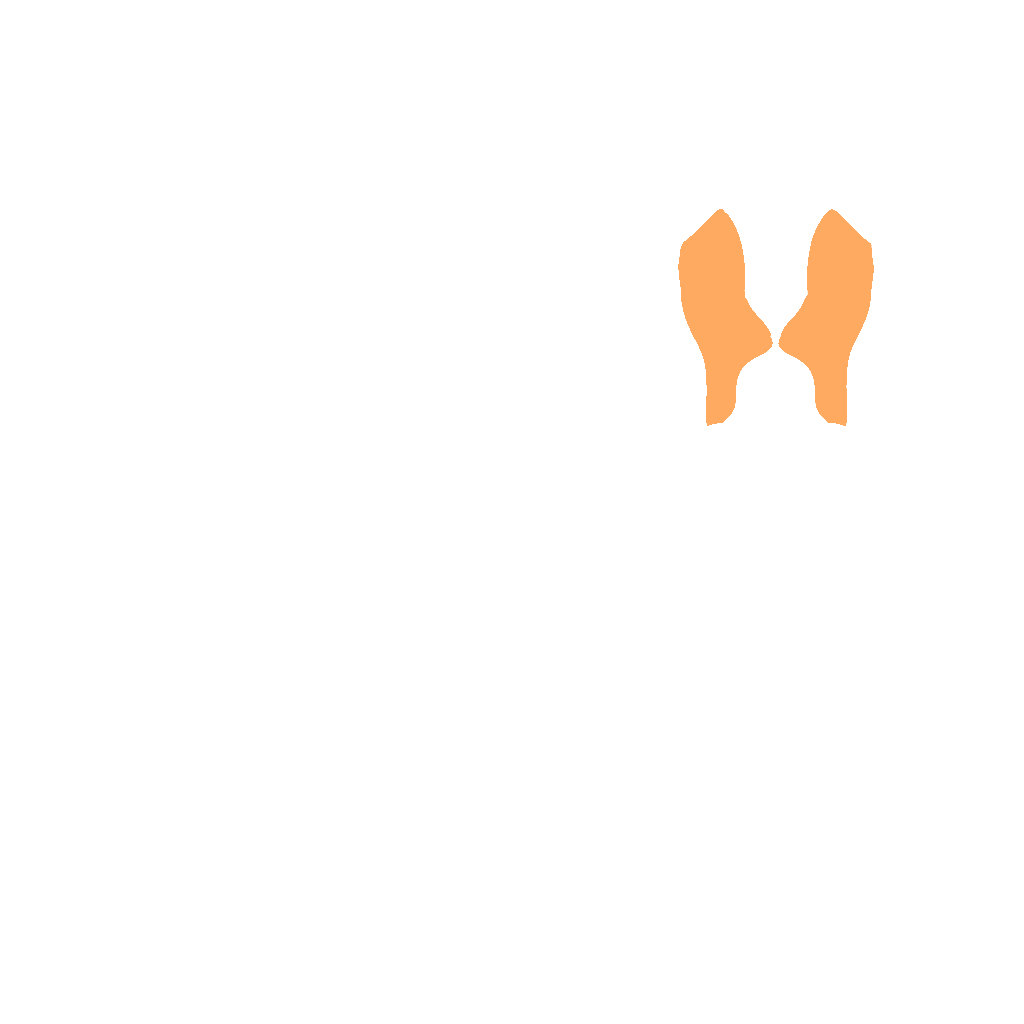
- Upper Rectus Abdominals, Lower Rectus Abdominals
- Browse by movement
- Core Brace






- Target
- Upper Rectus Abdominals, Lower Rectus Abdominals
- Secondary
- Abdominal External Oblique, Latissimus Dorsi
- Tertiary
- Erector Spinae
How to do it
- 1
Load a barbell with plates that roll and stand behind it with feet hip-width.
- 2
Hinge down and grip the bar with hands about shoulder-width apart.
- 3
Brace the abs hard and set the ribs down before you move.
- 4
Roll the bar forward, letting the body lower toward the floor under tight control.
- 5
Extend only as far as you can keep the hips from sagging and the back from arching.
- 6
Pull the bar back with the abs and stand tall to finish the rep.
Tips
- Start with a very short range and add distance only as strength allows.
- Keep the glutes and quads locked so the body stays in one rigid line.
- If the low back arches or the hips drop, you have gone past your safe range.
Variations
Common mistakes
- The knees bend as the bar rolls away, which lets the legs quietly take over stability that the abs are supposed to control alone.
- Chasing a longer reach before the body can hold one straight line turns the lower into a slow back bend instead of a controlled rollout.
- Rushing the pull back to standing yanks through the low back before the abs finish decelerating the roll-out.
- The hinge collapses into a forward bend at the waist, so the movement turns into a toe-touch instead of a straight-line lower.
- The shoulders round forward as the hands near the floor, which shifts the strain off the abs and onto the shoulder joints.
Frequently asked
- What is a sensible starting dose for the standing barbell rollout, and what should you own first?
- This belongs to lifters who already own a full standing ab-wheel rollout; build the wheel version first if you don't. Once you do, start with 2 to 3 sets of 2 to 3 reps at a short range, adding distance in small amounts across weeks, not within a single session.
- What can you do instead of the standing barbell rollout if you don't have a barbell and bumper plates?
- A standing ab-wheel rollout trains the identical pattern without needing a bar loaded with plates that roll. If the standing version is too much either way, drop back to a kneeling barbell or ab-wheel rollout, which loads the same muscles over a shorter, safer lever.
- What is the standing barbell rollout good for, and when should you skip it?
- It is one of the hardest anti-extension core exercises available, useful for advanced lifters who want more challenge than the kneeling version offers. Skip it if you have not mastered a full standing ab-wheel rollout, if you have any low back sensitivity, or as an early core movement before years of ab-wheel training.
Related exercises
Other movements among FitRay's 2,000+ exercises that load the same target muscle — same equipment and level first.