Kettlebell Swing
The kettlebell swing is the most accessible power lift there is, teaching an explosive hip snap that transfers to jumping, sprinting, and every heavy pull. It trains the glutes and hamstrings ballistically while doubling as brutal conditioning. Learn the hinge first, then let the hips, not the arms, throw the bell to chest height.
- Equipment
- Kettlebells
- Type
- Functional, Strength
- Browse by muscle
- Gluteus Maximus, Biceps Femoris, Erector Spinae, Semitendinosus
- Browse by movement
- Hinge



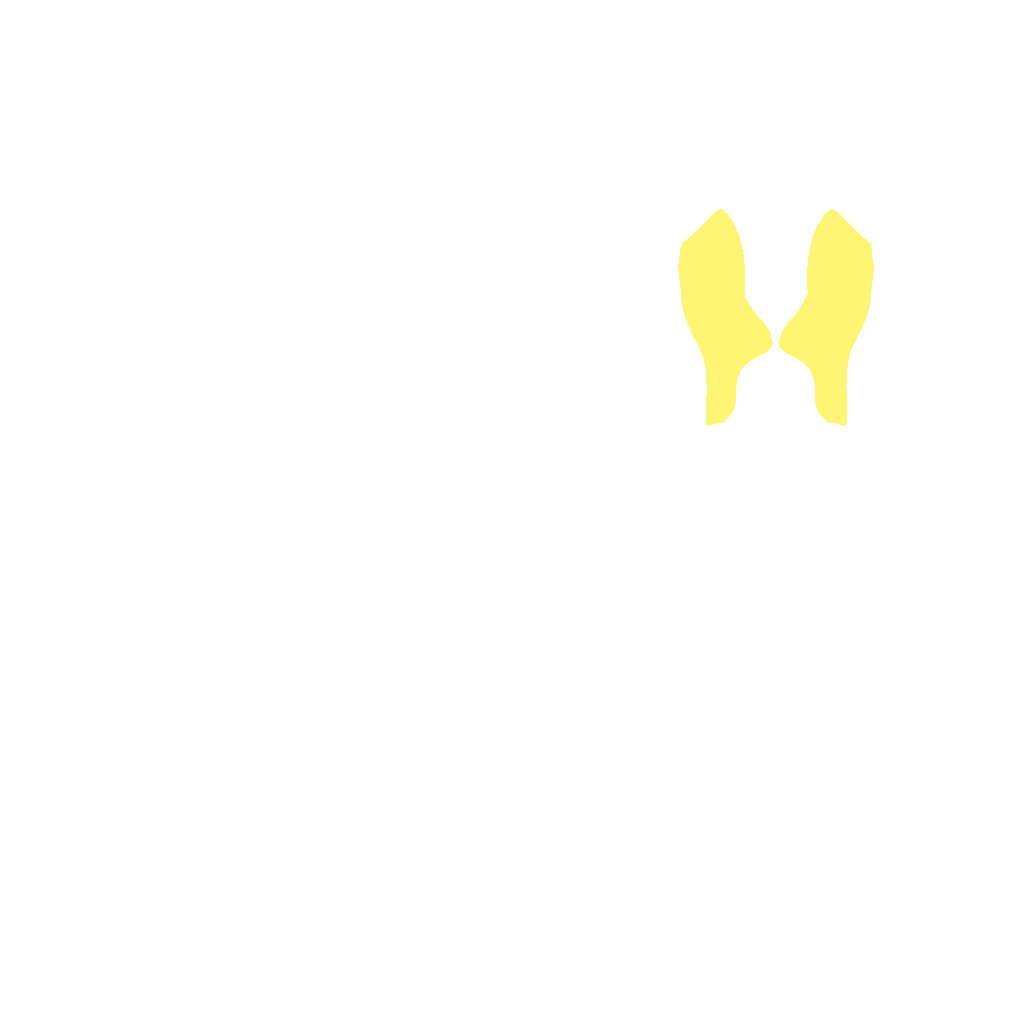









- Target
- Gluteus Maximus, Biceps Femoris, Erector Spinae, Semitendinosus
- Secondary
- Vastus Lateralis, Rectus Femoris, Deltoid Anterior
- Tertiary
- Abdominal External Oblique, Latissimus Dorsi, Trapezius Upper
How to do it
- 1
Stand with feet shoulder-width, kettlebell a foot in front of you on the floor.
- 2
Hinge at the hips, grip the handle with both hands, and hike the bell back between the legs.
- 3
Snap the hips forward hard, squeezing the glutes to float the bell up to chest height.
- 4
Let the arms stay long and relaxed; the bell rises on hip drive, not a lift.
- 5
Guide the bell back down as it descends, hinging to load the hips for the next rep.
- 6
Keep a braced neutral spine throughout and breathe out sharply at the top.
Tips
- Drive the hips, not the shoulders; the arms are ropes attaching the bell to your hips.
- Snap the glutes to a hard standing plank at the top, not a lean-back.
- Hike the bell high in the crotch on the backswing to protect the low back.
Variations
Common mistakes
- Squatting the swing instead of hinging, so the knees bend deep and the bell's path drifts forward instead of the bell floating from a hip snap.
- Muscling the bell up with the shoulders and arms, which turns an explosive hip drive into a slow front raise and stalls the bell below chest height.
- Rounding the low back on the hike-back instead of keeping the brace, since the spine takes the load the hips are supposed to absorb.
- Leaning back and hyperextending the lumbar spine at the top to add height, rather than finishing with a hard glute squeeze at a tall standing plank.
- Letting the bell float too high toward the face on light sets, past chest height, which drags the shoulders forward and out of position.
Frequently asked
- How many sets and reps of the kettlebell swing should you do when you are new to the exercise?
- Start with 3 sets of 10 to 12 reps once you can hinge cleanly with an empty hip snap, resting 60 to 90 seconds between sets. Once the pattern is automatic and the bell floats to chest height with relaxed arms, add reps toward 15 to 20 per set before you add weight to the bell.
- What can I do instead of the kettlebell swing if I have no kettlebell?
- A single dumbbell held vertically with both hands under the top plate reproduces the same hinge-and-snap pattern almost exactly. With no weight at all, a broad jump or a banded hip thrust trains the same explosive hip extension without needing anything to hold.
- What is the kettlebell swing actually good for?
- It builds explosive hip power and posterior-chain conditioning that carries over to jumping, sprinting, and heavy pulls, and it doubles as a demanding cardio tool in longer sets. It is a poor choice if you cannot yet hinge with a flat back under load, or during a low-back flare-up, since the ballistic load amplifies any rounding in the spine.
Related exercises
Other movements among FitRay's 2,000+ exercises that load the same target muscle — same equipment and level first.
- IntermediateKettlebell Clean and PressKettlebells · Glutes · Shoulder
- IntermediateKettlebell Clean-Squat-Press FlowKettlebells · Quads · Shoulder
- IntermediateAmerican Kettlebell SwingKettlebells · Glutes · Hamstring
- IntermediateDead-Stop Kettlebell SwingKettlebells · Glutes · Hamstring
- IntermediateHand-to-Hand Kettlebell SwingKettlebells · Glutes · Hamstring
- IntermediateKettlebell CleanKettlebells · Glutes · Hamstring