Ring Rollout
Performed on rings or suspension straps set low, the ring rollout adds a nasty stability challenge to the anti-extension pattern. The hands can drift and wobble, so the core and shoulders must brace hard just to keep the path clean while the rectus resists extension. Adjust difficulty simply by walking the feet closer for less load or farther for more.
- Body part
- Abs
- Type
- Functional, Strength
- Browse by muscle
- Upper Rectus Abdominals, Lower Rectus Abdominals
- Browse by movement
- Core Brace






- Target
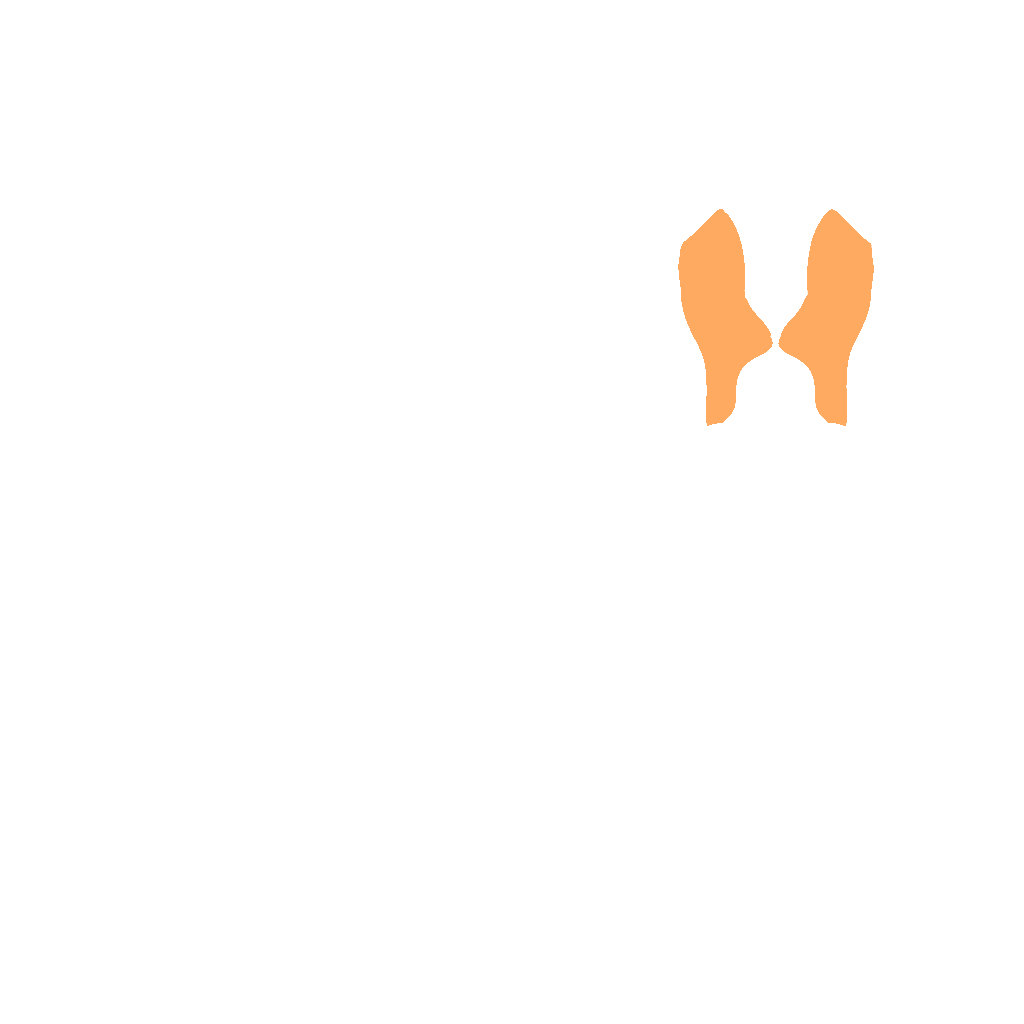
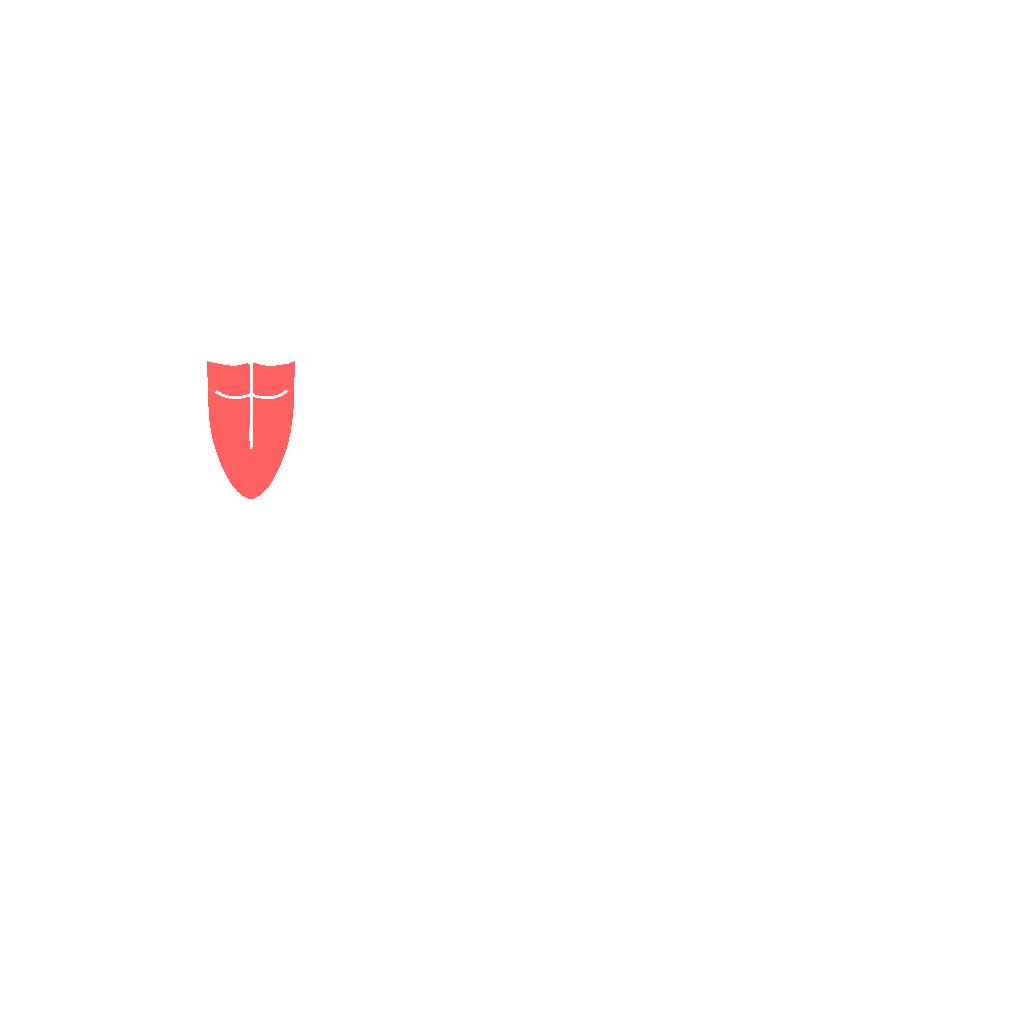
- Upper Rectus Abdominals, Lower Rectus Abdominals
- Secondary
- Abdominal External Oblique, Latissimus Dorsi
- Tertiary
- Erector Spinae, Deltoid Anterior
How to do it
- 1
Set rings or straps to hang just above the floor and grip one in each hand.
- 2
Kneel or set your feet back into a braced plank position over the handles.
- 3
Tuck the ribs down, squeeze the glutes, and lock the core tight.
- 4
Roll or reach the hands forward, extending the arms overhead under control.
- 5
Reach your deepest braced position without the hips sagging.
- 6
Pull the handles back beneath you using the abs, and repeat.
Tips
- Press the rings down and slightly together to steady the wobble.
- Walk your base closer to shorten the lever if the full range collapses your brace.
- Keep the neck long and the shoulders active throughout the reach.
Variations
Common mistakes
- The hands drift apart as the rings wobble, turning the rollout into a shoulder-stability fight instead of a core anti-extension drill.
- Feet set too far back for the current strength level force the hips to sag long before the arms reach full extension.
- The elbows lock out straight while the shoulders shrug toward the ears, trading ring instability for shoulder strain instead of core work.
- Once the wobble gets hard to control, walking the feet in shortens the lever; reaching for full extension anyway just trains a worse rep.
- The neck cranes forward to watch the hands, pulling the head out of line and making the wobble harder to control.
Frequently asked
- What is a sensible starting dose for the ring rollout, and what should you own first?
- Own a controlled TRX suspended plank and a comfortable kneeling ab-wheel or barbell rollout before trying this. Start with the feet walked in close for 2 to 3 sets of 5 to 6 reps, and only walk the feet back to increase the lever once the hips stop sagging on the current setting.
- What can you do instead of the ring rollout if you don't have rings or a suspension trainer?
- A kneeling ab-wheel or barbell rollout trains the same anti-extension pattern on a stable, predictable path instead of a wobbling one. If you want to keep some instability without rings, a stability ball rollout works as a middle-ground option.
- What is the ring rollout good for, and when should you skip it?
- It builds core and shoulder stability against an unstable load, with an easy built-in regression of walking the feet closer when it gets too hard. Skip it if you can't yet hold a steady TRX or floor plank, if your wrists or shoulders hurt when gripping the rings, or as an early-session move before they are warm.
Related exercises
Other movements among FitRay's 2,000+ exercises that load the same target muscle — same equipment and level first.