Kettlebell Bottoms-Up Clean-to-Press Flow
Holding the bell inverted turns a clean and press into a grip and shoulder-stability challenge, since the load wants to tip in every direction. The forearm crushes the handle while the rotator cuff and deltoid fight to keep the bell balanced through the press. Light loads and total focus make this a superb shoulder-health and grip builder.
- Equipment
- Kettlebells
- Type
- Balance, Functional
- Browse by muscle
- Deltoid Anterior, Deltoid Middle, Brachioradialis
- Browse by movement
- Hinge, Vertical Press







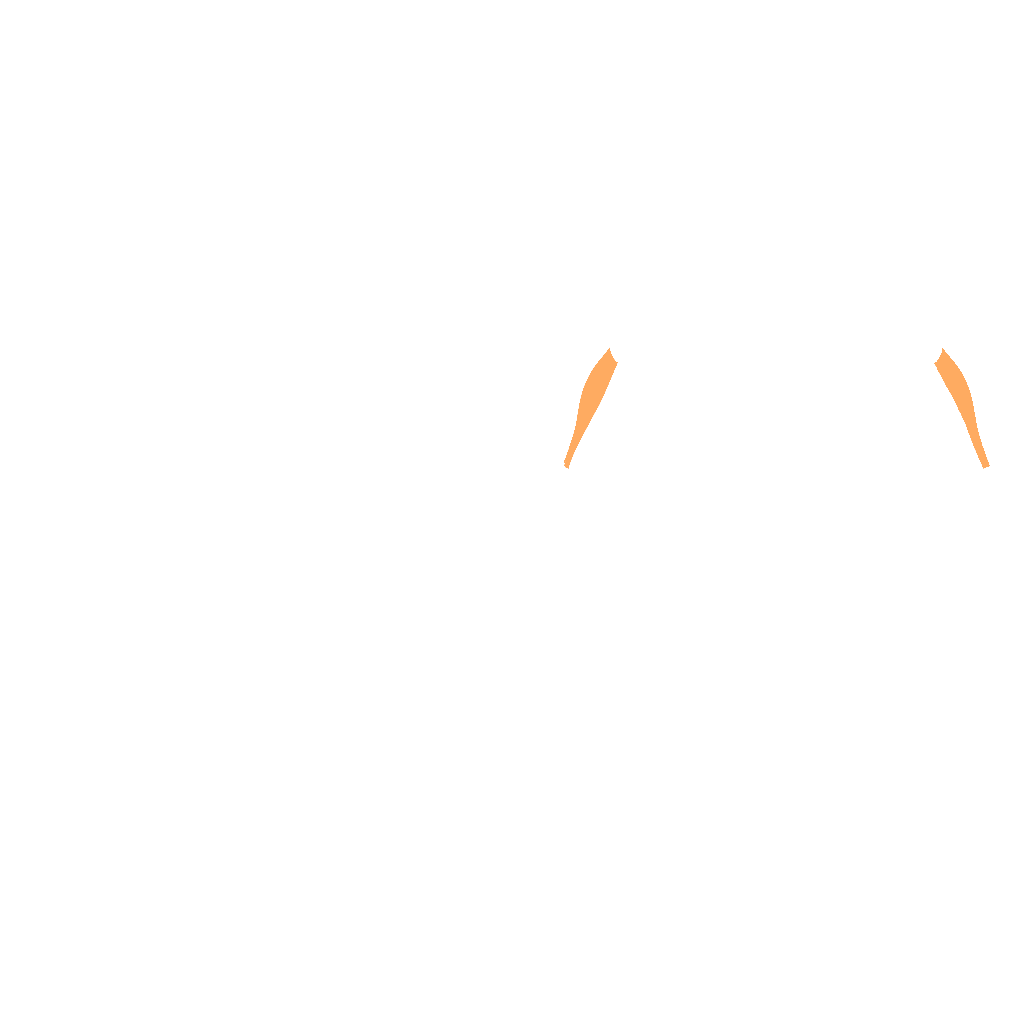




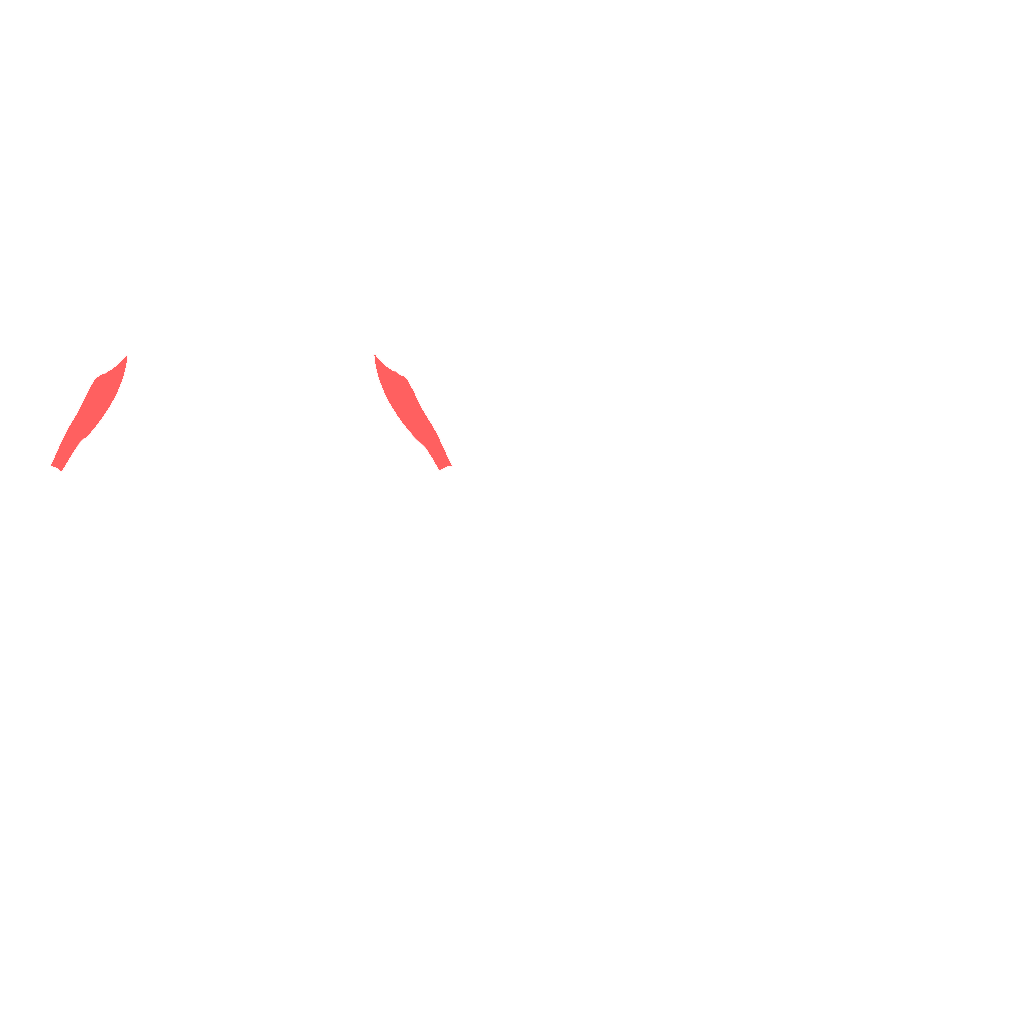
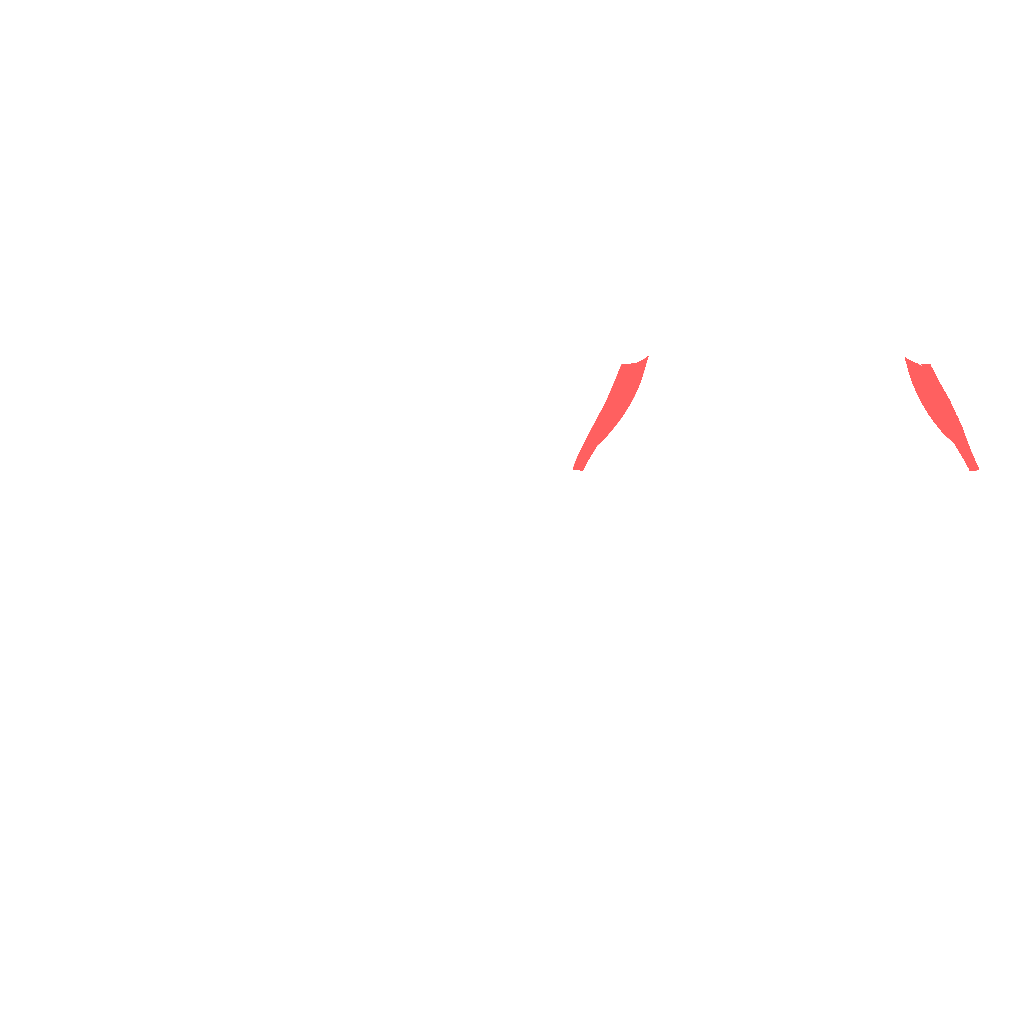
- Target
- Deltoid Anterior, Deltoid Middle, Brachioradialis
- Secondary
- Extensors, Abdominal External Oblique, Triceps Brachii Long Head
- Tertiary
- Extensor Carpi Ulnaris, Trapezius Upper, Infraspinatus, Deltoid Posterior
How to do it
- 1
Clean the kettlebell so it finishes upside down with the bell balanced above your fist in the rack.
- 2
Crush the handle and stack your wrist directly under the bell.
- 3
Brace your trunk and press the bell straight overhead, keeping it balanced the whole way.
- 4
Lock out with the wrist neutral and the bell stacked over the shoulder.
- 5
Lower under control back to the bottoms-up rack without letting the bell tip.
- 6
Complete the reps, then switch hands.
Tips
- Grip the handle as hard as you can; a firm crush grip is what keeps the bell upright.
- Keep the wrist perfectly straight and the elbow under the bell through the whole press.
- Press slowly and with intent; jerky reps let the bell tip and fall.
- Choose a light bell; this is a stability drill, not a max-load press.
Variations
Common mistakes
- The wrist cocks sideways the instant the bell goes bottoms-up, and a bell balanced on a bent wrist tips before the press even starts.
- Pressing in jerky stops and starts lets the bell wobble off its balance point; keep the press slow and smooth.
- The elbow flares out from under the bell during the press, which is exactly the angle a top-heavy inverted bell will fall toward.
- An overly aggressive clean snaps the bell past bottoms-up into a normal rack, defeating the point of the drill before the press even begins.
- Eyes that drift off the bell mid-lockout miss the first sign of a tip until it's too late to correct.
Frequently asked
- What's a good starting dose for the kettlebell bottoms-up clean-to-press flow?
- Own a controlled bottoms-up hold before adding the clean and press to it. Start with 2 to 3 sets of 3 to 4 reps per side using a bell far lighter than your normal press weight, resting enough between reps that every rep starts from a dead-stable rack. Add reps before you ever add weight; this drill rewards control, not load.
- Can I do the bottoms-up clean-to-press without a kettlebell?
- No, a dumbbell or barbell can't replicate balancing an inverted load on a single point, so there's no real substitute. If you don't have a kettlebell, practice regular presses to build shoulder strength and add this drill once you get access to one, even a single light bell shared between sessions.
- Who benefits from the bottoms-up clean-to-press flow, and who should skip it?
- It's a shoulder-stability and crush-grip builder for lifters who already press comfortably and want to bulletproof the shoulder joint, not a way to build pressing strength or size. Skip it with any current wrist pain, since holding a bell balanced on end places continuous demand on that joint.
Related exercises
Other movements among FitRay's 2,000+ exercises that load the same target muscle — same equipment and level first.
- AdvancedKettlebell Armor-Building ComplexKettlebells · Quads · Shoulder
- AdvancedBottoms-Up Kettlebell PressKettlebells · Shoulder
- AdvancedDouble Kettlebell Push PressKettlebells · Shoulder
- AdvancedDouble-Kettlebell PressKettlebells · Shoulder
- AdvancedHalf-Kneeling Kettlebell Bottoms-Up PressKettlebells · Shoulder
- AdvancedKettlebell Bent PressKettlebells · Abs · Shoulder