Kettlebell Bent Press
The bent press is less a shoulder lift than a full-body screw-down; you fix the bell in the rack and lower your body under it by side-bending and hinging while the arm slowly locks out. It builds tremendous overhead strength, oblique control, and hip mobility, which is why old-time strongmen used it for their heaviest one-hand presses. Reserve it for experienced lifters with a solid overhead position, and groove it light before loading it hard.
- Equipment
- Kettlebells
- Type
- Strength
- Browse by muscle
- Deltoid Anterior, Deltoid Middle, Abdominal External Oblique
- Browse by movement
- Hinge, Rotation, Vertical Press


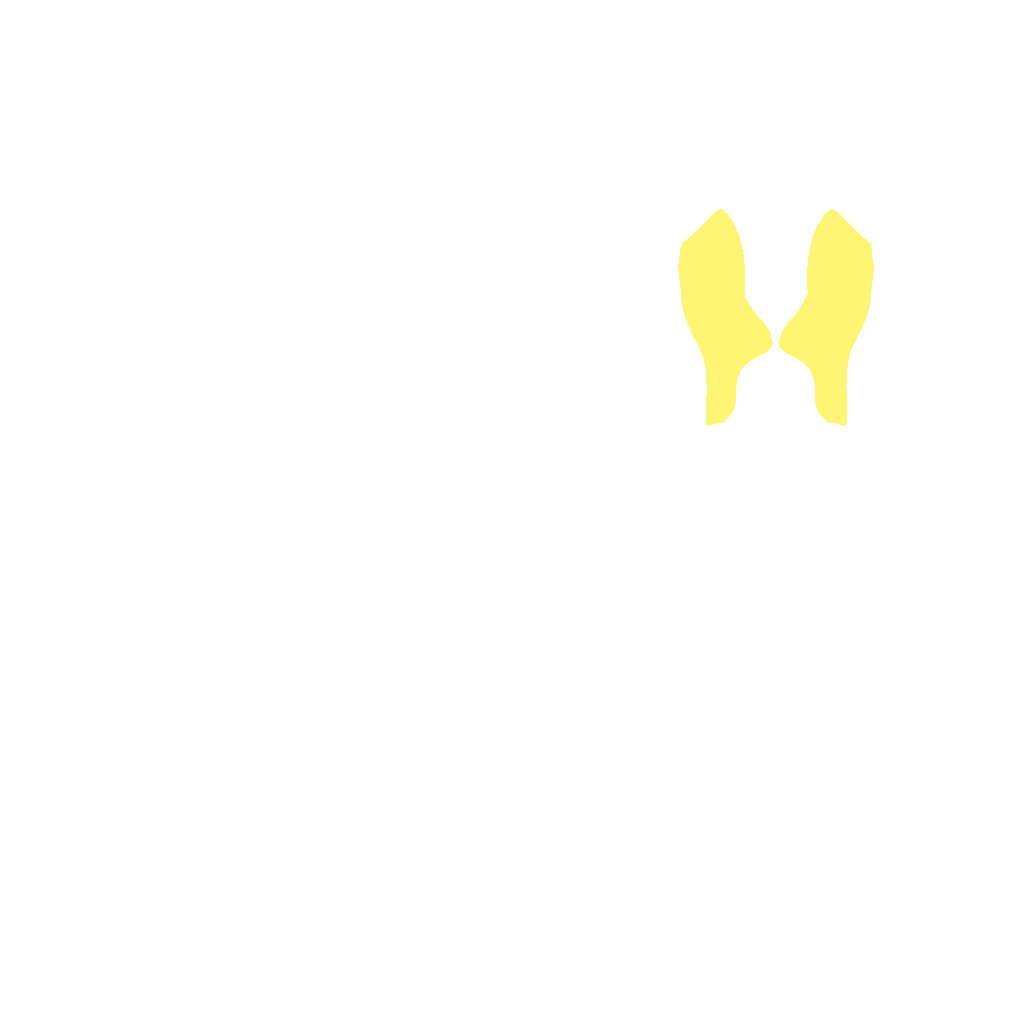
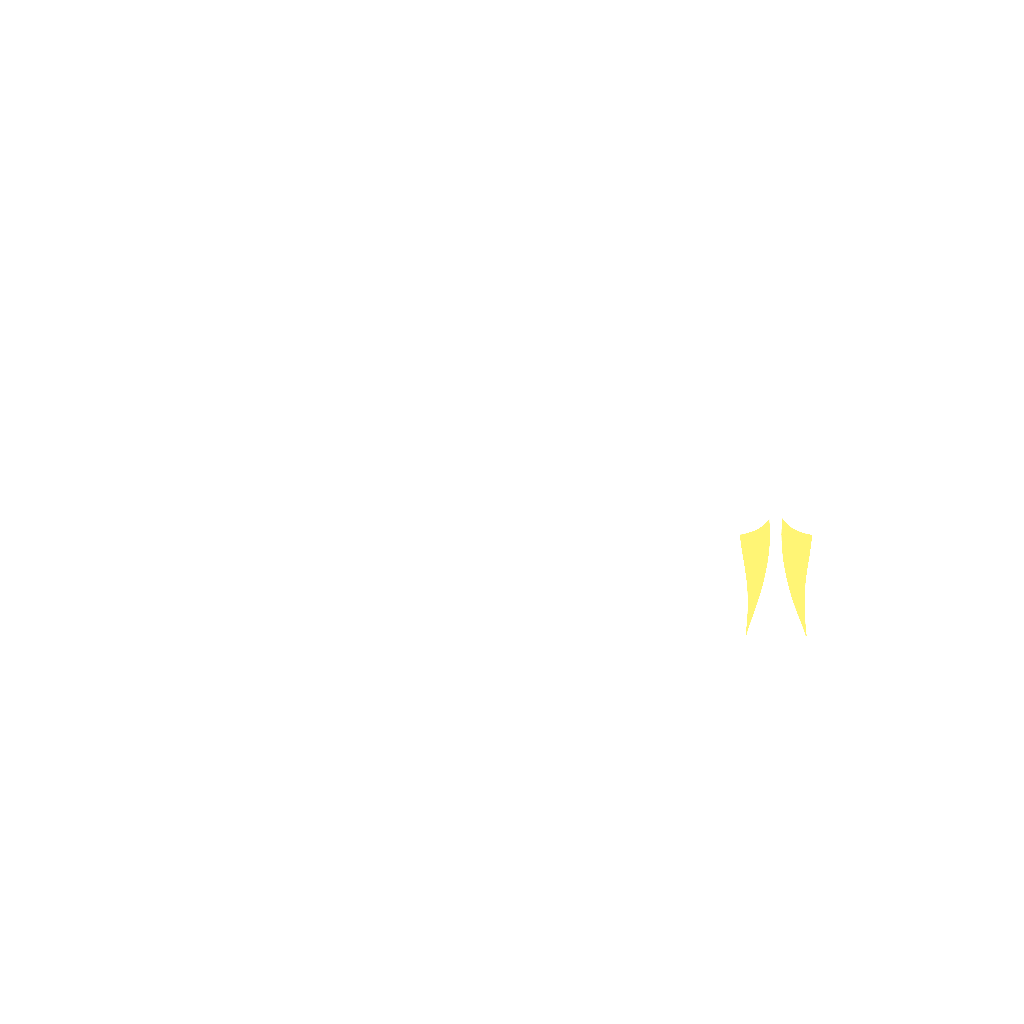
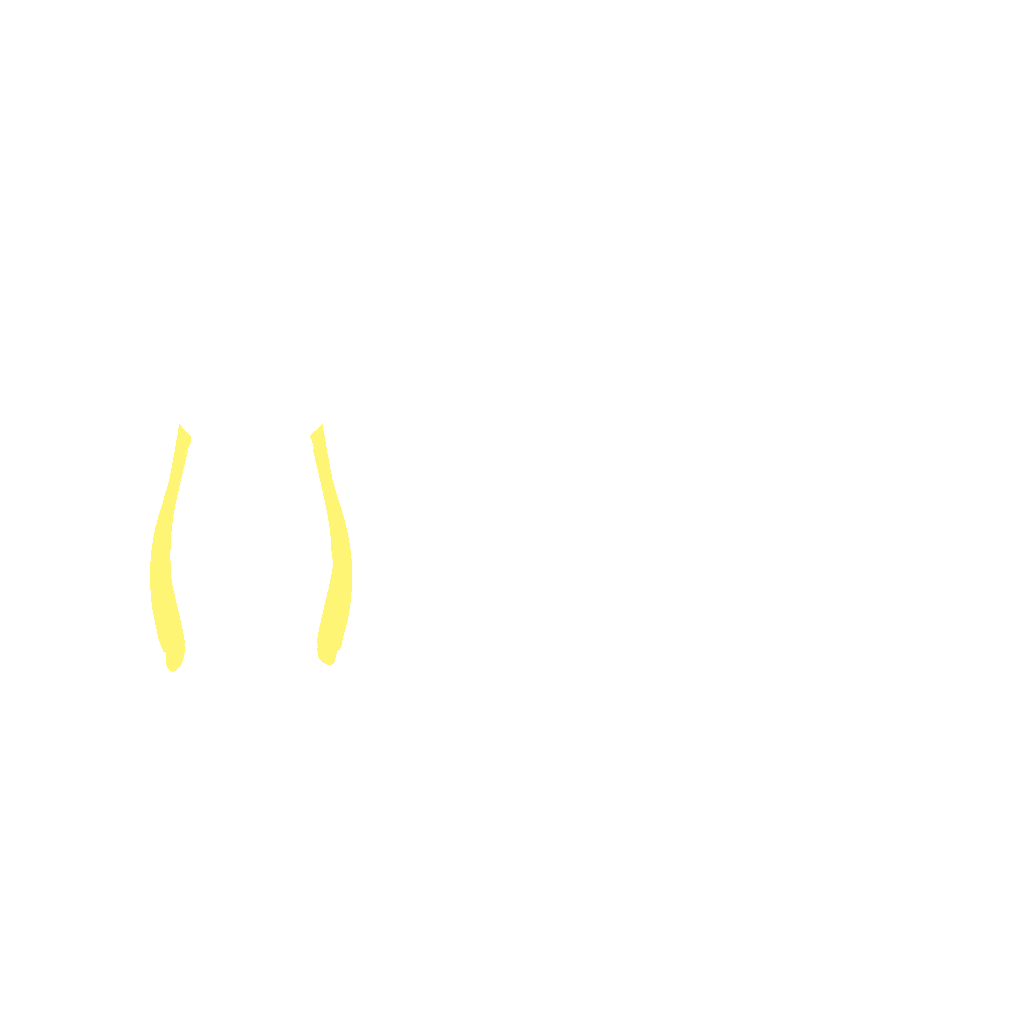

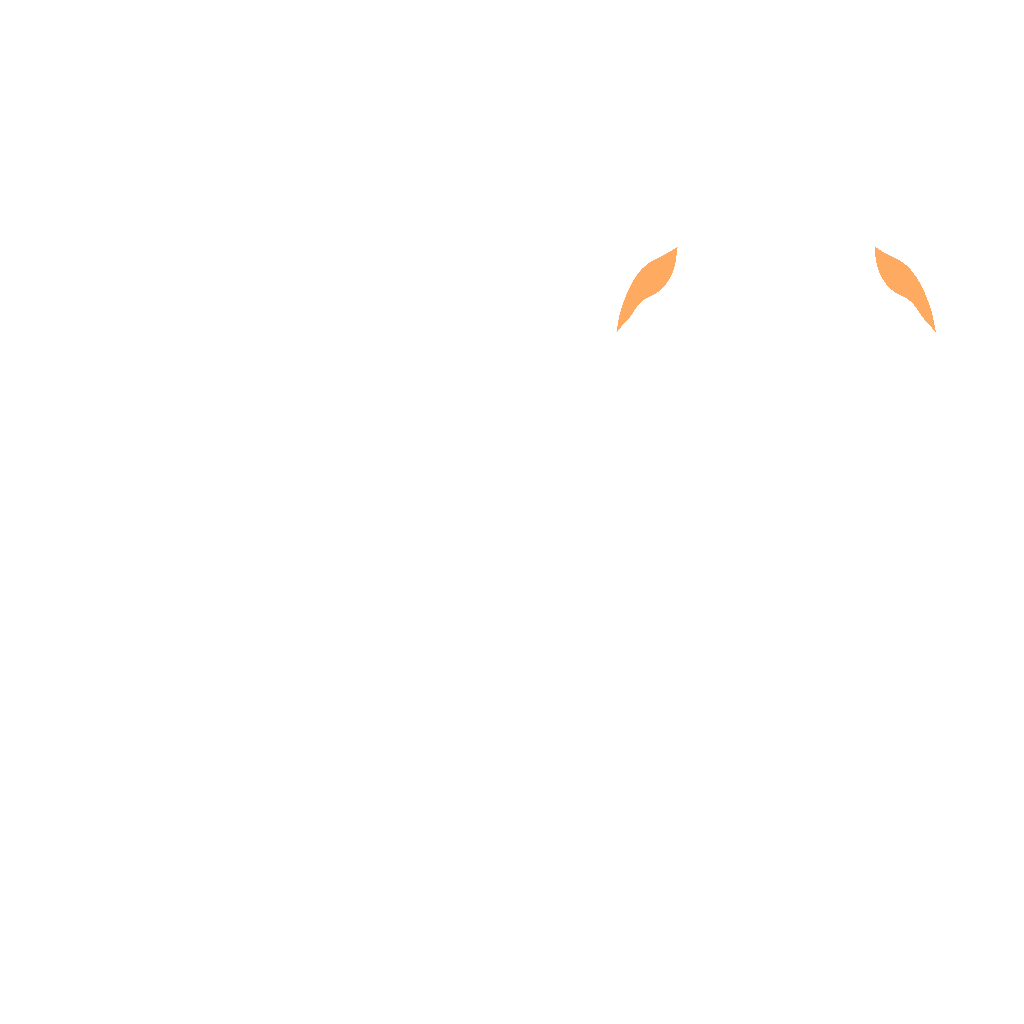




- Target
- Deltoid Anterior, Deltoid Middle, Abdominal External Oblique
- Secondary
- Triceps Brachii Long Head, Triceps Brachii Lateral Head, Erector Spinae, Gluteus Maximus
- Tertiary
- Latissimus Dorsi, Adductor Magnus, Vastus Lateralis
How to do it
- 1
Clean a kettlebell to the rack on one shoulder with the palm facing in.
- 2
Set your feet wider than the shoulders and turn them slightly away from the loaded side.
- 3
Brace the trunk and begin pressing the bell as you side-bend away from it.
- 4
Keep the pressing arm relatively still and lower your torso under the bell by hinging and twisting.
- 5
Reach a full elbow lockout with the bell stacked over the shoulder and the free hand near the floor.
- 6
Fix your eyes on the bell and stand tall by extending the hips and trunk to finish.
Tips
- Think about moving your body under the bell, not muscling the bell up with the arm alone.
- Keep the working shoulder packed down and the wrist stacked straight throughout the grind.
- Master the kettlebell windmill first so the side-bend pattern is already familiar.
Variations
Common mistakes
- Bending straight out to the side instead of hinging back and rotating slightly, which puts the load into the lower back rather than the hip.
- Dropping your eyes to the floor as the torso lowers lets the bell drift forward of the shoulder, and a controlled grind becomes a save.
- Standing back up by pulling with the loaded arm. The arm stays locked and quiet; the hips and trunk are what bring you upright under the bell.
- Do not let the elbow soften at any point after lockout. Once the arm is straight it stays straight, and a bending elbow under a heavy bell is how a shoulder gets caught out of position.
- Choosing a bell you can barely strict press. The bent press eventually moves more than a press does, but only once the pattern is grooved, so start with a bell you could press five times cleanly.
Frequently asked
- How many reps of the kettlebell bent press should you do when you are new to the exercise?
- Treat it as skill practice rather than a rep exercise: five sets of two or three per side with a bell you could strict press five times, moving slowly enough that you could stop at any point in the descent. Ten to fifteen total reps per side in a session is plenty. Only after several weeks of the path feeling automatic should you add load, and even then keep the reps at singles and doubles.
- What can I do instead of the kettlebell bent press if I have no kettlebell?
- A single dumbbell runs the same pattern, though you lose the forearm rest a bell gives you. If the mobility for the full lift is not there yet, build it with the kettlebell windmill and the Turkish get-up, which teach the same side bend under a loaded arm with far less to go wrong. An overhead band hold plus loaded side bends covers the pieces separately.
- What is the kettlebell bent press for, and who should not do it?
- It builds overhead strength, oblique control and hip mobility at once, and it is how old-time lifters moved their heaviest one-hand loads. It suits experienced lifters with a clean overhead position and a solid windmill. Do not do it if you cannot lock a bell overhead comfortably with the shoulder packed down, or if your lower back objects to loaded side bending. If what you actually want is a straightforward shoulder builder, a strict press does more with far less to learn.
Related exercises
Other movements among FitRay's 2,000+ exercises that load the same target muscle — same equipment and level first.
- AdvancedKettlebell Armor-Building ComplexKettlebells · Quads · Shoulder
- AdvancedTurkish Get-UpKettlebells · Abs · Shoulder
- AdvancedBottoms-Up Kettlebell PressKettlebells · Shoulder
- AdvancedDouble Kettlebell Push PressKettlebells · Shoulder
- AdvancedDouble-Kettlebell PressKettlebells · Shoulder
- AdvancedHalf-Kneeling Kettlebell Bottoms-Up PressKettlebells · Shoulder