Kettlebell Flip-and-Catch
The flip-and-catch trains fast hands, wrist and grip resilience, and shoulder stability under a moving load. Coordination and timing matter far more than weight here, so start light and master the catch before adding force. It is a fun power-endurance and grip finisher for experienced kettlebell athletes.
- Equipment
- Kettlebells
- Type
- Balance, Functional
- Browse by muscle
- Deltoid Anterior, Deltoid Middle, Brachioradialis


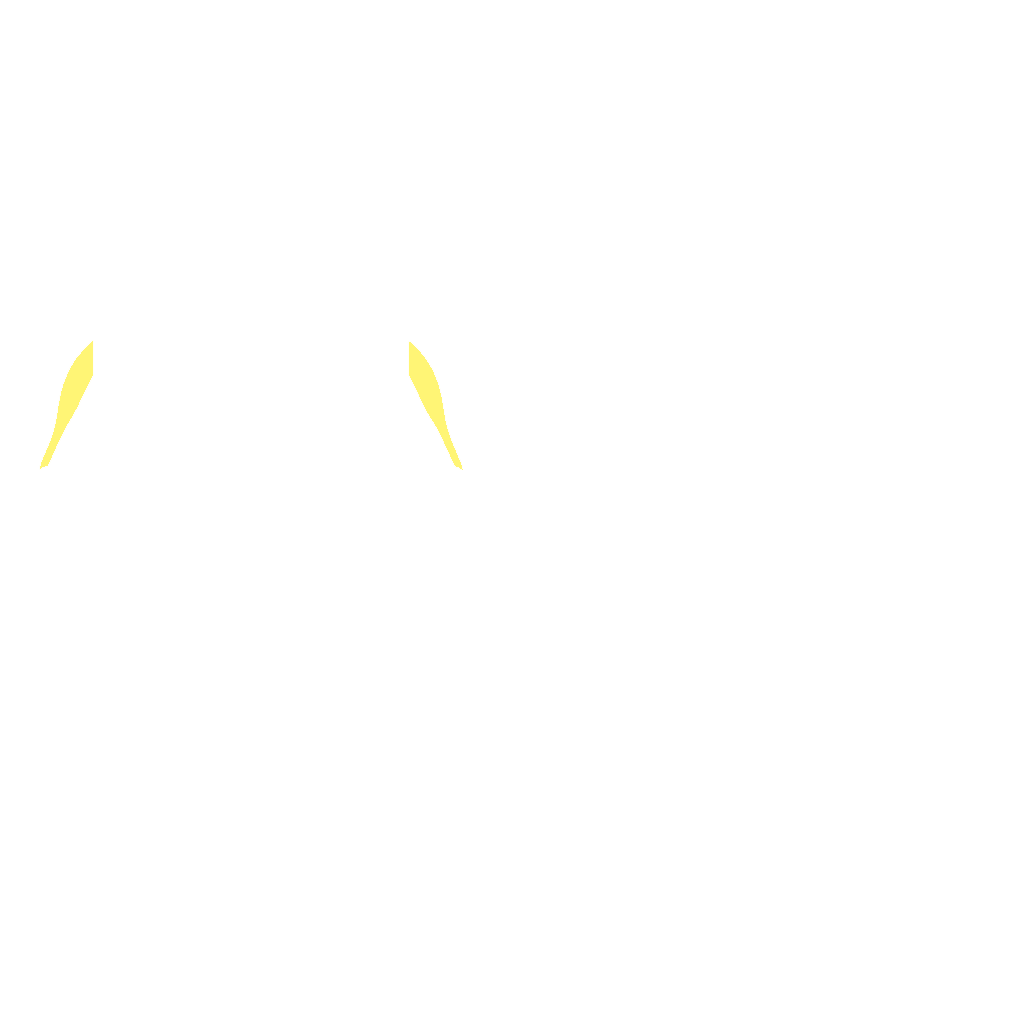




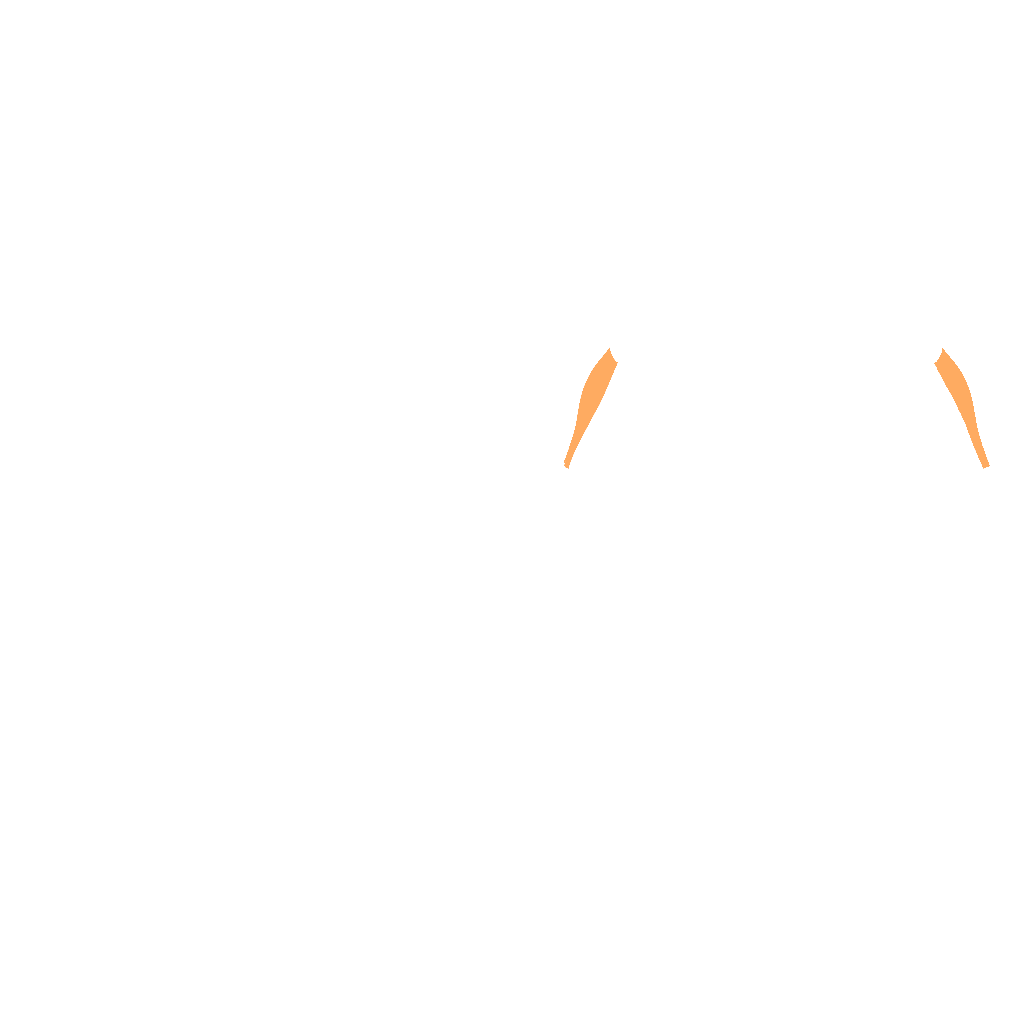



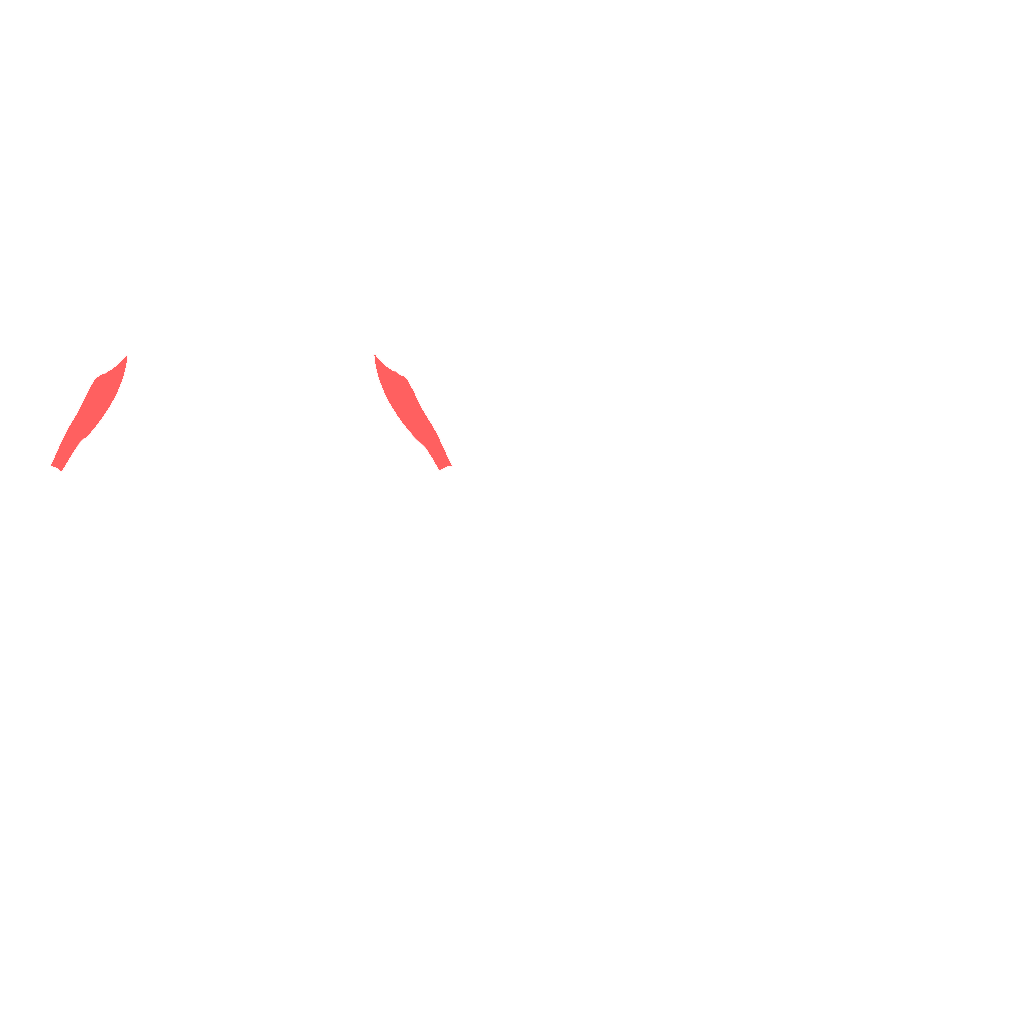
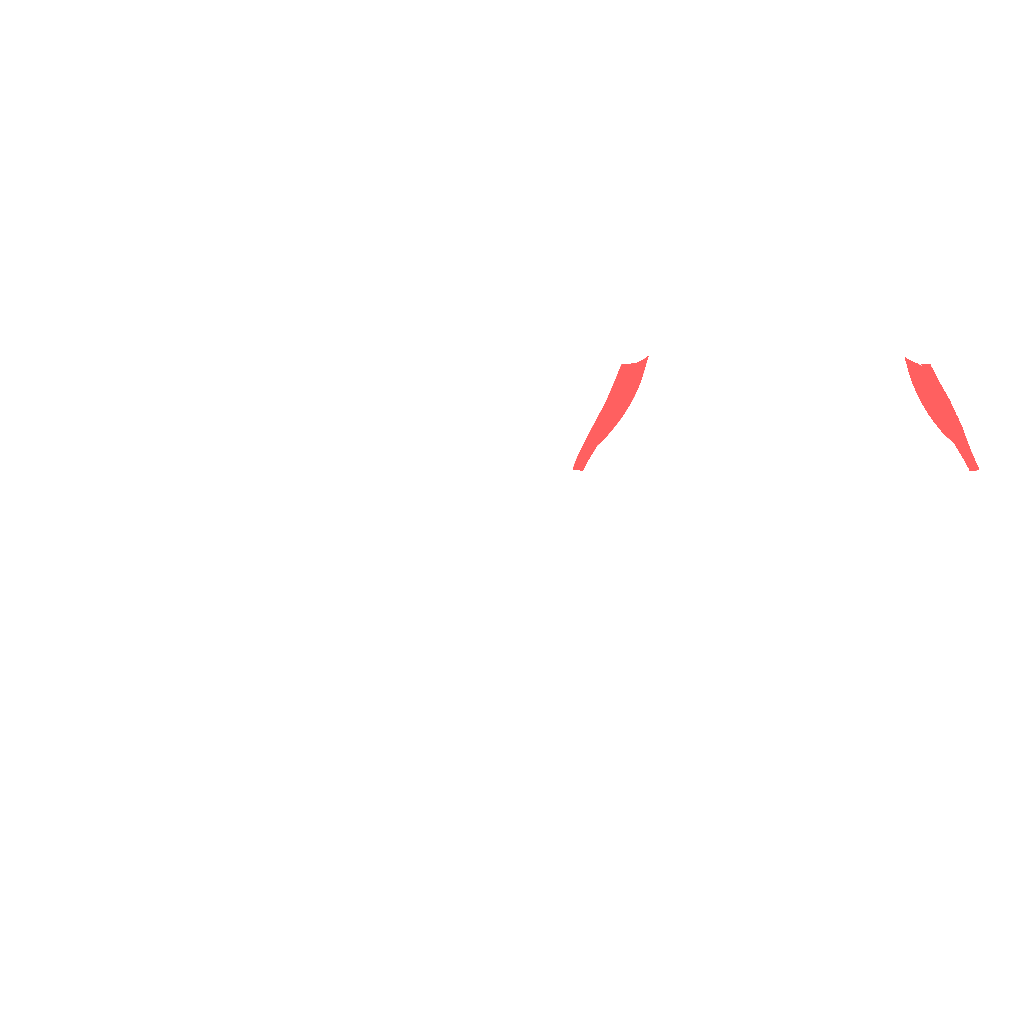
- Target
- Deltoid Anterior, Deltoid Middle, Brachioradialis
- Secondary
- Deltoid Posterior, Extensors, Abdominal External Oblique
- Tertiary
- Extensor Carpi Ulnaris, Trapezius Upper, Biceps Brachii Long Head
How to do it
- 1
Hold a light kettlebell by the handle in front of your hips with a soft knee bend.
- 2
Give a short upward pop from the shoulder and forearm so the bell rotates a half turn in the air.
- 3
Track the handle with your eyes as the bell flips over.
- 4
Catch the handle with the same hand, letting the elbow and knees give slightly to absorb the load.
- 5
Reset to the start position and repeat, keeping every toss low and controlled.
- 6
Switch hands after a set number of clean catches.
Tips
- Use a light bell first; a mistimed catch on a heavy bell strains the wrist and fingers.
- Absorb the catch by softening the elbow and sinking the knees rather than snatching it rigidly.
- Keep the toss height low and consistent so the rotation is predictable.
- Do this over a soft or forgiving surface in case you need to bail.
Variations
Common mistakes
- Eyes drift off the handle mid-flip instead of tracking it the whole way, turning the catch into a guess instead of a timed grab.
- Fingers alone reach for the handle on the catch instead of the whole hand wrapping around it, so a clean-looking catch can still slip through the grip.
- Extra height or a full spin gets added before a single half-turn flip is caught cleanly and consistently, stacking difficulty on a skill that isn't solid yet.
- The same hand keeps flipping well past the planned rep count instead of switching, leaving one wrist and forearm doing all the work.
Frequently asked
- What's a sensible starting dose for the kettlebell flip-and-catch, and what should I be able to do first?
- Start with five clean catches per hand using a very light kettlebell before counting any set at all, since timing matters more than volume here. You should already be comfortable and confident holding and swinging a kettlebell by the handle before adding a mid-air flip, since a shaky grip on the basics makes a mistimed catch much more likely.
- What can I use instead of a kettlebell for the flip-and-catch drill?
- There isn't a great substitute that keeps the same handle-and-bell timing challenge; a beanbag or soft grip trainer can mimic the toss and catch pattern without any real risk if you want to practice the motion first. If you don't own a kettlebell yet, spend that time on grip work like farmer's carries and heavy holds instead, since raw grip strength will make the eventual flip safer.
- What does the kettlebell flip-and-catch train, and when should I skip it?
- It builds fast-hand coordination and wrist and grip resilience under a moving load, which makes it a fun power-endurance finisher for lifters already comfortable handling kettlebells. Skip it if you have a current wrist, finger, or forearm injury, or if your kettlebell technique is still shaky, since a mistimed catch lands force right on the joints this drill is supposed to strengthen.
Related exercises
Other movements among FitRay's 2,000+ exercises that load the same target muscle — same equipment and level first.
- AdvancedKettlebell Armor-Building ComplexKettlebells · Quads · Shoulder
- AdvancedTurkish Get-UpKettlebells · Abs · Shoulder
- AdvancedBottoms-Up Kettlebell PressKettlebells · Shoulder
- AdvancedDouble Kettlebell Push PressKettlebells · Shoulder
- AdvancedDouble-Kettlebell PressKettlebells · Shoulder
- AdvancedHalf-Kneeling Kettlebell Bottoms-Up PressKettlebells · Shoulder