Turkish Get-Up
The Turkish get-up is a slow, deliberate journey from the floor to standing and back, all while keeping a kettlebell pressed overhead. It builds shoulder stability, rotational core control, and total-body coordination like few other movements. Learn the steps unloaded or with a light shoe balanced on the fist before adding real weight.
- Equipment
- Kettlebells
- Type
- Balance, Strength
- Browse by muscle
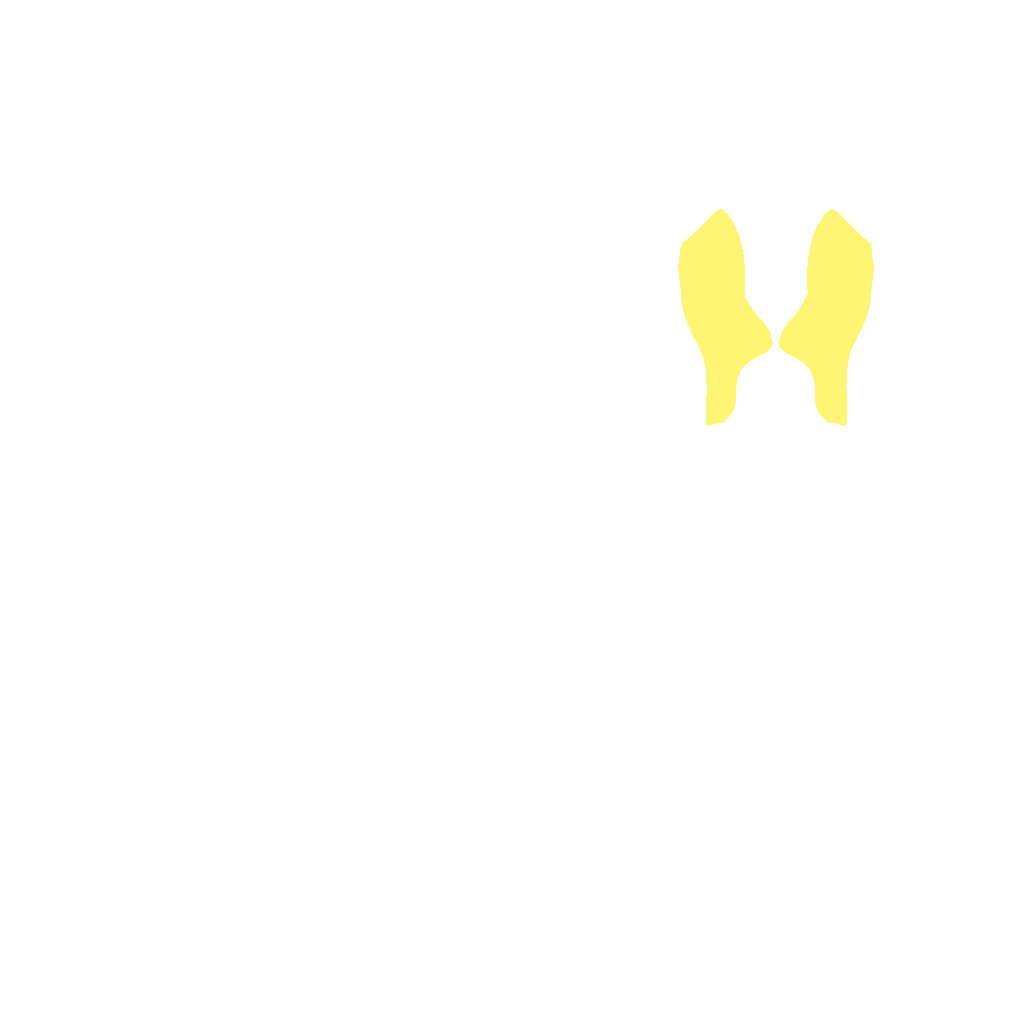
- Deltoid Anterior, Deltoid Middle, Abdominal External Oblique, Gluteus Maximus














- Target
- Deltoid Anterior, Deltoid Middle, Abdominal External Oblique, Gluteus Maximus
- Secondary
- Upper Rectus Abdominals, Triceps Brachii Long Head, Rectus Femoris, Vastus Lateralis, Erector Spinae
- Tertiary
- Trapezius Upper, Latissimus Dorsi, Gluteus Medius
How to do it
- 1
Lie on your back and press a kettlebell straight up with one arm, eyes on the bell.
- 2
Bend the same-side knee and plant that foot, extending the other arm out on the floor.
- 3
Roll onto the free forearm, then press up onto that hand.
- 4
Lift the hips and sweep the straight leg back into a half-kneeling position.
- 5
Lift the torso upright into a tall half-kneeling lunge, then stand up with the bell still locked overhead.
- 6
Reverse each step precisely to return to the floor, then switch sides.
Tips
- Keep the loaded arm vertical and the shoulder packed the entire time.
- Watch the bell through the early steps, then fix the eyes forward once standing.
- Move through each position slowly; the get-up rewards control, not speed.
Variations
Common mistakes
- Loading a kettlebell before grooving the sequence empty-handed or with a shoe balanced on the fist.
- Letting the loaded elbow bend or drift away from vertical during the roll to the elbow, which lets the bell wander off its stacked line over the shoulder.
- Losing the pack of the shoulder blade during the transition to the hand, letting the bell shrug up toward the ear.
- Sweeping the trailing leg through carelessly instead of keeping it close, risking a caught hip flexor or a loss of balance mid-transition.
- Standing up by leaning the torso forward out of the lunge instead of driving through the front heel to rise tall.
- Jumping to a heavy bell once the pattern feels smooth instead of adding load gradually once every step is clean on both sides.
Frequently asked
- How many reps of the Turkish get-up should you do when you are new to the exercise?
- Practice for quality, not fatigue: 3 to 5 total get-ups per side, resting fully between reps, since the movement rewards control far more than volume. Add reps only once every position is stable with an empty hand or light bell, before you add real weight.
- What can I use instead of a kettlebell for the Turkish get-up?
- A dumbbell trains the same sequence if that is what you have. While learning the pattern, a single shoe or a light book balanced on the fist, or even no load at all, works just as well for grooving the steps.
- What is the Turkish get-up good for, and who should avoid it?
- It builds overhead shoulder stability, rotational core control, and total-body coordination, useful as a skill drill, warm-up, or rehab tool. It is a poor choice with a current shoulder impingement when pressing overhead, or as a first exercise for a true beginner who has not built basic overhead and floor-to-stand strength.
Related exercises
Other movements among FitRay's 2,000+ exercises that load the same target muscle — same equipment and level first.
- AdvancedKettlebell Bent PressKettlebells · Abs · Shoulder
- AdvancedKettlebell Overhead Reverse LungeKettlebells · Glutes · Quads
- AdvancedKettlebell Snatch-to-Windmill FlowKettlebells · Abs · Shoulder
- AdvancedKettlebell Split JerkKettlebells · Quads · Shoulder
- AdvancedKettlebell WindmillKettlebells · Abs · Shoulder
- AdvancedKettlebell Windmill-to-Press FlowKettlebells · Abs · Shoulder