Kettlebell Hand-to-Hand Flip
Passing the bell from hand to hand with a mid-air flip trains reactive grip, hand speed, and shoulder stability on both sides. The catching hand must find the handle and absorb the load smoothly, building coordination that transfers to cleans and snatches. Keep the toss low, the bell light, and the focus sharp.
- Equipment
- Kettlebells
- Type
- Balance, Functional
- Browse by muscle
- Brachioradialis, Extensors, Deltoid Middle







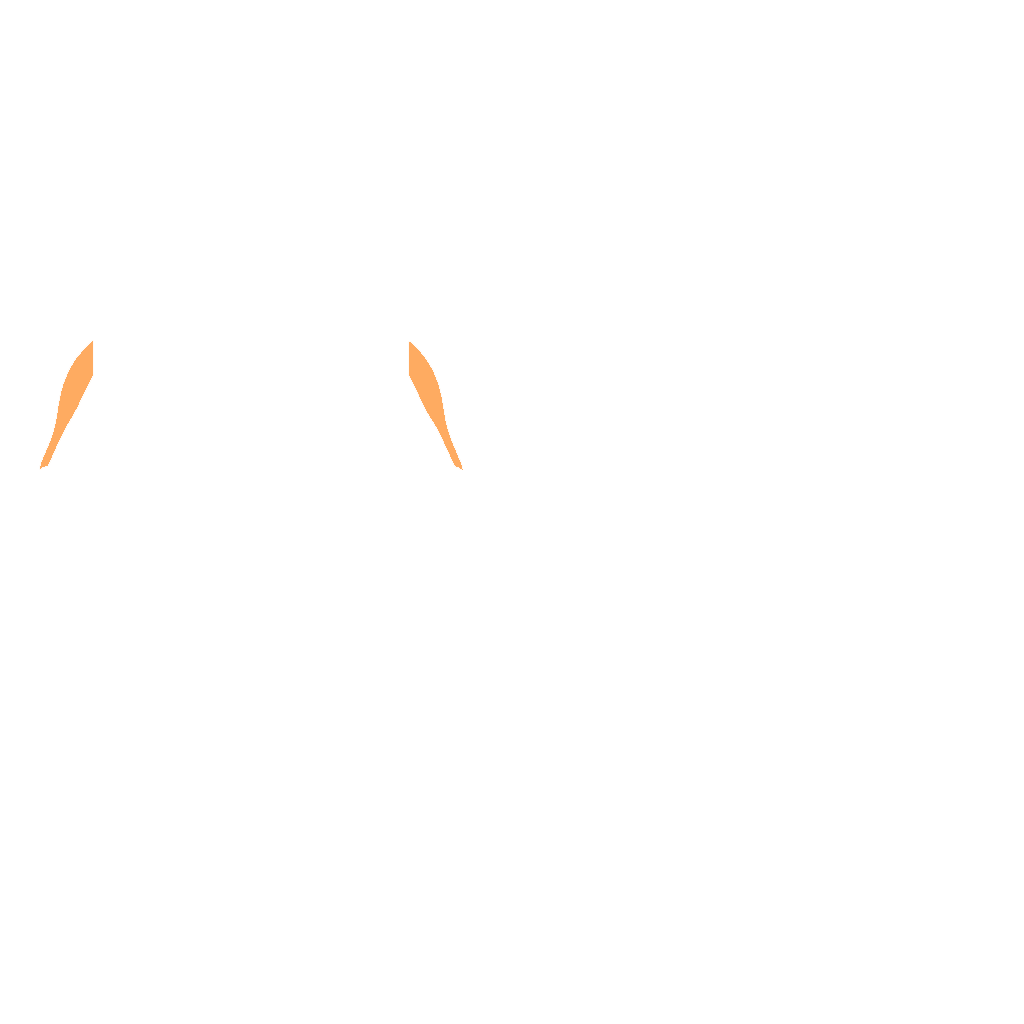

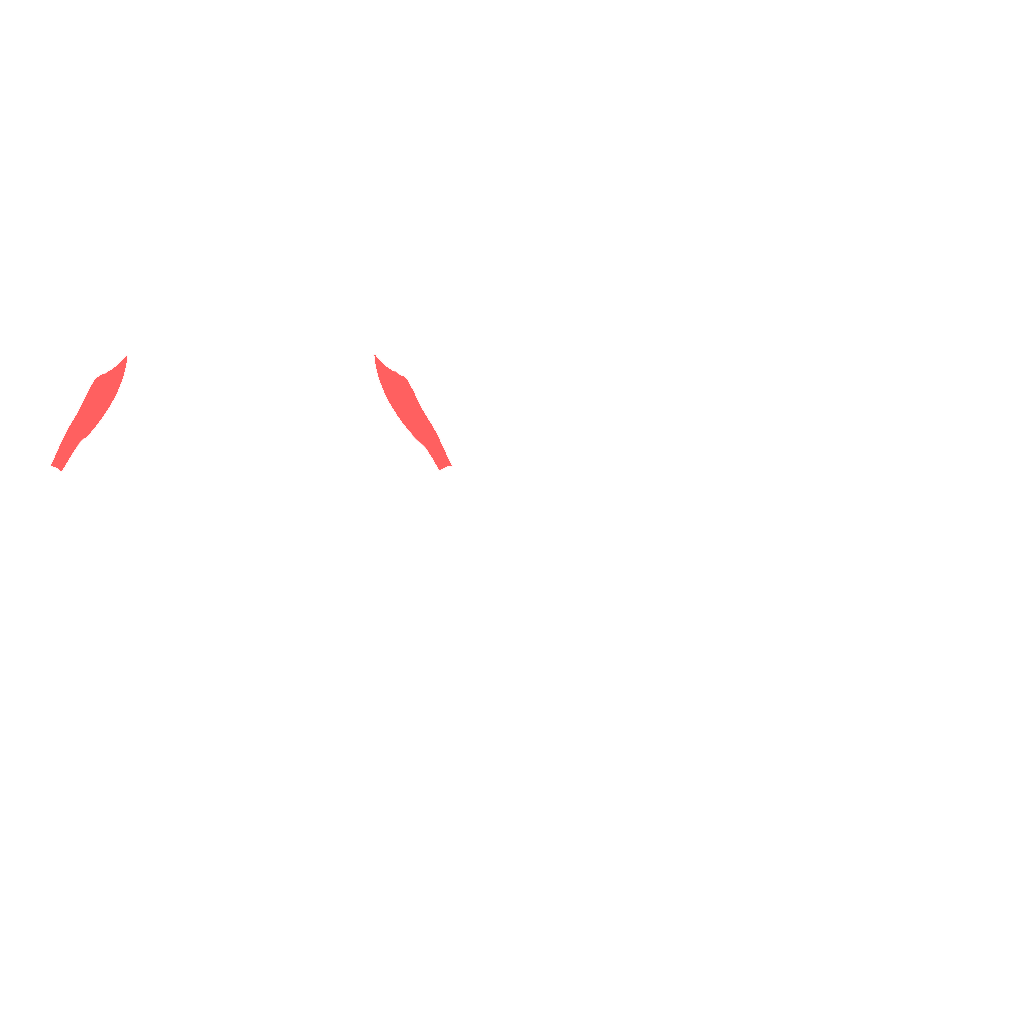
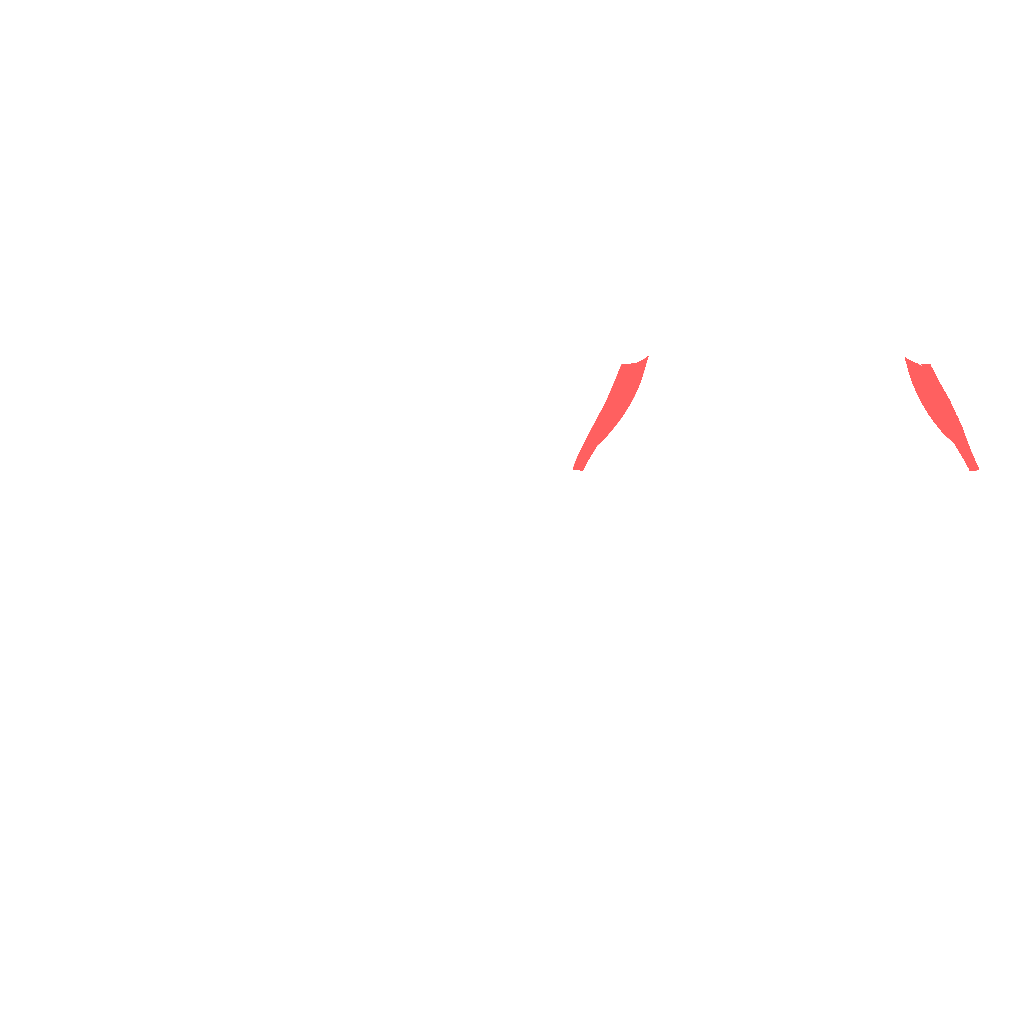
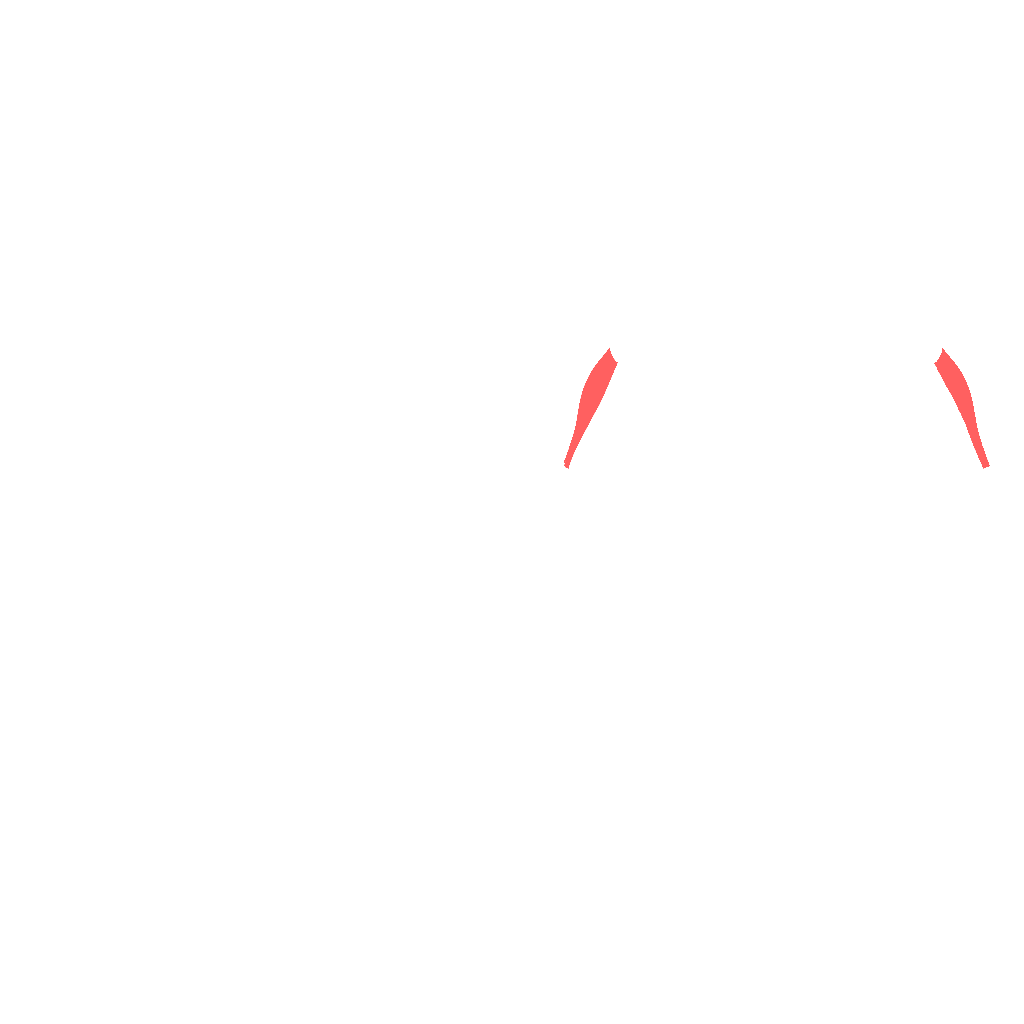

- Target
- Brachioradialis, Extensors, Deltoid Middle
- Secondary
- Deltoid Anterior, Extensor Carpi Ulnaris, Abdominal External Oblique
- Tertiary
- Biceps Brachii Long Head, Trapezius Upper, Deltoid Posterior
How to do it
- 1
Hold a light kettlebell by the handle in front of your hips with both feet planted.
- 2
Pop the bell up so it rotates a half turn in the air over the center of your body.
- 3
Track the handle with your eyes as it flips.
- 4
Reach across with the opposite hand and catch the handle as the bell settles.
- 5
Soften the catching elbow and knees to absorb the load, then flip it back the other way.
- 6
Keep the rhythm smooth and stop the moment your grip fatigues.
Tips
- Keep the toss low and centered so the catch is easy to time.
- Relax the hands between catches; a smooth pass beats a tense grab.
- Absorb each catch by yielding through the elbow rather than snatching the handle.
- Practice over a forgiving surface and use a light bell until the pass is reliable.
Variations
Common mistakes
- The toss drifts off to one side of the body instead of staying centered, so the catching hand has to lunge sideways to meet it.
- Reaching across too early, before the bell has finished its half turn, means the hand arrives under the handle instead of around it.
- The catching hand snatches at the handle the instant it's in reach instead of letting the bell settle into an open palm first.
- The knees stay locked straight through the whole pass, so a mistimed catch has no give in the legs to absorb the extra shock.
- Increasing toss height session to session to make the pass feel more impressive raises the miss consequences faster than the skill improves.
Frequently asked
- What's a good starting dose for the kettlebell hand-to-hand flip?
- Have a solid single-arm flip in each hand before combining them into a pass. Start with 3 sets of 6 to 8 passes total using a very light bell, resting when your grip starts to feel loose rather than pushing through fatigue. Add passes only once every catch lands quietly in an open palm.
- What can I use instead of a kettlebell for the hand-to-hand flip?
- Nothing else rotates and lands in the palm the way a kettlebell handle does, so there's no real substitute. If you don't have a bell, build hand-to-hand coordination with a beanbag or small medicine ball toss first, then move to the kettlebell version once one is available.
- Who should train the kettlebell hand-to-hand flip, and who should skip it?
- It's a reactive grip and coordination drill for lifters who already move kettlebells confidently and want sharper hand speed for cleans and snatches; it isn't a strength or conditioning tool on its own. Skip it with any current wrist or finger injury, since a mistimed catch lands force directly on those joints.
Related exercises
Other movements among FitRay's 2,000+ exercises that load the same target muscle — same equipment and level first.
- AdvancedTurkish Get-UpKettlebells · Abs · Shoulder
- AdvancedKettlebell Bent PressKettlebells · Abs · Shoulder
- AdvancedKettlebell Bottoms-Up Clean-to-Press FlowKettlebells · Forearms · Shoulder
- AdvancedKettlebell Bottoms-Up Overhead CarryKettlebells · Forearms · Shoulder
- AdvancedKettlebell Double Overhead CarryKettlebells · Abs · Shoulder
- AdvancedKettlebell Flip-and-CatchKettlebells · Forearms · Shoulder