Kneeling Cable Anti-Extension
This is an anti-extension drill, the flip side of anti-rotation, where the rectus abdominis fights to stop the load from pulling you into a backbend. Kneeling with the cable overhead and behind builds the same bracing that protects the spine under pressing and carrying. Keep it controlled and stop the set the moment your ribs start to flare.
- Equipment
- Cables
- Body part
- Abs
- Type
- Functional, Strength
- Browse by muscle
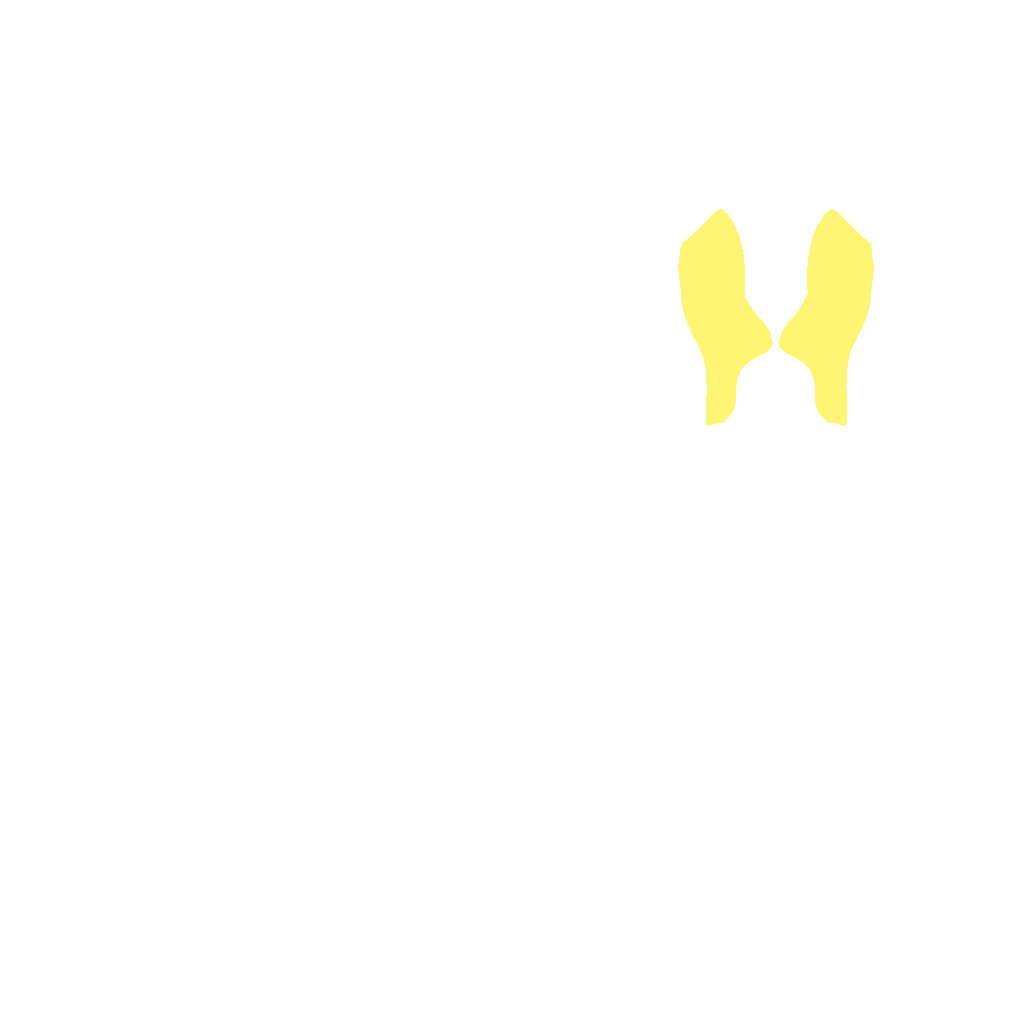
- Upper Rectus Abdominals, Lower Rectus Abdominals
- Browse by movement
- Core Brace






- Target
- Upper Rectus Abdominals, Lower Rectus Abdominals
- Secondary
- Abdominal External Oblique
- Tertiary
- Erector Spinae, Latissimus Dorsi
How to do it
- 1
Set a low pulley behind you and take the rope or handle in both hands.
- 2
Come to a tall-kneeling position with hips fully extended and hips over knees.
- 3
Raise the arms overhead and slightly forward so the cable pulls back and down.
- 4
Brace the abs hard and tuck the ribs down to keep the trunk vertical.
- 5
Hold the braced position, resisting the backward pull, for the prescribed time or reps.
- 6
Lower the arms under control and reset before the next effort.
Tips
- Think about pulling the front ribs toward the pelvis to lock the trunk.
- Squeeze the glutes to keep the hips fully extended and stable.
- Do not let the load drag you into a lower-back arch; reduce weight if it does.
Variations
Common mistakes
- A bare, hard kneeling surface makes people shift weight back onto their heels midway through the hold, breaking the tall-kneeling hip position the drill depends on.
- The arms drift higher than the cued overhead-and-slightly-forward angle, turning the resistance into a shoulder stretch instead of a backward pull to brace against.
- Breath gets held for the entire timed hold instead of taken in slow, steady cycles, which spikes pressure with no rib position controlling it.
- Once the working time creeps past twenty seconds, the tuck at the ribs loosens first and the lower back follows it into an arch.
Frequently asked
- How long should you hold the kneeling cable anti-extension when you are new to the exercise, and how many sets?
- Start with 3 sets of a 15 to 20 second hold, using light pulley weight and resting about a minute between sets. Stop each hold the instant the ribs flare or the hips start sinking forward, since a hold that has already broken form is not building anything. Once you can lock in a clean 20-second hold, add five seconds before you add weight.
- What can replace the kneeling cable anti-extension without a cable machine?
- Loop a long resistance band around a low, sturdy anchor behind you and hold the same tall-kneeling position, pressing the band overhead the same way. A suspended weight plate or light dumbbell held in both hands overhead while kneeling on a soft mat gives a rougher approximation if no anchor point exists at all. Either way, the key is a load pulling you backward that the brace has to resist.
- What is the kneeling cable anti-extension good for, and when should you skip it?
- It builds the same bracing that keeps your spine out of an arch when you press overhead or carry a heavy load, which makes it useful accessory work for lifters and anyone rehabbing a cranky lower back. Skip it, or switch to a very light band, if kneeling itself is painful on the knees or if you already have an active lower-back flare-up that overhead loading aggravates.
Related exercises
Other movements among FitRay's 2,000+ exercises that load the same target muscle — same equipment and level first.