One-Arm Pull-Up Top Hold
Holding the top of a one-arm pull-up builds the flexed-arm strength and grip endurance the full movement demands. It also hardens the shoulder in its most vulnerable packed position under maximal load. Use it alongside negatives to attack the one-arm pull-up from both ends of the range.
- Equipment
- Pull-Up Bar
- Type
- Strength
- Browse by muscle
- Latissimus Dorsi
- Browse by movement
- Rotation, Vertical Pull




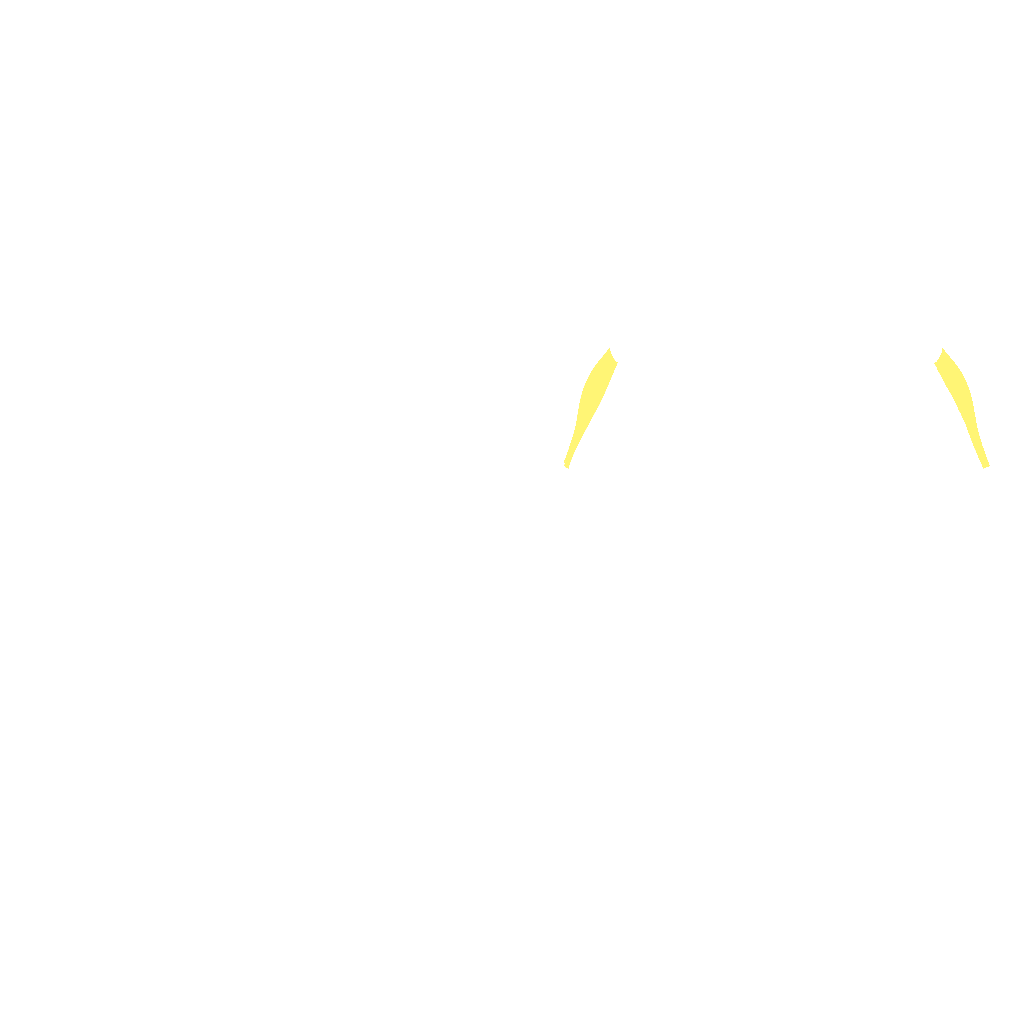

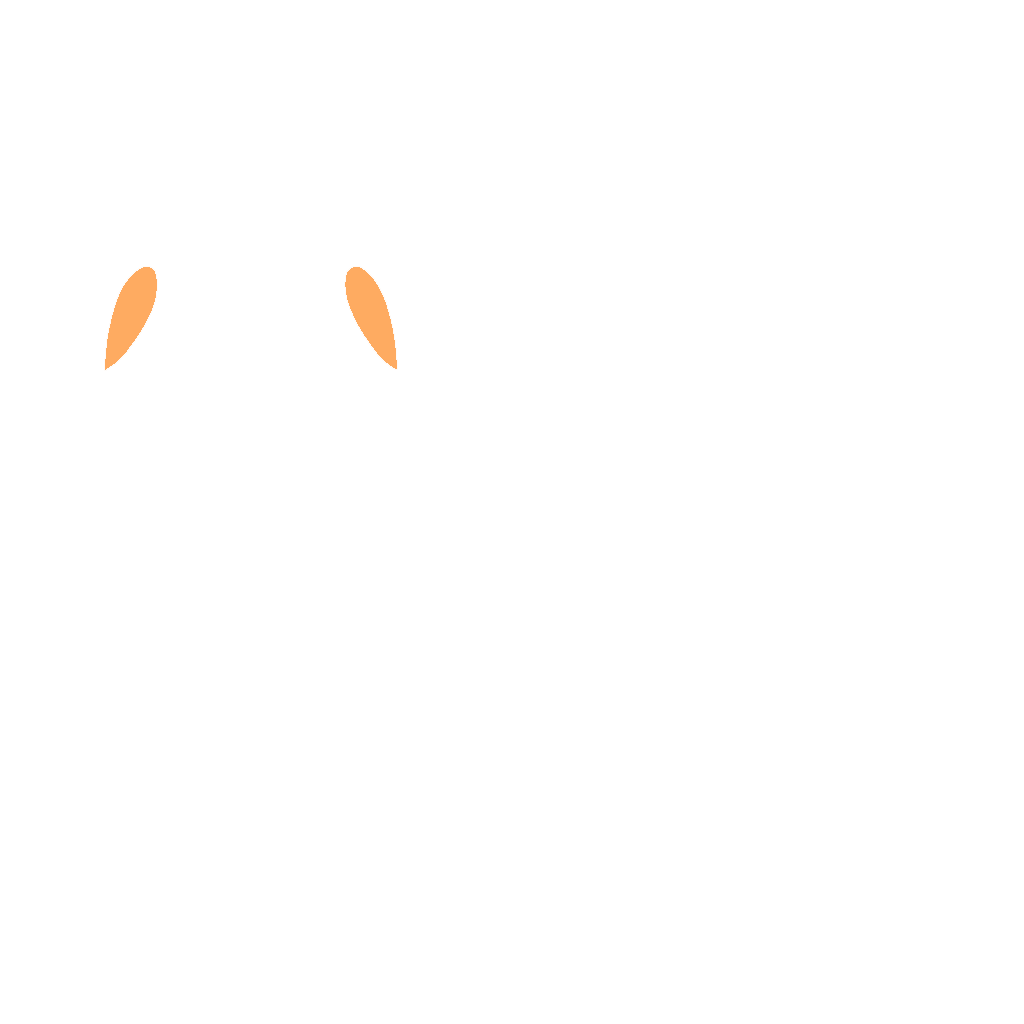
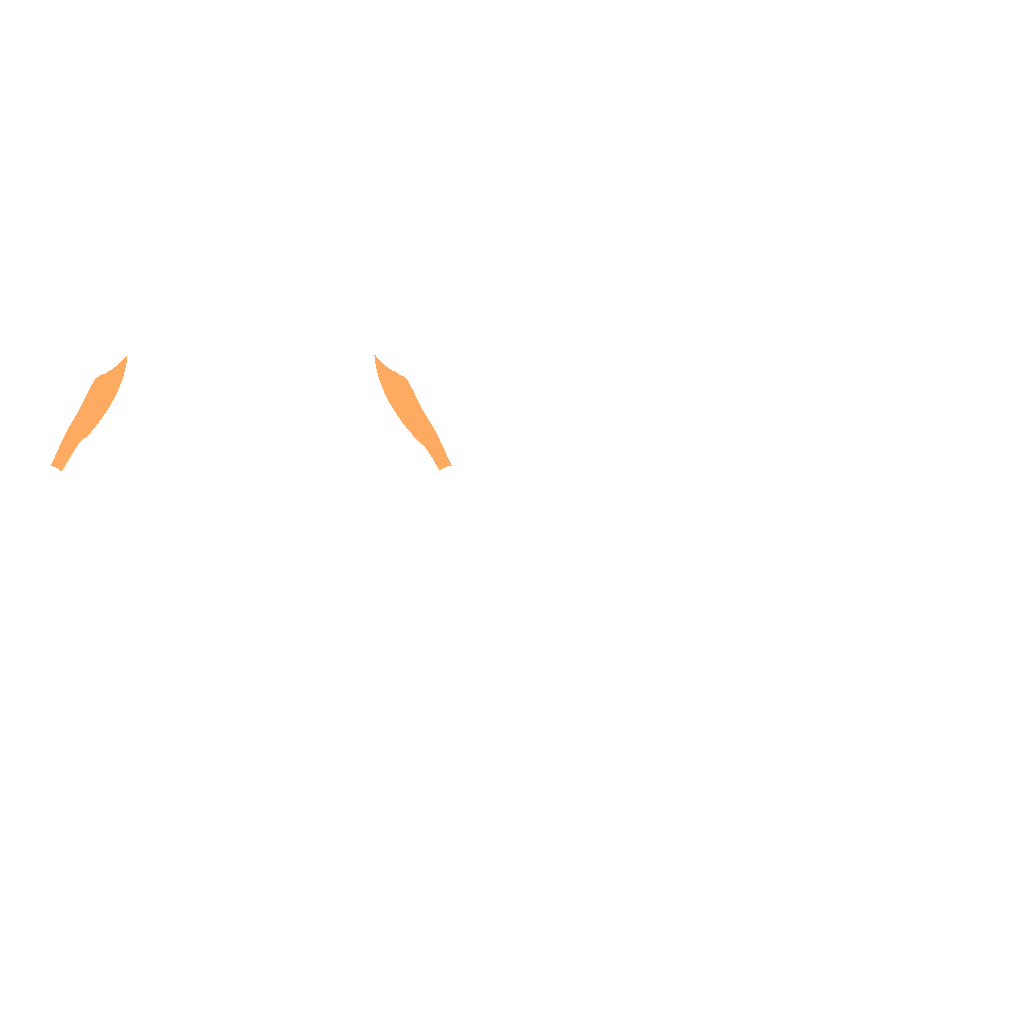
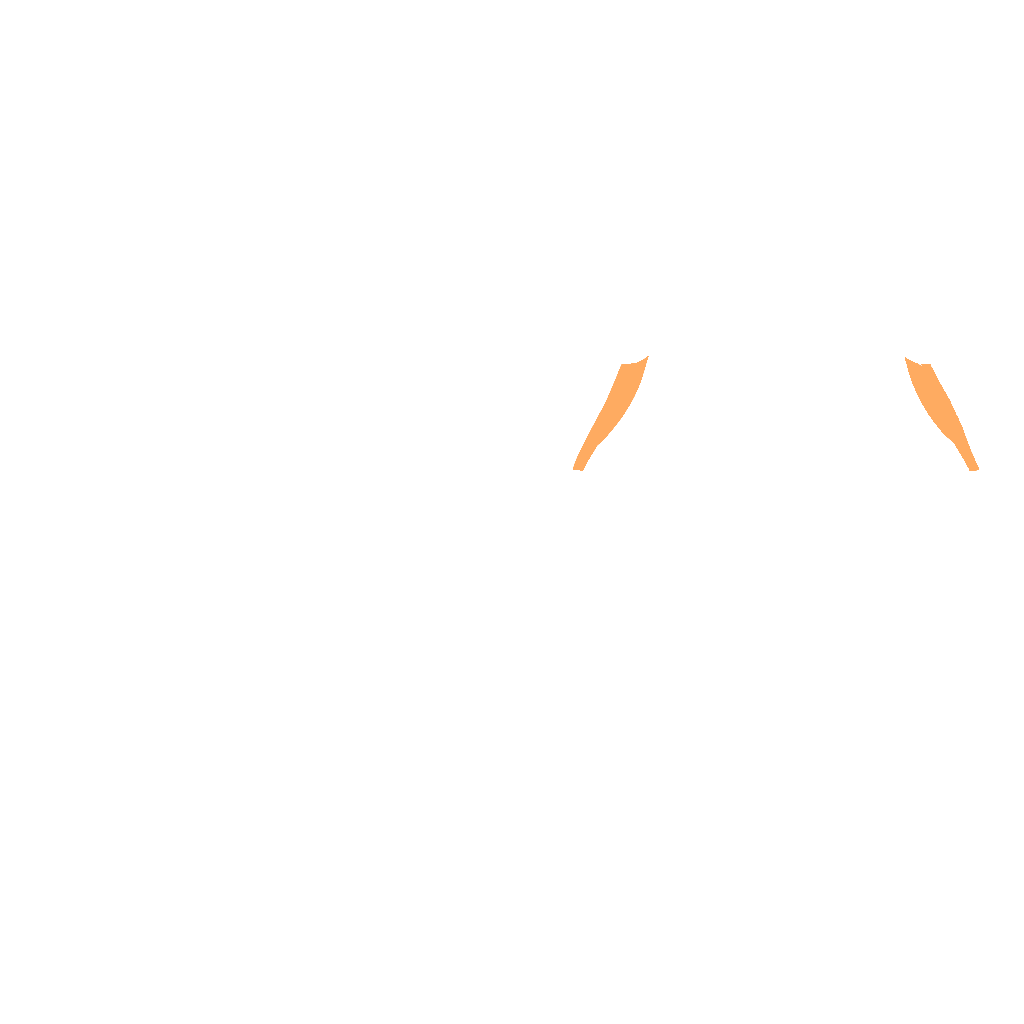



- Target
- Latissimus Dorsi
- Secondary
- Biceps Brachii Long Head, Biceps Brachii Short Head, Brachioradialis, Trapezius Middle, Trapezius Lower
- Tertiary
- Infraspinatus, Abdominal External Oblique, Extensors
How to do it
- 1
Pull to the top of a chin-over-bar position using both arms or a jump.
- 2
Release the assisting hand so only one arm supports you at the top.
- 3
Keep the elbow bent and the chin above the bar, shoulder pulled firmly down.
- 4
Hold the position statically while bracing the trunk against rotation.
- 5
Maintain the hold for a set time, then grab the bar again to come down safely.
- 6
Rest fully and repeat on the same arm before switching sides.
Tips
- Crush the bar with your grip to keep the wrist and forearm stable throughout the hold.
- Keep the working shoulder depressed, never let it ride up toward the ear under fatigue.
- Start with short holds of a few seconds and extend them gradually as control improves.
Variations
Common mistakes
- The trunk twists open toward the working arm as fatigue sets in, turning a controlled hold into a lopsided lean that stresses the shoulder unevenly.
- Grabbing the bar with the free hand the moment the arm starts shaking is often too late, since a controlled two-hand catch needs to start before form actually breaks.
- Skipping the earlier stages, like negatives and archer pull-ups, and jumping straight to holding full bodyweight on one arm invites more shoulder strain than the joint is ready for.
- The free, non-working arm flails out to the side for balance instead of staying tucked calmly against the body, which telegraphs instability rather than fixing it.
- The same arm gets worked to failure over and over in one session, when full rest between attempts on that arm matters more here than total volume.
Frequently asked
- What is a sensible starting dose for the one-arm pull-up top hold, and what should you be able to do first?
- Start with two or three holds of just two to three seconds per arm, resting a couple of minutes between attempts, and treat any shake in the shoulder as the signal to stop rather than push through. Before attempting this at all you should own a strict pull-up with a few seconds to spare and a comfortable assisted one-arm negative lowered over five or more seconds.
- What can you use instead of a pull-up bar to train toward a one-arm pull-up top hold?
- Gymnastic rings hanging from a sturdy beam let the wrist rotate naturally under a single arm, which many lifters find kinder to the joint than a fixed bar at this level. If no overhead bar or rings are available, a single-arm lat pulldown held at the bottom of the range on a machine trains a related squeezed-lat position while the machine supports part of the load.
- Why train a one-arm pull-up top hold instead of just working toward full reps?
- It isolates the flexed-arm strength and grip endurance the full one-arm pull-up demands, and it hardens the shoulder in the packed position it has to hold under maximal load, which negatives alone train less directly. It is the wrong tool for anyone without a rock-solid strict pull-up base or a history of shoulder instability, since loading one arm at end-range asks a lot of an unprepared joint.
Related exercises
Other movements among FitRay's 2,000+ exercises that load the same target muscle — same equipment and level first.
- AdvancedPull-UpPull-Up Bar · Back · Lats
- AdvancedBar Muscle-UpPull-Up Bar · Back · Lats
- AdvancedFront Lever RaisePull-Up Bar · Abs · Back
- AdvancedFull Front Lever HoldPull-Up Bar · Abs · Lats
- AdvancedWeighted Pull-UpPlate · Pull-Up Bar · Back
- AdvancedAdvanced Tuck Front Lever HoldPull-Up Bar · Abs · Lats