Partner-Assisted Supine Spinal Twist
This twist decompresses the spine and stretches the obliques, glutes, and deep rotators through a comfortable supported rotation. The partner keeps the trainee's shoulder grounded while easing the crossed knee toward the floor, which keeps the rotation smooth and prevents the trainee from cheating the range. It is a calming finisher for the end of a session.
- Equipment
- Body Weight
- Type
- Stretching
- Browse by muscle
- Abdominal External Oblique


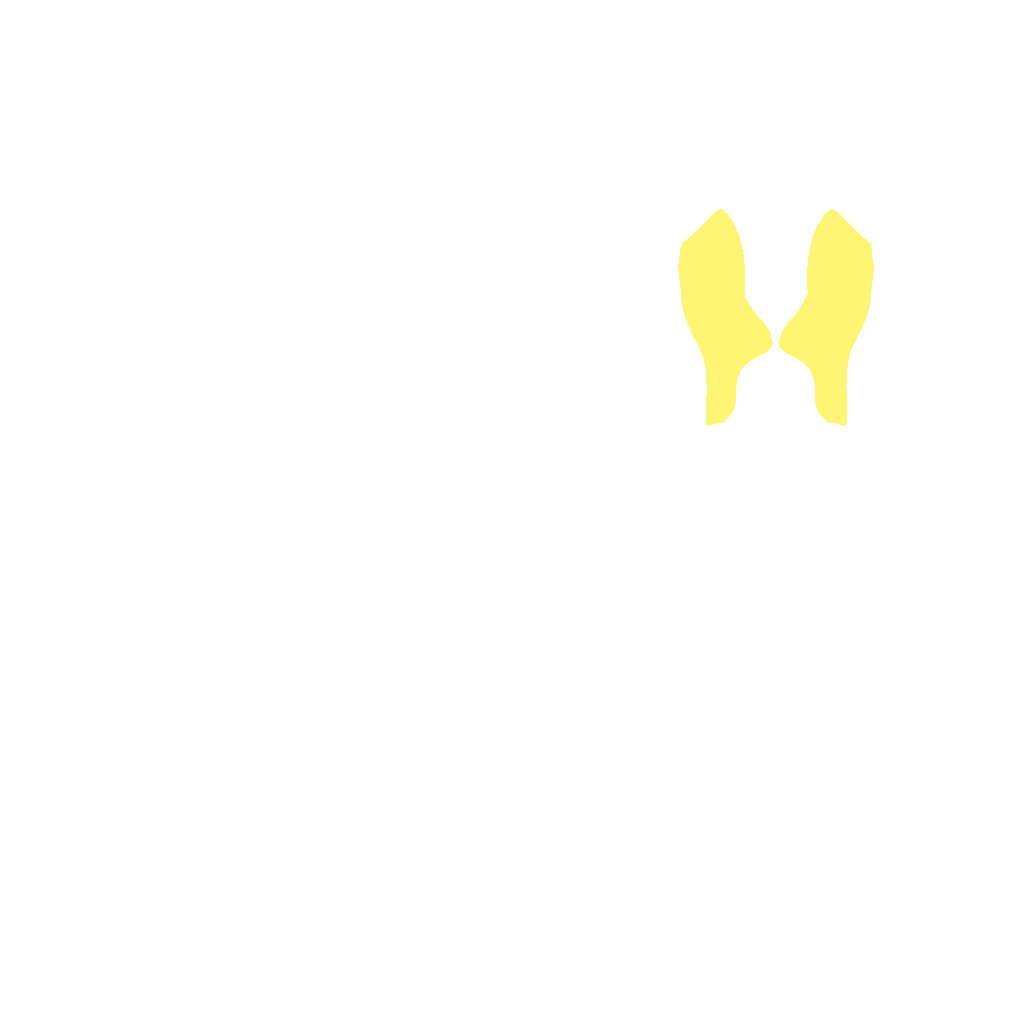



- Target
- Abdominal External Oblique
- Secondary
- Erector Spinae, Gluteus Maximus
- Tertiary
- Latissimus Dorsi
How to do it
- 1
Have the trainee lie on their back and draw one knee up toward the chest, arms spread wide on the floor.
- 2
Kneel beside the trainee and guide the raised knee across the body toward the opposite side.
- 3
Place one hand lightly on the front of the shoulder to keep it grounded and one on the outside of the crossed knee.
- 4
Ask the trainee to exhale and let the knee settle toward the floor as they relax.
- 5
Hold for 20 to 30 seconds feeling a gentle stretch through the side and low back, then unwind slowly.
- 6
Repeat on the other side, checking in verbally and easing off if any sharp back sensation appears.
Tips
- Prioritize keeping the far shoulder on the ground over forcing the knee all the way down.
- Let gravity and breathing do most of the work; apply only light pressure to the knee.
- Cue slow nasal breathing to help the trunk relax into the twist.
- Stop immediately if the trainee reports any nerve-like or pinching sensation in the spine.
Variations
Common mistakes
- The assisting hand on the knee pushes with a steady downward force instead of easing off between the trainee's exhales, fighting their breathing rather than following it.
- Once the trainee stops giving verbal feedback, the assist tends to keep going on autopilot instead of checking in again.
- Kneeling too far from the trainee's hips forces you to reach and apply pressure at an awkward angle instead of a close, controlled one.
- The hand on the shoulder drifts toward the collarbone or neck instead of staying flat on the front of the shoulder, which can restrict the trainee's breathing.
Frequently asked
- How long should you hold a partner-assisted supine spinal twist?
- Hold 20 to 30 seconds per side with the trainee breathing slowly throughout, and repeat for a second round per side only if their back and hips still feel tight. Progress by easing the knee slightly closer to the floor over sessions rather than adding rounds.
- What can you do instead of a partner-assisted supine spinal twist with no partner available?
- The trainee can do a regular supine spinal twist or reclining spinal twist alone, using gravity and their own hand to guide the knee instead of a partner's assist. A partner mainly adds a steadier, more controlled stretch, so the solo versions still cover the same low-back and hip release.
- What is a partner-assisted supine spinal twist good for?
- It gives a trainee a deeper, steadier spinal decompression and hip stretch than they could relax into alone, making it a good calming finisher for a one-on-one session or partner stretching routine. It is the wrong choice for anyone with diagnosed disc issues or recent back surgery, since an assisted twist can push further into rotation than the trainee could stop on their own.
Related exercises
Other movements among FitRay's 2,000+ exercises that load the same target muscle — same equipment and level first.