Bharadvaja's Twist
This is one of the friendliest spinal twists, safe for stiff backs and beginners because the legs are relaxed to one side rather than loaded. It mobilizes the whole spine, opens the obliques and shoulders, and eases the low back after long sitting. A great everyday reset that anyone can hold comfortably.
- Equipment
- Body Weight
- Type
- Stretching, Yoga
- Browse by muscle
- Erector Spinae, Abdominal External Oblique



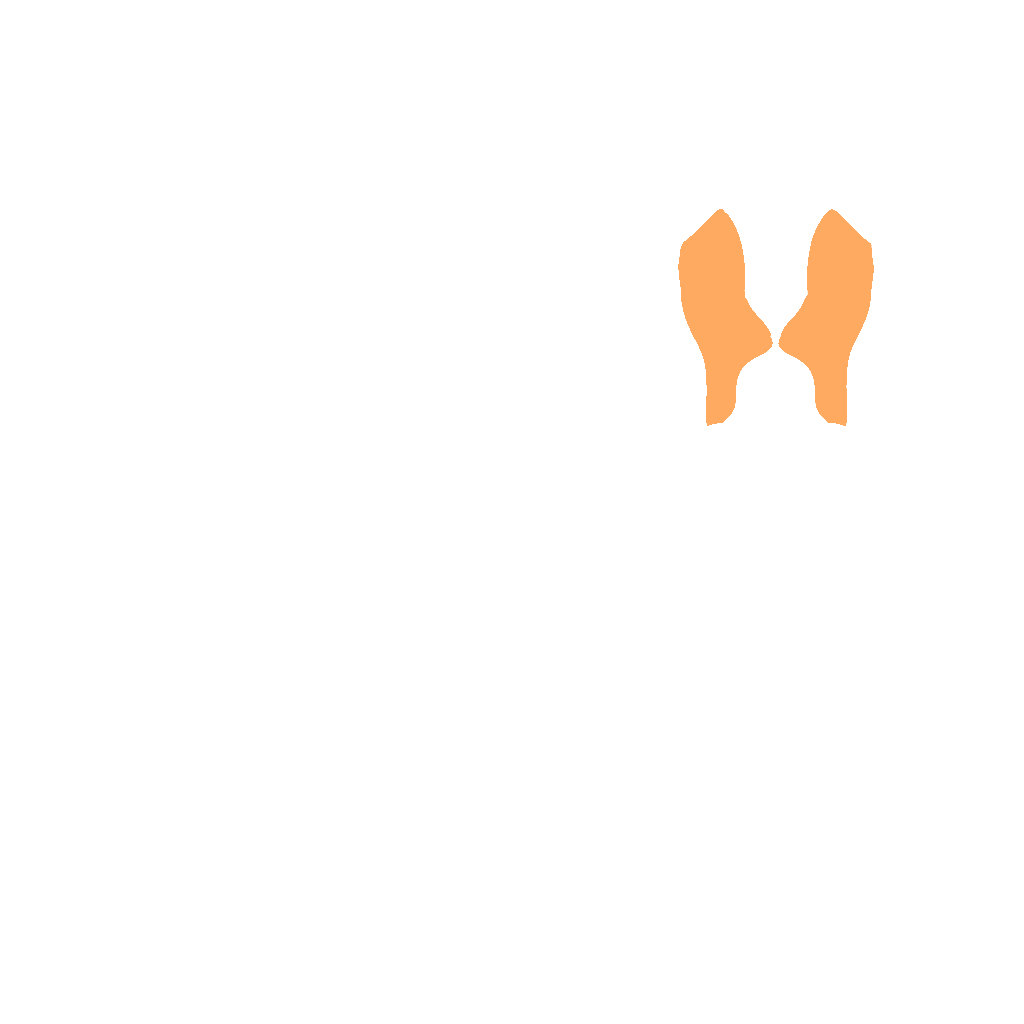



- Target
- Erector Spinae, Abdominal External Oblique
- Secondary
- Latissimus Dorsi, Gluteus Maximus
- Tertiary
- Trapezius Middle
How to do it
- 1
Sit tall and sweep both legs to one side so the feet rest beside the opposite hip.
- 2
Level the pelvis by grounding both sit bones as evenly as you can.
- 3
Inhale and lengthen the spine upward.
- 4
Exhale and rotate the torso away from the feet, toward the open side.
- 5
Rest one hand on the outer knee and the other behind you for support.
- 6
Hold with easy breathing, then bring the legs to the other side and twist the opposite way.
Tips
- Prop the lifted hip on a folded blanket to keep the pelvis level and the twist even.
- Keep the twist gentle and spread it along the whole spine rather than forcing the shoulders.
- Let the gaze follow the twist last, turning the head only as far as the neck stays soft.
Variations
Common mistakes
- The hand behind you ends up propping the whole torso upright, so you lean into it and the spine shortens; keep the weight in the sit bones and the fingertips light.
- The feet get swept so far around that they press into the opposite hip and the lower ankle takes a sideways twist; leave a hand's width between the feet and the hip.
- The twist goes toward the feet rather than away from them, which closes the waist on the side already compressed and leaves the spine almost nowhere to rotate.
- Shoulders get hauled around while the low ribs stay put, and the last few degrees taken from the shoulder girdle do nothing for the spine; turn the ribcage and let the shoulders follow.
- The pose is comfortable enough to hold while distracted, so people settle in for three or four minutes as the pelvis slowly collapses; two or three slow breaths, reset, go again.
Frequently asked
- How long should a beginner hold Bharadvaja's twist?
- Five to eight slow breaths with the legs to one side, then sweep them the other way and twist the opposite direction, two rounds each. It is gentle enough for every day, and it works as well at a desk as on a mat. Progress by adding a few breaths, then by taking the arm behind the back to catch the opposite upper arm, which deepens the shape without asking the spine for more rotation.
- How do I make Bharadvaja's twist easier or harder?
- Easier: sit on a folded blanket, or do the whole thing on a chair with both feet on the floor, and leave the feet further from the hip so the pelvis stays level. Rest both hands on the knees and rotate only as far as feels easy. Harder: hold the outer knee with the opposite hand and reach the other arm behind your back to take the inner elbow, hold for longer, or draw the top foot into half lotus before you turn.
- What is Bharadvaja's twist good for, and when should I choose something else?
- It is the friendliest spinal twist there is, because the legs are relaxed to one side rather than loaded, so stiff backs, beginners and older practitioners can all hold it comfortably while the whole spine, the obliques and the shoulders ease open. Choose something else if you want depth, since Marichi's pose and revolved triangle rotate much further, or strength, which no twist like this provides. Knees or ankles that dislike side-sitting should be padded, and leave it out if turning brings pain down a leg.
Related exercises
Other movements among FitRay's 2,000+ exercises that load the same target muscle — same equipment and level first.