Scapular Retraction Isometric Hold
This isolates the scapular retractors, the mid and lower traps, that keep the shoulder blades set during every pull and press. Holding straight-armed against tension trains those muscles to work as postural stabilizers rather than movers, which improves shoulder health and pulling mechanics. It is a gentle, joint-friendly drill for desk-bound trainees and a smart warm-up before pressing.
- Type
- Strength
- Browse by muscle
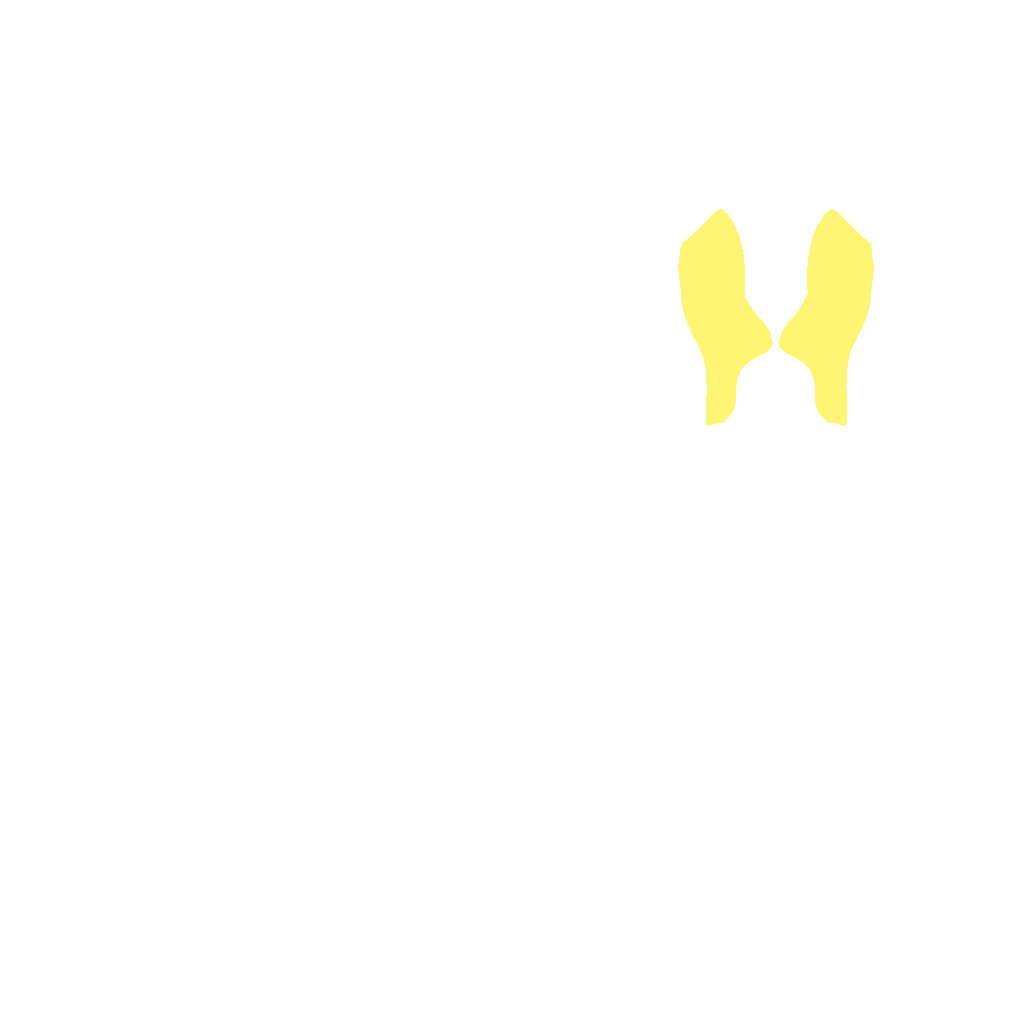
- Trapezius Middle, Trapezius Lower
- Browse by movement
- Horizontal Pull






- Target
- Trapezius Middle, Trapezius Lower
- Secondary
- Deltoid Posterior, Infraspinatus
- Tertiary
- Latissimus Dorsi
How to do it
- 1
Grip a band or cable handles with the arms extended in front at chest height.
- 2
Keeping the elbows nearly straight, pull the shoulder blades back and down.
- 3
Stop once the blades are fully retracted and depressed, arms still long.
- 4
Hold this squeezed position without bending the elbows into a row.
- 5
Keep the shoulders down and the neck relaxed throughout.
- 6
Hold for time, then let the blades glide forward under control.
Tips
- Think down and back with the shoulder blades, not up toward the ears.
- Keep the ribcage down so the movement comes from the blades, not the low back.
- If the arms bend, lighten the load; this is a scapular hold, not a row.
Variations
Common mistakes
- The arms drift down toward the hips over the hold, so the pull ends up below chest height and the lower traps take the job off the middle ones.
- You lean away from the anchor to keep the blades back, which means the trunk is holding the band and the shoulder blades are along for the ride.
- One blade travels and the other barely moves, usually on your dominant side; watch it in a mirror once, because you will not feel it.
- The blades give way a few millimeters at a time, so the hold is over long before the clock is; pick a mark on the wall that your knuckles have to stay level with.
- A band with no real stretch in it lets the blades sit back against nothing, and thirty seconds of that changes nothing; step back until you feel tension before the blades move.
Frequently asked
- How many sets of the scapular retraction isometric hold should a beginner do?
- Three to five holds of 20 to 30 seconds with a light band and 30 seconds of rest, done most days or slotted between sets of bench press. Progress by holding longer first, up to about 45 seconds, then step further from the anchor for more tension rather than reaching for a thicker band. If the elbows start bending to help, the resistance is already too strong.
- What can I use instead of a band or cable for a scapular retraction hold?
- Lie face down on the floor with your arms out in a T, lift them an inch, and hold: no equipment, the same muscles, and harder than it sounds. A bath towel looped around a door handle and pulled taut gives you something to set the blades against. Two light dumbbells held out in front with straight arms work too, though the weight pulls down rather than forward, so the shoulder feels a different version of the hold.
- What is the scapular retraction isometric hold for, and who does not need it?
- It trains the mid and lower traps to work as postural holders, the job they do during every press and pull, which makes it a gentle option for desk-bound trainees and a sensible primer before pressing. It does nothing for size or strength, because the load is deliberately small. Anyone already rowing and pulling several times a week probably gets enough of this, and nobody should use it in place of those lifts.
Related exercises
Other movements among FitRay's 2,000+ exercises that load the same target muscle — same equipment and level first.