Ball Release Teres
The teres major and minor sit along the outer border of the shoulder blade and tie into the back of the armpit; when tight they choke overhead reach and shoulder rotation. This ball release pins that dense corner. Use it before overhead pressing or throwing.
- Equipment
- Massage Ball
- Type
- Recovery, Stretching
- Browse by muscle
- Infraspinatus


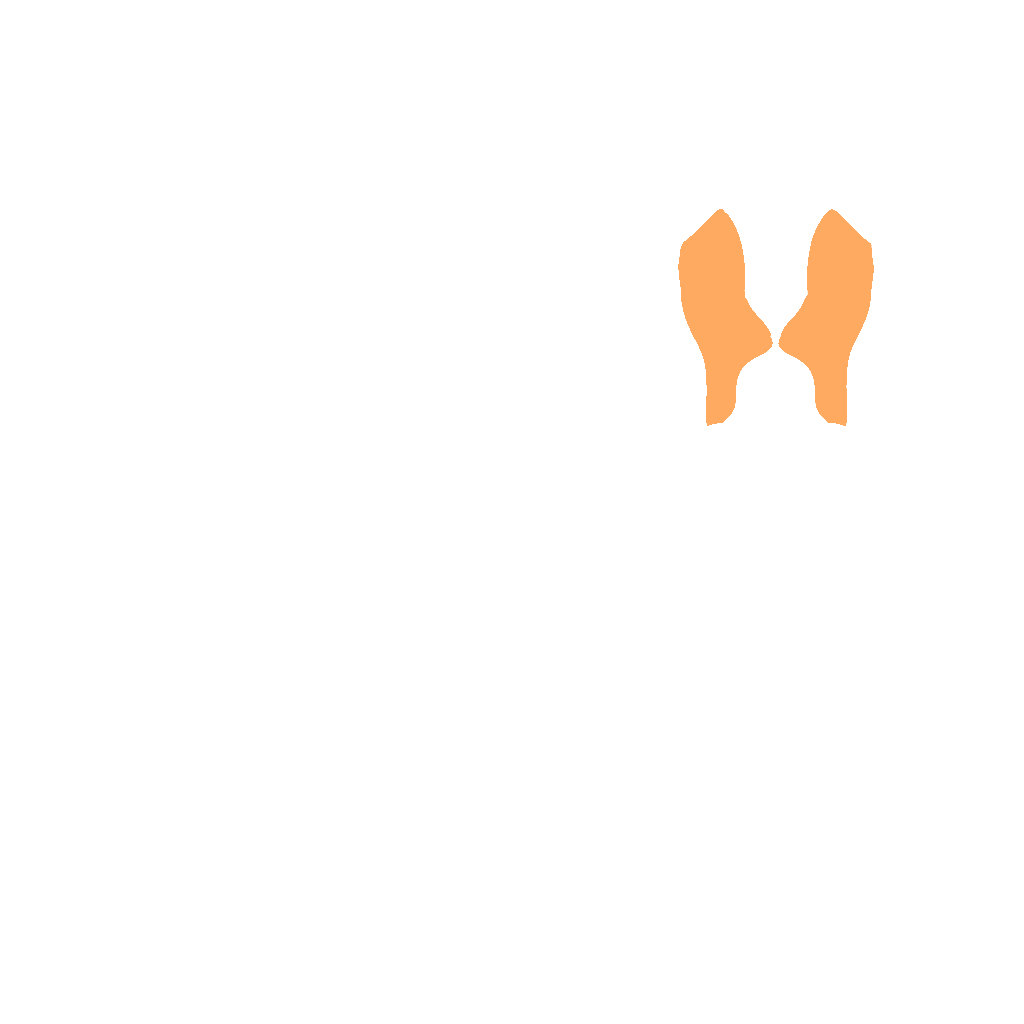

- Target
- Infraspinatus
- Secondary
- Latissimus Dorsi
How to do it
- 1
Place a massage ball against a wall and lean the outer edge of your shoulder blade into it.
- 2
Reach the working arm across your chest to open the tissue.
- 3
Sink your bodyweight into the ball and find the tender band near the armpit.
- 4
Hold steady pressure and breathe slowly for two to three breaths.
- 5
Slowly raise and lower the arm to floss the muscle under the ball.
- 6
Work thirty to forty-five seconds per side.
Tips
- Hunt just below and behind the armpit along the shoulder blade edge.
- Keep the pressure sustained rather than grinding back and forth.
- Back off if you feel numbness or tingling into the arm.
Variations
Common mistakes
- The reaching arm stays tucked close to the body instead of crossing well over the chest, so the tissue around the shoulder blade edge never actually opens.
- The arm-raise floss at the end gets rushed into a couple of quick pumps instead of a slow raise and lower, which is what actually works the muscle under the ball.
- Standing too close to the wall dumps the full weight of the upper body onto the ball at once, instead of a controlled lean you can back off from.
- Shifting from side to side to chase the tender spot turns the hold into scrubbing instead of the sustained pressure that lets the tissue actually release.
Frequently asked
- How long should a beginner spend on the ball release for the teres?
- Spend 30 to 45 seconds per side with steady, sustained pressure rather than digging around for a different spot every few seconds. Use it before overhead pressing or throwing to open the shoulder, working up to a firmer lean only once the area stops feeling sharp. There is no need to search for more than one or two tender bands per session.
- What can you use instead of a ball for the teres release?
- A tennis ball or lacrosse ball against a doorframe corner works if you do not have a dedicated massage ball, since the corner lets you angle into the same spot along the shoulder blade edge. Lying on the floor with the ball under your shoulder blade and using body weight instead of a wall is another option if you prefer more pressure. Either substitute should land just below and behind the armpit, not flat on the shoulder blade itself.
- What is the teres ball release good for, and when should you skip it?
- It is aimed at anyone whose overhead reach or shoulder rotation feels choked up from tight teres and lat tissue, making it a useful primer before overhead pressing or throwing. It will not resolve a true rotator cuff tear or a shoulder impingement that needs a different kind of care. Skip it, or use much lighter pressure, if you feel numbness or tingling running down the arm, since that means you are pressing on a nerve rather than muscle.
Related exercises
Other movements among FitRay's 2,000+ exercises that load the same target muscle — same equipment and level first.