Banded Posterior Hip Capsule Distraction
Deep-squat depth and comfortable sitting often come down to a stiff posterior hip capsule. Here the band pulls the femoral head back and out while you sink into flexion, giving the glutes and deep rotators room to lengthen. Program it before squats or after long sitting to restore that end-range hip flexion.
- Equipment
- Band
- Body part
- Glutes
- Type
- Functional, Stretching
- Browse by muscle
- Gluteus Maximus


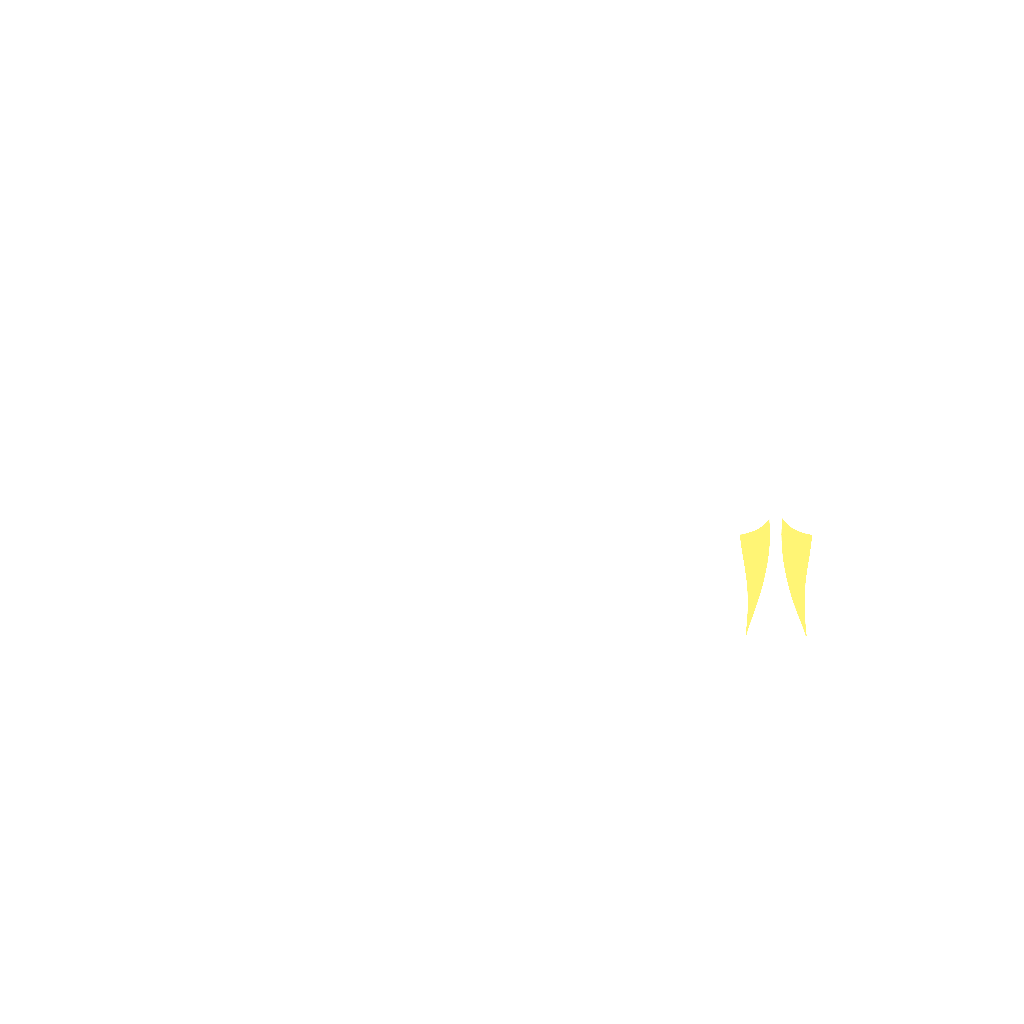
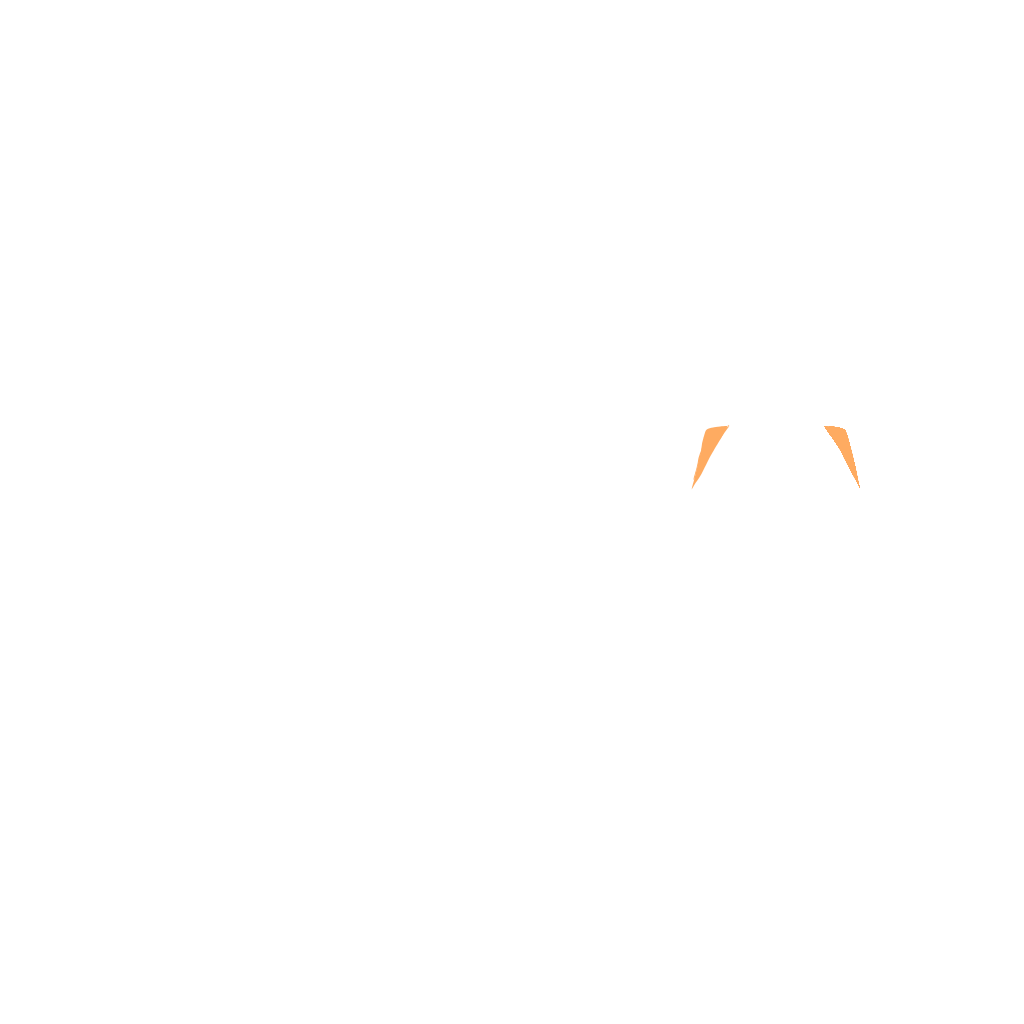

- Target
- Gluteus Maximus
- Secondary
- Gluteus Medius
- Tertiary
- Adductor Magnus
How to do it
- 1
Anchor a band low and loop it high on the thigh of your working leg near the hip crease.
- 2
Crawl forward to load the band, then set up on all fours or in a 90/90 seated position with that hip flexed.
- 3
Let the band draw the top of the thigh backward into the socket.
- 4
Rock your hips back toward your heel, sinking into deeper flexion as the band decompresses the joint.
- 5
Hold the stretch in the back of the hip for a breath or two.
- 6
Rock forward to unload and repeat, then set up the other leg.
Tips
- Keep your spine long; let the movement come from the hip, not a rounding back.
- The stretch should be deep in the glute, not sharp in the front of the joint.
- Add a gentle internal-rotation drift of the shin to bias the posterior capsule.
Variations
Common mistakes
- The spine rounds as the hips rock back, so the movement comes from the lumbar spine and the hip never reaches the flexion the drill is after.
- People crawl forward only a step, leaving the band slack, and without real tension the joint gets no decompression as the hip folds.
- A sharp pinch at the front of the hip is mistaken for progress; the sensation belongs deep in the glute, and a front pinch means backing out of the range.
- Rocking happens fast and rhythmically, when the capsule responds to a slow sink held for a breath or two at the deepest comfortable point.
- The loop slides down onto the mid-thigh during the rock, and from there the band pulls the leg instead of the femoral head.
- Only the stiff side gets set up once while the other gets a full round, which leaves the asymmetry that created the problem in the first place.
Frequently asked
- How long should I spend on the banded posterior hip capsule distraction?
- Ten slow rocks per hip with a one or two breath pause at the bottom of each, one or two rounds per side, is a complete dose and takes a couple of minutes. It suits a pre-squat routine or a reset after long sitting, and it is safe to do most days. Progress by adding the gentle internal rotation drift the tips describe, or by holding the deepest position for longer, rather than by stepping further from the anchor and yanking harder.
- What can I do instead of the banded posterior hip capsule distraction without a band?
- A 90/90 seated hip rock or a deep goblet squat hold covers the glute and deep rotator length without any equipment. A partner can substitute for the band by pressing a strap across the top of your thigh, pulling it back and out as you rock your hips toward your heel. A cable with an ankle strap looped high on the thigh is the closest gym equivalent. None of those decompress the joint the way a band does, so they are a fallback rather than an equal.
- What is the banded posterior hip capsule distraction good for, and when should you choose something else?
- It targets the stiff posterior capsule and deep rotators that often limit deep squat depth and comfortable sitting, giving the joint room while the glute lengthens. It suits lifters who feel blocked at the bottom of a squat and anyone stiff after hours in a chair. The same backward glide also eases the pinch some people feel at the front of the hip in a deep squat; treat deep buttock pain with numbness down the leg as a reason to see a clinician rather than to distract the joint harder.
Related exercises
Other movements among FitRay's 2,000+ exercises that load the same target muscle — same equipment and level first.
- IntermediateBand Cossack SquatBand · Glutes · Thighs
- IntermediateBand Reverse LungeBand · Glutes · Quads
- IntermediateBanded Barbell Good MorningBand · Barbell · Glutes
- IntermediateBanded Diagonal Monster WalkBand · Glutes
- IntermediateBanded Quadruped Hip CARsBand · Glutes
- IntermediateResisted Band SprintBand · Glutes · Hamstring