Barbell Jefferson Curl
The Jefferson curl is a loaded mobility drill: standing on a box, you round down one vertebra at a time under a light bar to build controlled range and tissue tolerance in the hamstrings and spinal erectors. Done patiently with a modest load, it can strengthen end-range positions and leave the posterior chain feeling supple. Keep the weight very light and the tempo slow, because this movement deliberately flexes a loaded spine and rewards control, not ego. It fits best as accessory or mobility work, not as a heavy strength lift.
- Type
- Strength, Stretching
- Browse by muscle
- Erector Spinae, Biceps Femoris, Semitendinosus
- Browse by movement
- Spinal Flexion







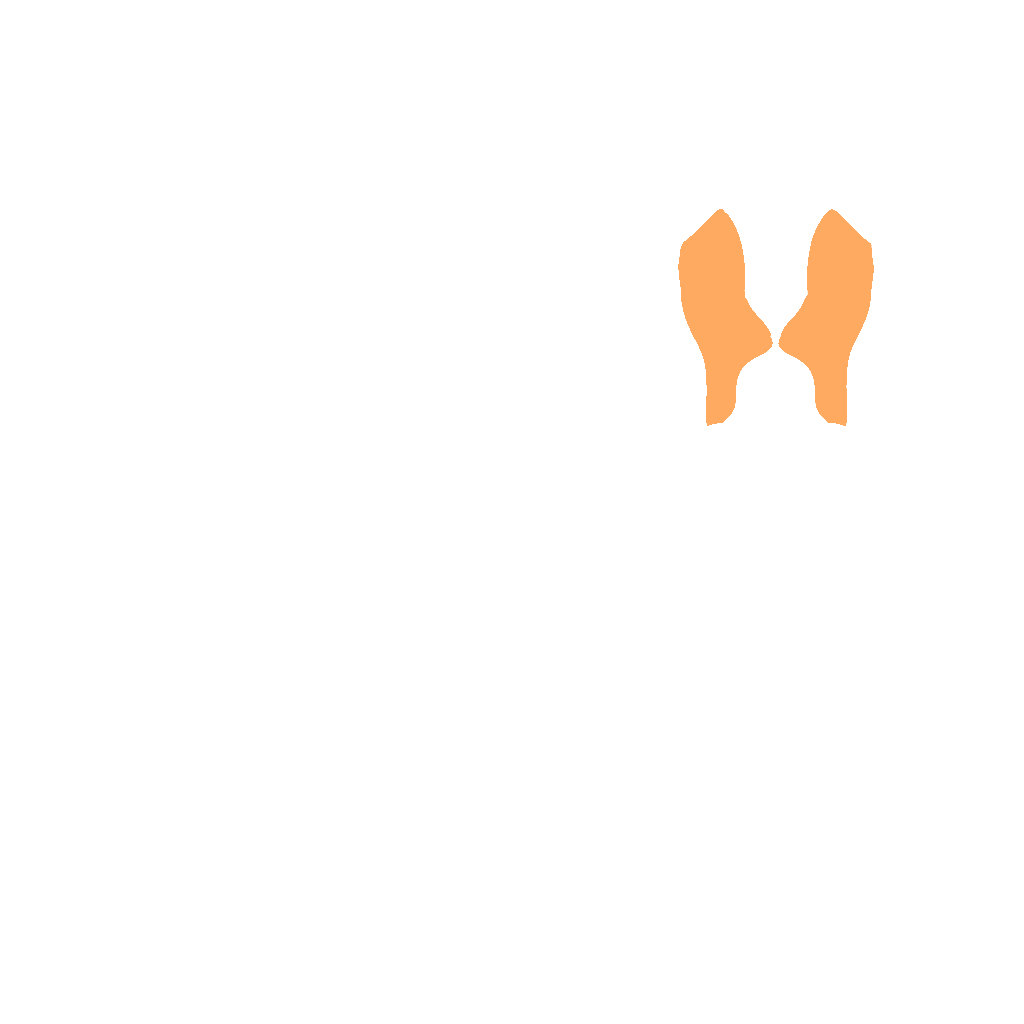



- Target
- Erector Spinae, Biceps Femoris, Semitendinosus
- Secondary
- Gluteus Maximus, Latissimus Dorsi
- Tertiary
- Trapezius Upper, Brachioradialis
How to do it
- 1
Stand on a sturdy box holding a light barbell at your hips with a shoulder-width grip.
- 2
Tuck your chin and begin rounding down through your upper back first.
- 3
Continue flexing segment by segment, letting the bar hang close to your legs.
- 4
Keep your legs nearly straight and sink into a comfortable hamstring stretch.
- 5
Reverse the motion by stacking your spine from the bottom back up to tall.
- 6
Move slowly and breathe throughout rather than bouncing at the bottom.
Tips
- Start with an empty bar or less; this is a mobility tool, not a max lift.
- Peel down and stack up one vertebra at a time instead of hinging as a block.
- Never do this on an aggravated or acutely painful back; build range gradually.
Variations
Common mistakes
- The knees lock or bend inconsistently rep to rep, when it is the nearly straight legs that shift the stretch into the hamstrings instead of the low back.
- Real plates go on the bar before the segmental roll is smooth, turning a mobility drill into a loaded flexion max, the opposite of what this exercise is for.
- Bouncing at the bottom to chase a deeper stretch turns a controlled drill into a ballistic one, which is exactly where a flexed-spine injury happens.
- The head snaps up to look forward partway down, which breaks the wave of flexion and leaves a stiff segment in the mid-back that never gets to move.
- An unstable or slick box undermines the one thing this drill depends on most: a slow, fully controlled descent.
Frequently asked
- How many reps of the barbell Jefferson curl should you do when you are new to the exercise?
- Start with just an empty bar or even a light dowel for 2 sets of 6 to 8 slow reps, pausing briefly at the bottom to breathe rather than bouncing. Progress by adding range before you add weight, and only load a few extra pounds once the roll down and back up feels smooth through every segment.
- What can you do instead of the barbell Jefferson curl if you don't have a barbell?
- A light dowel, broomstick, or even just your own bodyweight rolling down toward your toes trains the same segment-by-segment spinal flexion with no load at all. A very light plate or a filled water jug held at the hips works too once the unweighted version feels controlled.
- What is the barbell Jefferson curl good for, and when should you skip it?
- It builds controlled range and tissue tolerance through a flexed spine and a longer hamstring stretch, which can leave the posterior chain feeling more supple for other lifts. Skip it if your back is aggravated or acutely painful, if you have a diagnosed disc issue, or if you are looking for a strength or muscle-building lift.
Related exercises
Other movements among FitRay's 2,000+ exercises that load the same target muscle — same equipment and level first.