Good Morning
The good morning bows the torso forward over a hinge with the bar racked on your back, teaching the hamstrings, glutes, and erectors to work as a unit. It builds a resilient lower back and reinforces the same pattern as the deadlift. Start light and technical; this lift punishes sloppy form.
- Equipment
- Barbell
- Type
- Strength
- Browse by muscle
- Biceps Femoris, Semitendinosus, Gluteus Maximus, Erector Spinae
- Browse by movement
- Hinge




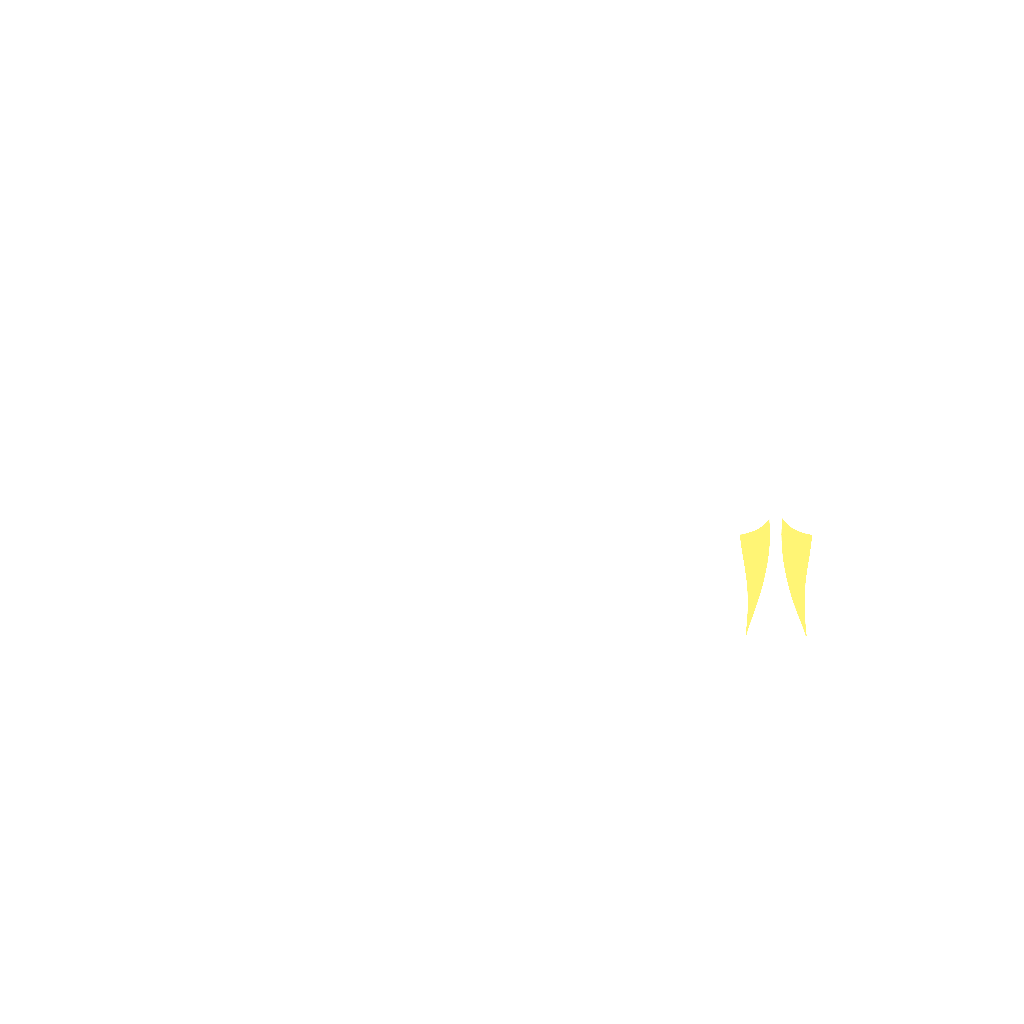




- Target
- Biceps Femoris, Semitendinosus, Gluteus Maximus, Erector Spinae
- Tertiary
- Trapezius Upper, Adductor Magnus
How to do it
- 1
Rack the bar across your upper back as for a squat, feet hip-width.
- 2
Soften the knees and brace your entire trunk.
- 3
Push your hips back and hinge the torso toward parallel.
- 4
Keep a flat back and feel the hamstrings load through the stretch.
- 5
Drive the hips forward to return your torso upright.
- 6
Squeeze the glutes at the top without arching the lower back.
Tips
- Lead the movement with the hips going back, not the chest going down.
- Stop the descent the moment your back can no longer stay flat.
- Use conservative weight; this is a technique lift, not an ego lift.
Variations
Common mistakes
- The knees keep folding as the torso drops, so the lift drifts into a bad squat and the hamstrings never reach the stretch that makes the movement worth doing.
- Racking the bar low on the neck instead of the meat of the upper traps leaves it digging in, and the discomfort makes you cut the hinge short before the hamstrings load.
- At the top, lifters throw the hips through and finish in a backward lean, which loads the lower spine at the exact moment the glutes should be finishing the rep.
- The chin lifts to find the mirror, which cranks the neck back and pulls the upper back out of the flat line you set before the first rep.
- Dropping into the bottom and rebounding out hands the work to the stretch reflex, and the lower back absorbs whatever the hamstrings do not catch.
Frequently asked
- How many sets and reps of the good morning should you do when you are new to the exercise?
- Treat it as an accessory rather than a main lift: 3 sets of 8 to 10 reps, starting with an empty bar for the first two or three sessions. Add 2.5 to 5 kg a week only while every rep keeps a flat back and the same depth. If the depth shrinks when the weight goes up, the weight is wrong. Place it after squats or deadlifts, not before them, and keep it to once or twice a week.
- What can I do instead of the good morning if I do not have a barbell?
- A dumbbell or kettlebell Romanian deadlift trains the same hinge with the load in your hands instead of on your back, which is easier on the spine and simpler to bail out of. If you have a resistance band, stand on it and loop it behind your neck for a band good morning, which keeps the load in the same place. With nothing at all, a slow bodyweight hinge with your hands crossed on your chest still teaches the pattern.
- What is the good morning good for, and who should skip it?
- It builds hamstring, glute, and spinal erector strength in the exact position that fails on a heavy deadlift, so it suits lifters who round over as the bar leaves the floor. It is a poor choice if your lower back is currently sore or if you cannot yet hold a flat back through a bodyweight hinge, because the bar sits on your back and the spine carries the load for the whole set. Build the pattern with a pull-through or a back extension first.
Related exercises
Other movements among FitRay's 2,000+ exercises that load the same target muscle — same equipment and level first.