Battle Rope Waves
Battle rope waves demand fast, continuous arm action that torches the shoulders and forearms while the core and legs anchor you in an athletic stance. Because the effort is all concentric and you set the pace, they are joint-friendly yet ferociously taxing on the lungs and grip. Use them for short, intense intervals in a conditioning block.
- Equipment
- Rope
- Type
- Cardio, Functional
- Browse by muscle
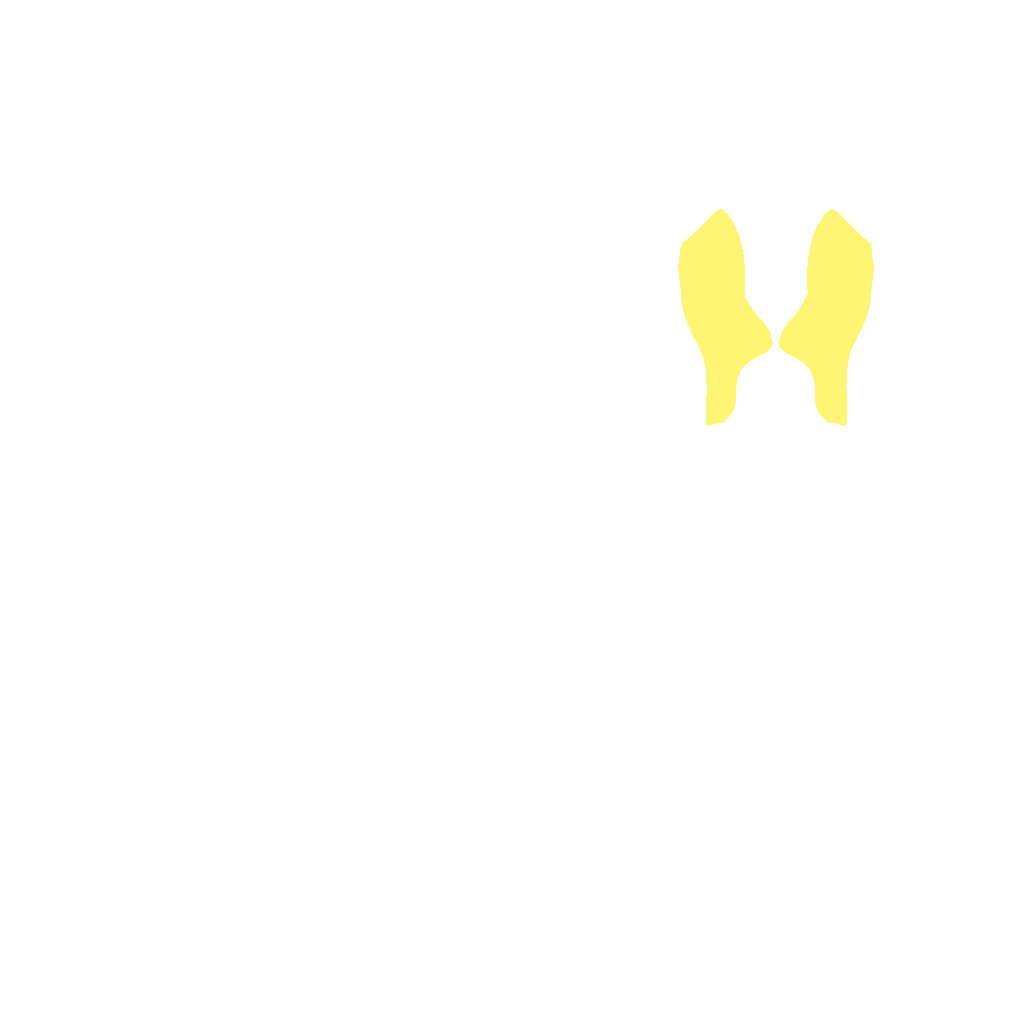
- Deltoid Anterior, Deltoid Middle, Brachioradialis











- Target
- Deltoid Anterior, Deltoid Middle, Brachioradialis
- Secondary
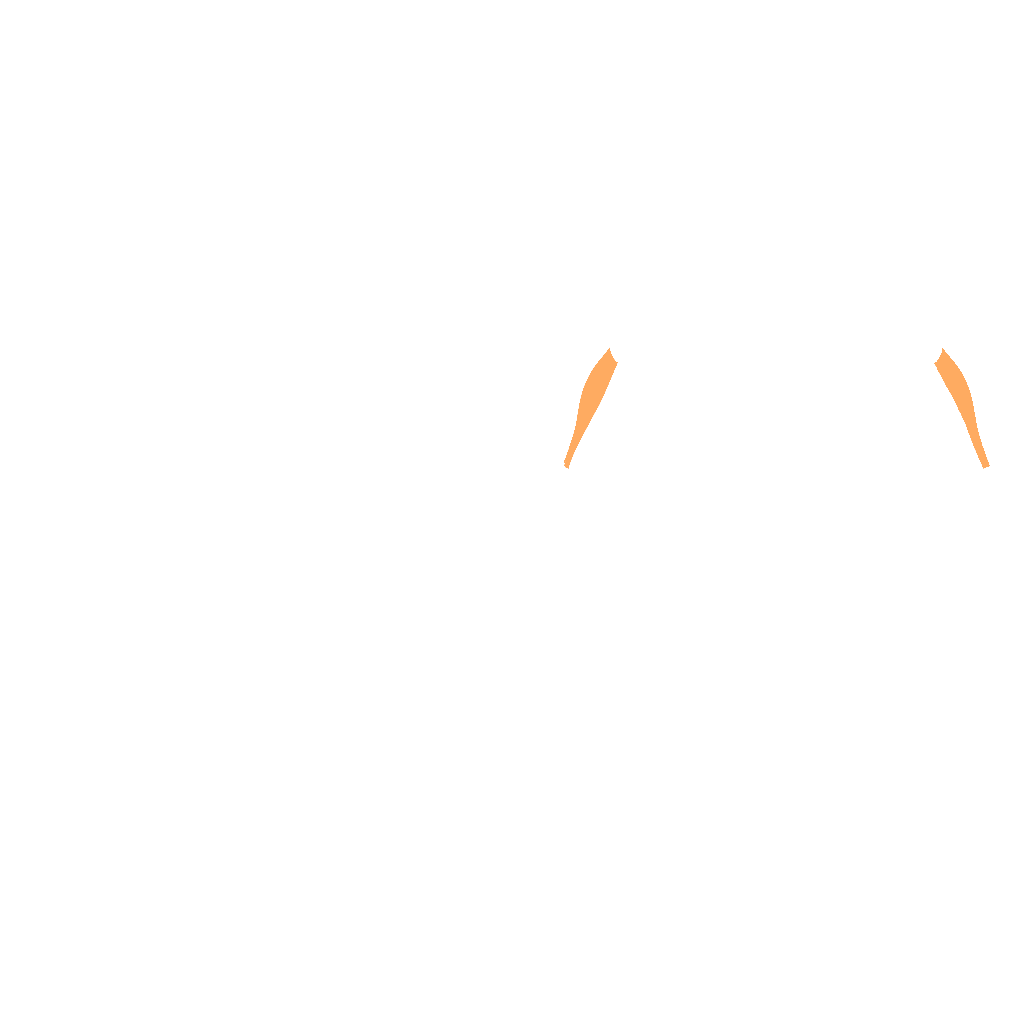
- Extensors, Trapezius Upper, Upper Rectus Abdominals, Lower Rectus Abdominals
- Tertiary
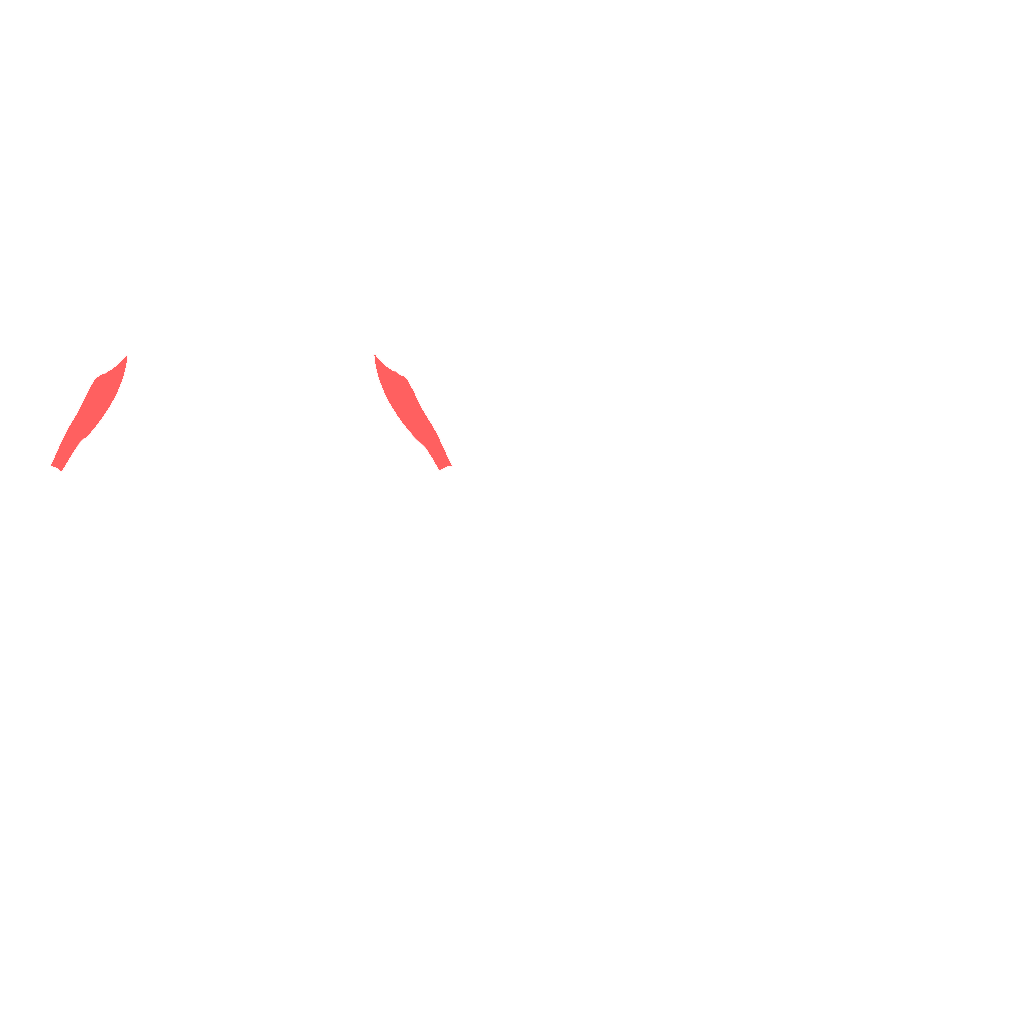
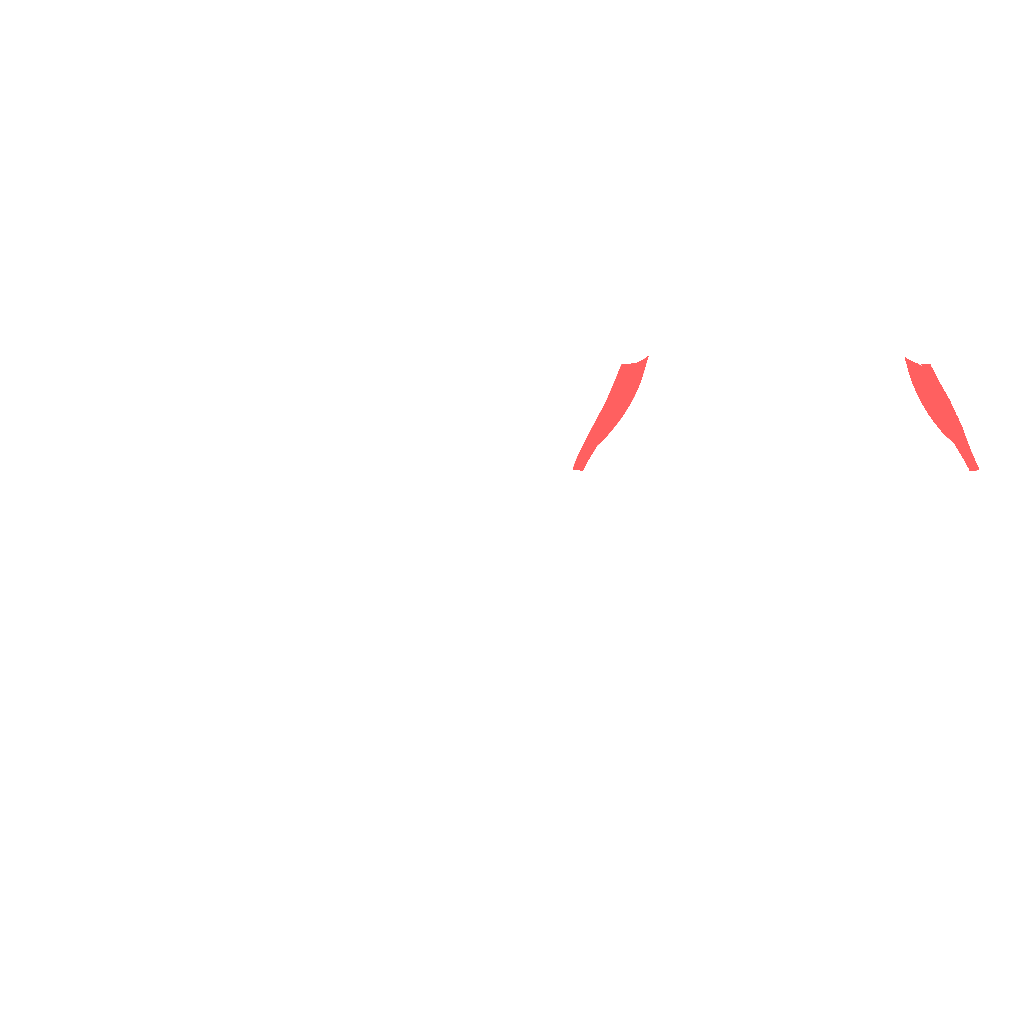
- Latissimus Dorsi, Deltoid Posterior, Gluteus Maximus, Rectus Femoris
How to do it
- 1
Hold one rope end in each hand and step back until there is light tension.
- 2
Set up in an athletic quarter-squat with a braced core.
- 3
Rapidly raise and lower the arms to send alternating waves down the ropes.
- 4
Keep the waves fast and continuous, matching left and right rhythm.
- 5
Stay low in the stance and let the hips and legs anchor you.
- 6
Keep going for the set time, then rest and repeat.
Tips
- Drive the waves from the shoulders with a firm grip rather than flopping the whole arm.
- Stay in the athletic stance with soft knees so the trunk stays stable.
- Aim to send the wave all the way to the anchor, not just flick the rope near your hands.
Variations
Common mistakes
- Alternating waves slip out of phase until both arms rise together, which turns a steady rhythm into a double slam and hands each shoulder a rest on every beat.
- One hand rides higher than the other, so one rope runs a tall wave and the other a ripple, and a single shoulder does most of the work for the whole interval.
- The heels lift and you end up on the toes, which takes away the stable base the arms are pushing against.
- A full minute at a comfortable pace turns this into an arm jog; the ropes do their work in short bursts where the waves stay tall and fast.
Frequently asked
- How long should a battle rope wave interval be?
- Aim for around three minutes of total wave time in a session, cut into whatever pieces keep the ropes moving fast: six rounds of 30 seconds, or ten rounds of 20, resting two to three times as long as you work. If the ropes are new to you, start closer to two minutes of total work. Build by adding total time at the same intensity rather than dragging out single rounds until the waves flatten.
- What can I do instead of battle rope waves without ropes?
- Anchor a long resistance band low, hold one end in each hand and pump the arms fast for the same intervals; the constant tension is close and the shoulders burn in the same place. Fast alternating punches with 2 to 4 kg dumbbells are the other option, and a thick anchored climbing rope does the job if your gym has one.
- What are battle rope waves good for?
- They are conditioning for the shoulders, arms and grip with no impact and no lowering phase, which makes them a useful way to raise the heart rate when running or jumping is off the table, and a straightforward finisher. They build no strength, so they cannot replace pressing or pulling, and they are a poor choice right before overhead work or heavy pulling, when the shoulders and grip need to be fresh.
Related exercises
Other movements among FitRay's 2,000+ exercises that load the same target muscle — same equipment and level first.
- IntermediateBattle Rope CirclesRope · Forearms · Shoulder
- IntermediateBattle Rope Grappler ThrowRope · Abs · Shoulder
- IntermediateBattle Rope In-and-OutRope · Chest · Shoulder
- IntermediateBattle Rope Jumping JacksRope · Calves · Shoulder
- IntermediateBattle Rope Reverse Lunge WaveRope · Quads · Shoulder
- IntermediateBattle Rope Side SlamRope · Abs · Shoulder