Battle Rope In-and-Out
The in-and-out drive swings both arms apart and back together in the horizontal plane, so the ropes fan out wide then snap in, loading the rear delts on the way out and the chest and front delts on the way in. Training horizontal abduction and adduction under fatigue makes it a well-rounded shoulder conditioner that balances the front-heavy pressing most lifters live in. Slot it into a conditioning circuit for shoulders that are both strong and durable.
- Equipment
- Rope
- Type
- Cardio, Functional
- Browse by muscle
- Deltoid Anterior, Deltoid Posterior, Pectoralis Major Sternocostal
- Browse by movement
- Horizontal Press, Horizontal Pull










- Target
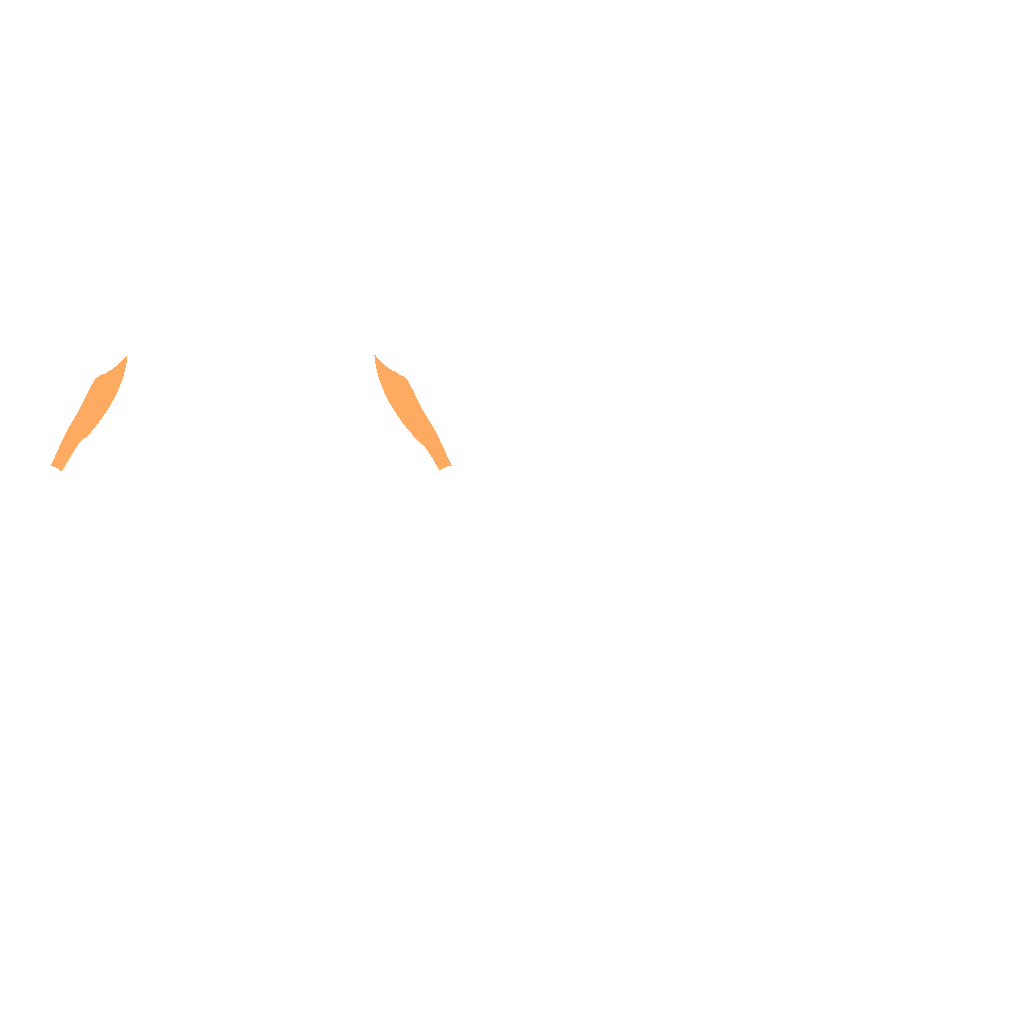
- Deltoid Anterior, Deltoid Posterior, Pectoralis Major Sternocostal
- Secondary
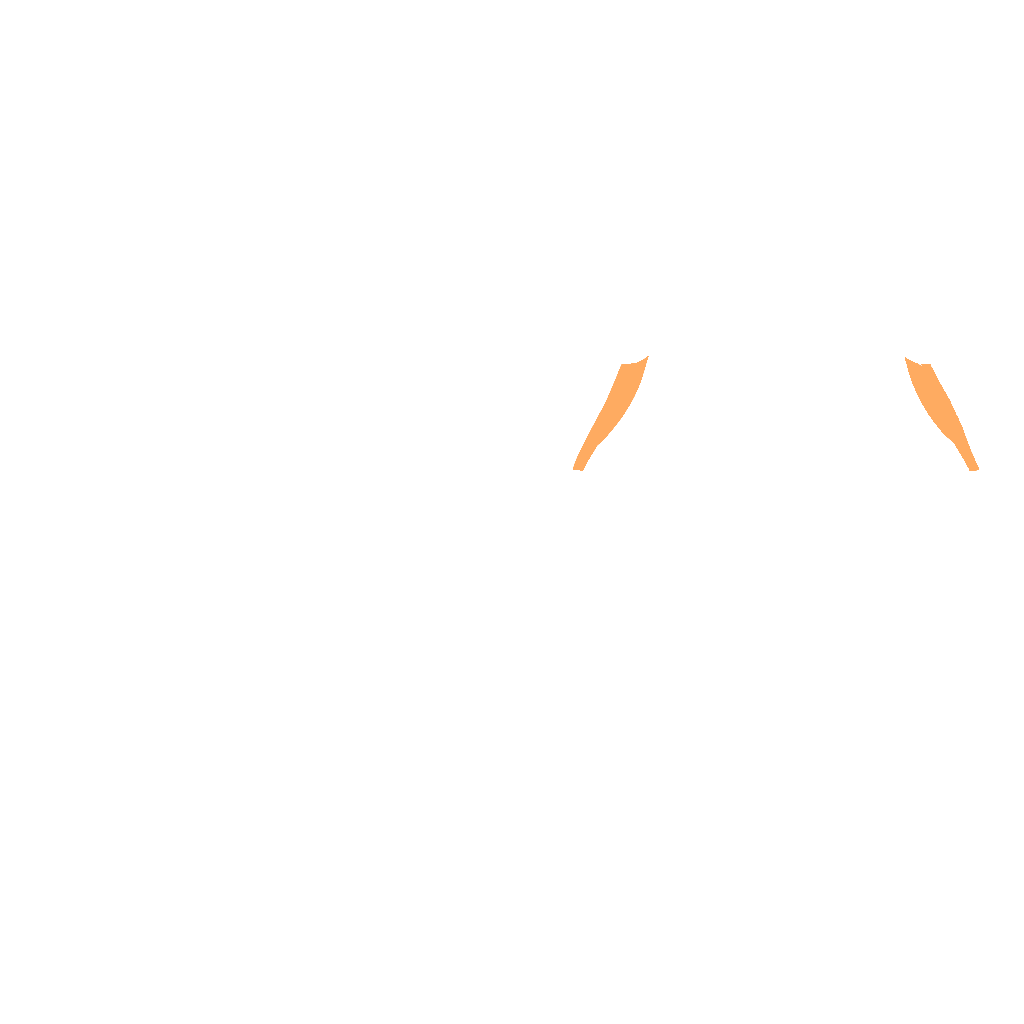
- Deltoid Middle, Brachioradialis, Extensors, Trapezius Middle
- Tertiary
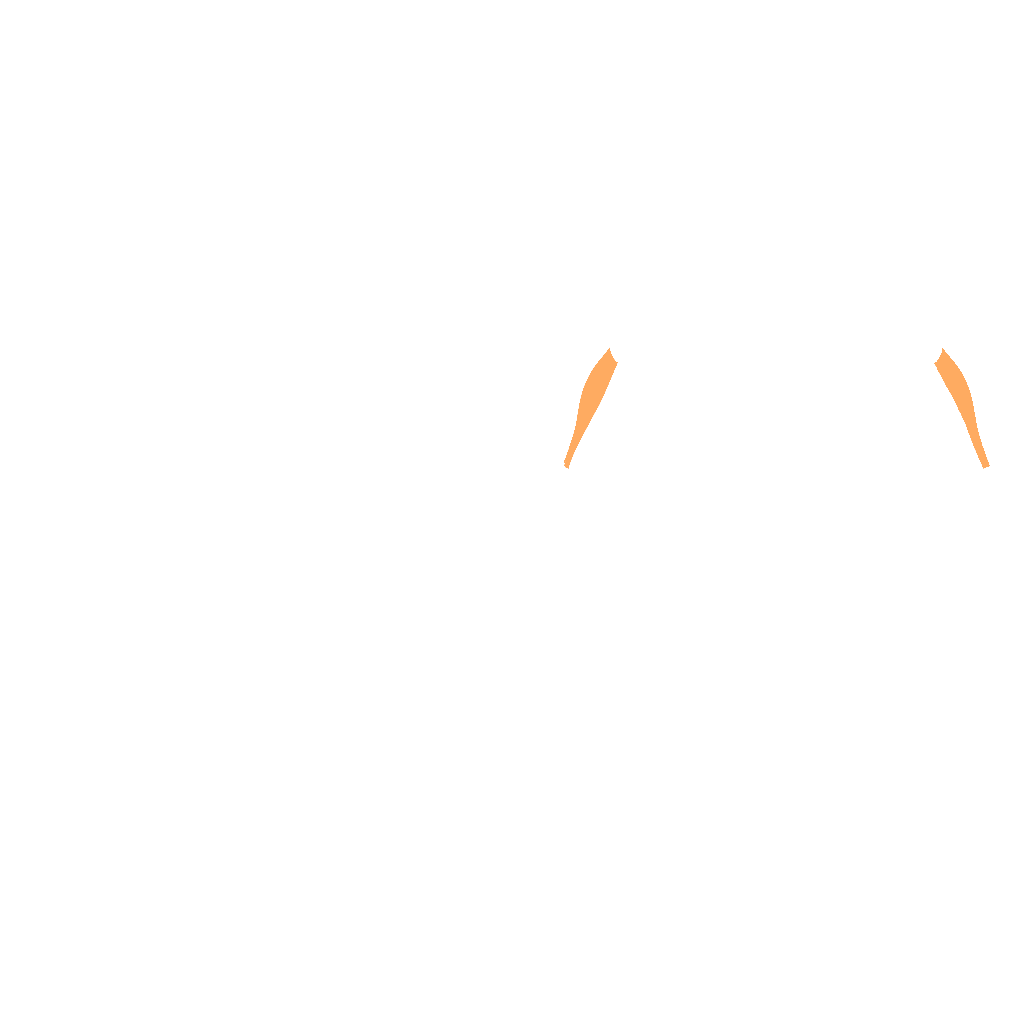
- Upper Rectus Abdominals, Rectus Femoris, Erector Spinae
How to do it
- 1
Hold one rope end in each hand with arms out in front at chest height.
- 2
Set an athletic stance with the core braced and knees soft.
- 3
Fling both arms open to the sides so the ropes fan outward.
- 4
Reverse quickly and swing the arms back together in front of you.
- 5
Keep the elbows slightly bent and the ropes whipping the whole time.
- 6
Maintain the open-and-close rhythm for the set interval.
Tips
- Squeeze the shoulder blades as the arms open to load the rear delts and mid-back.
- Bring the arms together with intent so the chest works on the way in.
- Keep a soft bend in the elbows so the shoulders, not the joints, take the work.
Variations
Common mistakes
- The elbows lock straight as the arms fling open, so the elbow joints absorb the whip instead of the shoulders.
- The arms barely spread past shoulder width before reversing, so the rear delts never reach the wide stretch the drill is built on.
- The torso rocks backward to help fling the arms open, turning shoulder work into a body-momentum swing.
- Once the rhythm speeds up past a controlled pace, the ropes stop whipping and start flopping, which drains tension from the whole set.
Frequently asked
- How long should you do the battle rope in-and-out for when you are new to the exercise?
- Start with 4-5 rounds of 15-20 seconds of controlled open-and-close waves, resting 30-45 seconds between rounds so the elbows keep their soft bend for every rep. Add a round before you chase a longer single interval, since a tired, straight-armed swing does more for the elbows than the shoulders.
- What can you use instead of battle ropes for the in-and-out?
- Standing cable or band flyes, opened wide and brought back together at chest height, train the same horizontal abduction-and-adduction pattern. With no equipment at all, wide arm swings holding a light towel or a pair of socks between the hands keep the rear-delt-to-chest rhythm without any load.
- What is the battle rope in-and-out good for, and who should skip it?
- It balances out the front-heavy pressing most lifters already do by loading the rear delts and mid-back as hard as the chest. Skip it, or keep the range shorter, if the front of the shoulder is already irritated from pressing, since a fatigued, ballistic swing here loads the joint instead of the muscle.
Related exercises
Other movements among FitRay's 2,000+ exercises that load the same target muscle — same equipment and level first.