Battle Rope Jumping Jacks
Battle rope jumping jacks stack a lower-body jumping-jack rhythm under continuous rope waves, so the shoulders and grip work overhead while the calves, hips, and lungs drive the bounce. The combination turns a local arm burner into a true full-body cardio hit that spikes the heart rate fast. It is a coordination-demanding finisher best saved for short, all-out intervals.
- Equipment
- Rope
- Type
- Cardio, Plyometric
- Browse by muscle
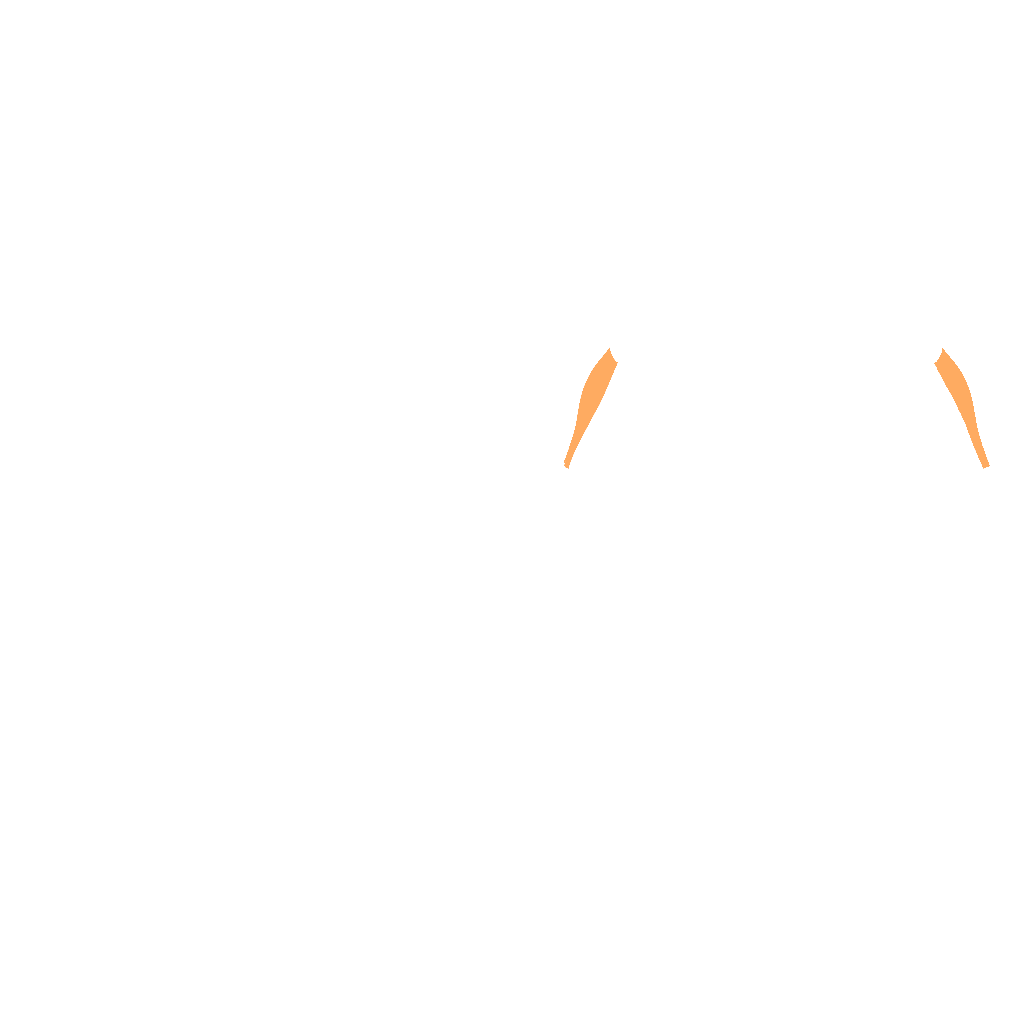
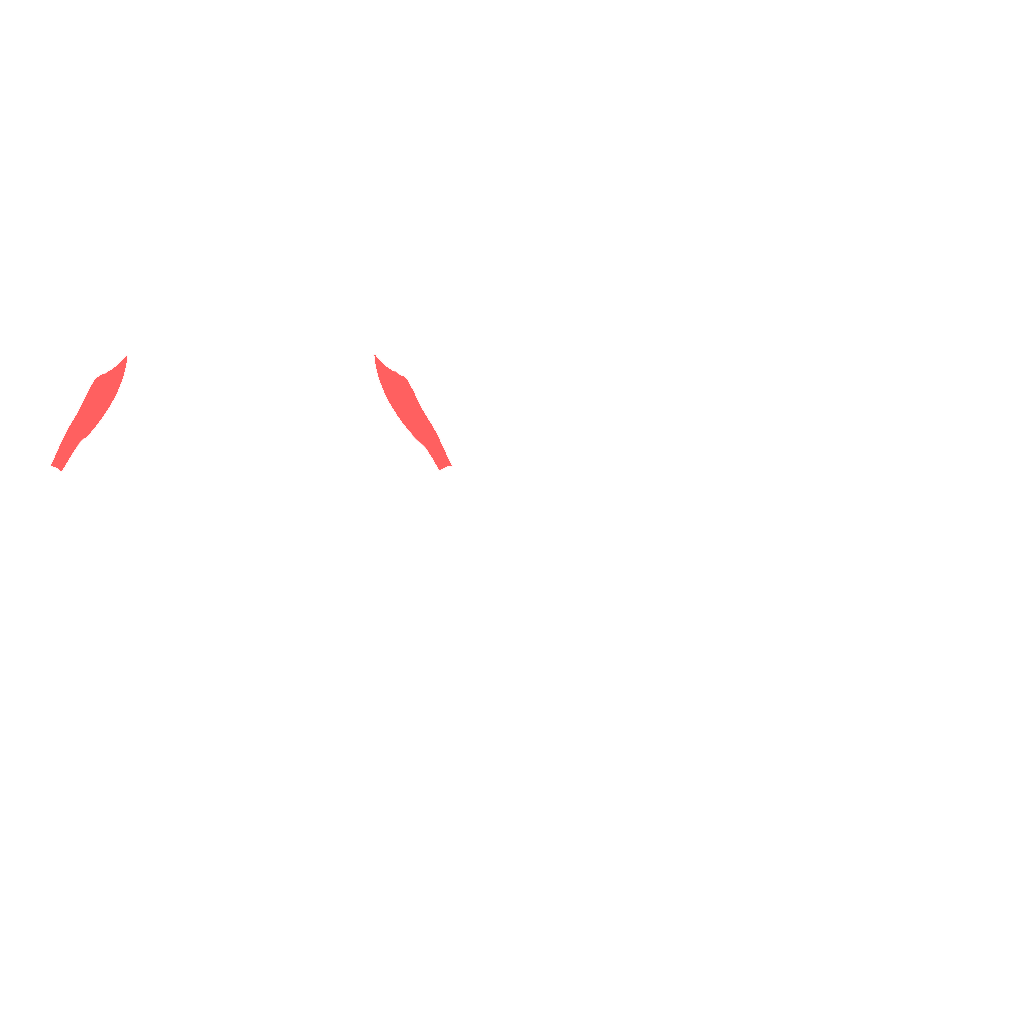
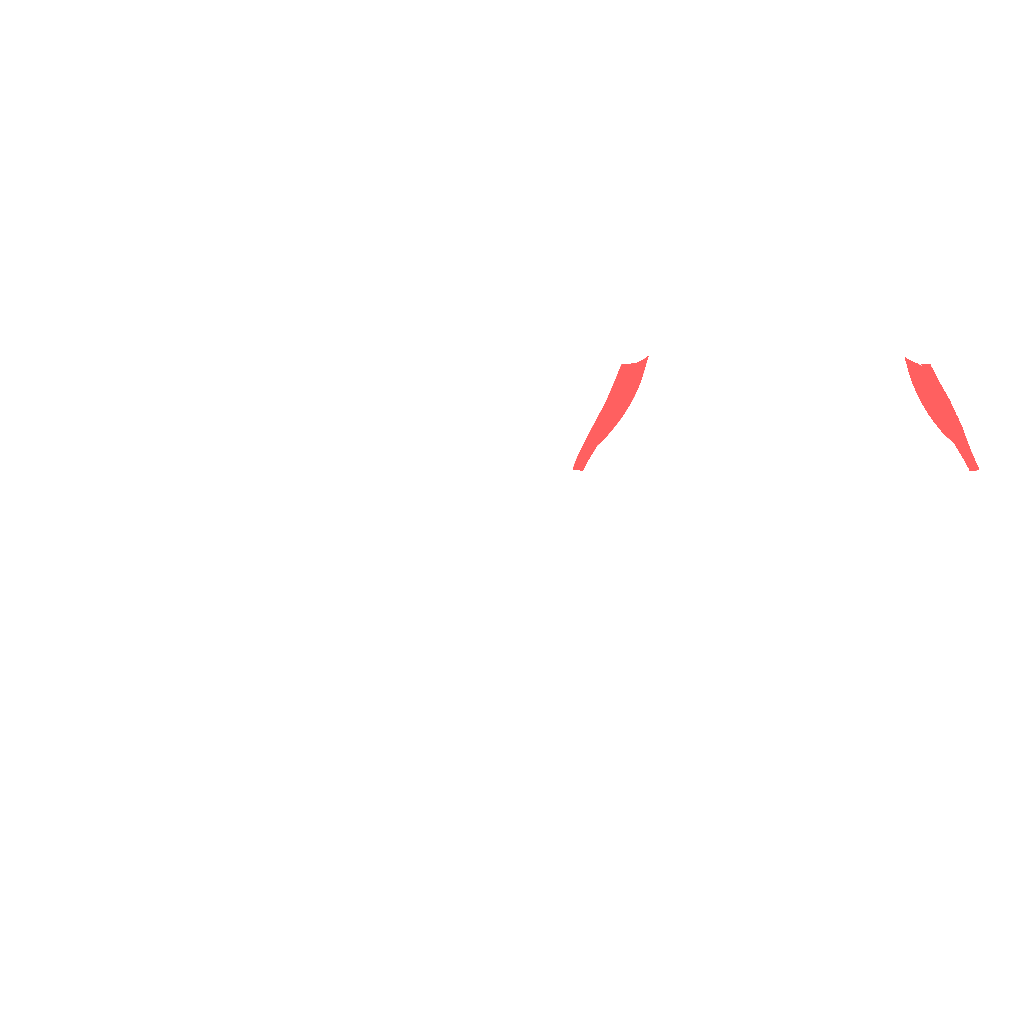
- Deltoid Anterior, Deltoid Middle, Brachioradialis










- Target
- Deltoid Anterior, Deltoid Middle, Brachioradialis
- Secondary
- Gastrocnemius Medial Head, Gastrocnemius Lateral Head, Gluteus Medius, Extensors
- Tertiary
- Rectus Femoris, Soleus Gastrocnemius, Upper Rectus Abdominals
How to do it
- 1
Hold one rope end in each hand and start in an athletic stance with feet together.
- 2
Begin small, fast waves to keep both ropes moving.
- 3
Jump the feet out wide and back together in a jumping-jack rhythm.
- 4
Keep the arms waving the ropes independently of the leg bounce.
- 5
Stay light on the balls of the feet and land softly through the calves.
- 6
Keep the ropes and the footwork going together for the set interval.
Tips
- Start the rope waves first, then layer the footwork in once the rhythm is steady.
- Land softly on the balls of the feet to spare the knees and keep the pace up.
- Keep the waves small and quick so you can sustain both actions at once.
Variations
Common mistakes
- Standing at the wrong distance from the anchor, so the ropes are either taut and refuse to wave or so slack that the ends pile up at your feet.
- Squeezing the handles in a death grip, which burns the forearms out well before the interval is over; hold them like hammers, firmly but loose.
- Letting the waves die every time the feet jump out, which is the whole exercise; the arms have to keep working while the legs move.
- Timing each wave to land with the jump so the whole body bounces as one unit, which shrinks the wave and hardens the landings.
- Bending forward at the waist as you fatigue, which drops the wave height and loads the low back while you are still jumping.
- Running the interval long past the point where the rope goes ragged and the feet get heavy; short and sharp beats long and sloppy here.
Frequently asked
- How long should a set of battle rope jumping jacks be?
- Work in intervals: 20 seconds on, 40 seconds off, for 6 to 10 rounds. Start at 15 seconds if the coordination is new, because technique falls apart before the lungs do. Push the work interval to 30 seconds before you shorten the rest. Two of these sessions a week is plenty on top of strength training, and they belong at the end of a workout, not before anything that needs fresh shoulders.
- What can I do instead of battle rope jumping jacks without ropes?
- Do standard jumping jacks holding a light dumbbell in each hand, which keeps some shoulder work without the rope, or alternate 20 seconds of jacks with 20 seconds of banded punches or fast band pull-aparts. A heavy towel looped over a rail and waved gives a surprisingly close feel. Kettlebell swings paired with jacks cover the same conditioning goal when shoulder endurance is not the point.
- Who are battle rope jumping jacks for?
- They are a conditioning finisher: the ropes give the shoulders and grip a continuous load while the jumping keeps the heart rate high, which builds work capacity and coordination together. Athletes and anyone who likes intervals get the most from them. They are a poor choice right after heavy pressing or pulling, when the shoulders and grip are already spent, and they build no strength, so treat them as cardio with an arm burn attached.
Related exercises
Other movements among FitRay's 2,000+ exercises that load the same target muscle — same equipment and level first.
- IntermediateBattle Rope CirclesRope · Forearms · Shoulder
- IntermediateBattle Rope Grappler ThrowRope · Abs · Shoulder
- IntermediateBattle Rope In-and-OutRope · Chest · Shoulder
- IntermediateBattle Rope Reverse Lunge WaveRope · Quads · Shoulder
- IntermediateBattle Rope Side SlamRope · Abs · Shoulder
- IntermediateBattle Rope Side-to-Side WavesRope · Abs · Shoulder