Bound Warrior I
Adding a behind-the-back bind to Warrior I stretches the chest and front of the shoulders while the legs keep working hard. The clasped, straight arms draw the shoulders open as an antidote to hunched posture, and the front-leg quads and glutes sustain the deep lunge. Warm the shoulders first, since the bind adds real demand on the chest and biceps tendons.
- Equipment
- Body Weight
- Type
- Balance, Stretching, Yoga
- Browse by muscle
- Vastus Lateralis, Rectus Femoris, Gluteus Maximus





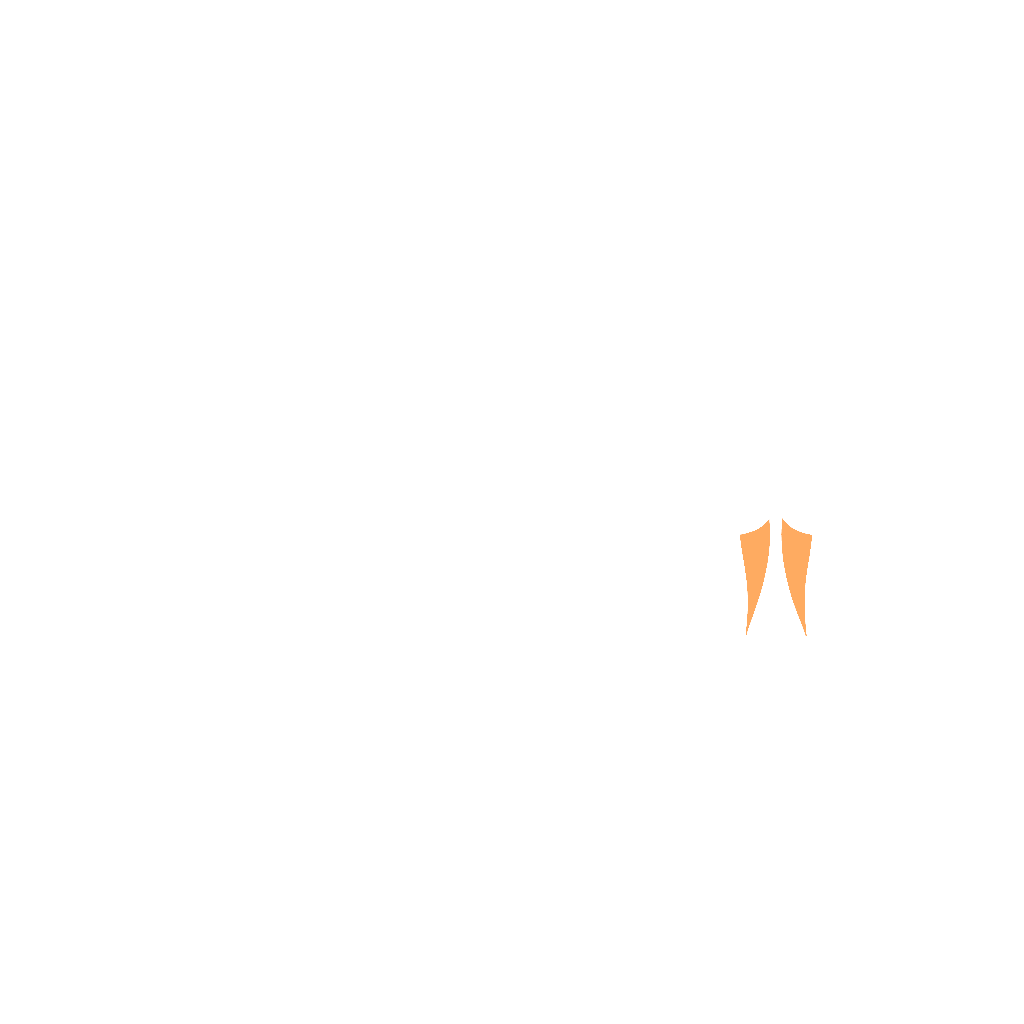



- Target
- Vastus Lateralis, Rectus Femoris, Gluteus Maximus
- Secondary
- Deltoid Anterior, Pectoralis Major Clavicular, Adductor Magnus
- Tertiary
- Erector Spinae
How to do it
- 1
Set up in Warrior I with the front knee bent over the ankle and hips squared forward.
- 2
Reach both arms behind the back and interlace the fingers.
- 3
Straighten the arms and draw the knuckles down and away to open the chest.
- 4
Lift the sternum and lengthen the spine tall out of the pelvis.
- 5
Keep pressing the back heel down as the chest broadens with each breath.
- 6
Release the bind, step to standing, and repeat on the second side.
Tips
- If the fingers do not clasp, hold a strap between the hands so the shoulders can still open.
- Keep the front ribs drawing in so the backbend spreads through the whole spine, not just the low back.
- Maintain a strong back leg by pressing the outer edge of the rear foot into the mat.
Variations
Common mistakes
- Once the fingers interlace, the usual instinct is to lean the whole trunk backward to feel the chest open, when the opening comes from the sternum lifting.
- The clasp sits low behind the hips, which rolls the shoulders forward and closes the chest that the bind is supposed to open.
- Squeezing the hands together hard shortens the arms and drags the shoulder blades apart; the knuckles reach down and away from the body instead.
- Balance gets harder with the arms behind you, and the common fix is to shorten the stance, which quietly removes the back-leg stretch that makes this Warrior I.
- The front knee drifts and the thigh rises as all the attention moves to the shoulders, so the legs stop working the moment the bind arrives.
Frequently asked
- How long should I hold Bound Warrior I, and what should I be able to do first?
- Own Warrior I for five comfortable breaths on both sides, and be able to clasp the hands behind your back while standing, before you combine them. Then hold three to five breaths per side for two rounds, releasing the bind the moment the legs start to sag. This is a shape to visit briefly and often rather than to grind.
- How do I make Bound Warrior I easier or harder?
- Use a strap, a belt, or a rolled towel between the hands when the fingers do not meet, and let the hands sit wider apart than feels ideal; the shoulders still open. To go further, walk the hands toward each other on the strap over several breaths, deepen the front knee, or lift the clasped hands slightly away from the hips without leaning the trunk.
- What is Bound Warrior I for, and who should skip it?
- It pairs a chest and front-shoulder stretch with sustained leg work, which suits people whose shoulders round forward from desk work and who already find the plain warrior easy. Skip it if you have a history of shoulder dislocation or ongoing impingement pain, since the bind pulls the joint toward its end range with no way to unload quickly. Tingling in the hands means release the clasp.
Related exercises
Other movements among FitRay's 2,000+ exercises that load the same target muscle — same equipment and level first.
- AdvancedBoundingBody Weight · Glutes · Quads
- AdvancedBound Side Angle PoseBody Weight · Quads · Thighs
- AdvancedBound to Vertical JumpBody Weight · Glutes · Quads
- AdvancedCombination BoundBody Weight · Glutes · Quads
- AdvancedControl BalanceBody Weight · Glutes · Hamstring
- AdvancedCross-Legged Get-UpBody Weight · Glutes · Quads