Carioca
The carioca moves you sideways while the trail leg alternates crossing in front of and behind the lead leg, forcing the hips to rotate freely under a stable torso. It loads the adductors and glute medius through a full range and lights up the obliques as you separate the hips from the shoulders. It is a staple dynamic warm-up drill for opening the hips and grooving smooth lateral movement.
- Equipment
- Body Weight
- Type
- Cardio, Functional
- Browse by muscle
- Gluteus Medius, Adductor Longus, Abdominal External Oblique, Rectus Femoris
- Browse by movement
- Gait Drill













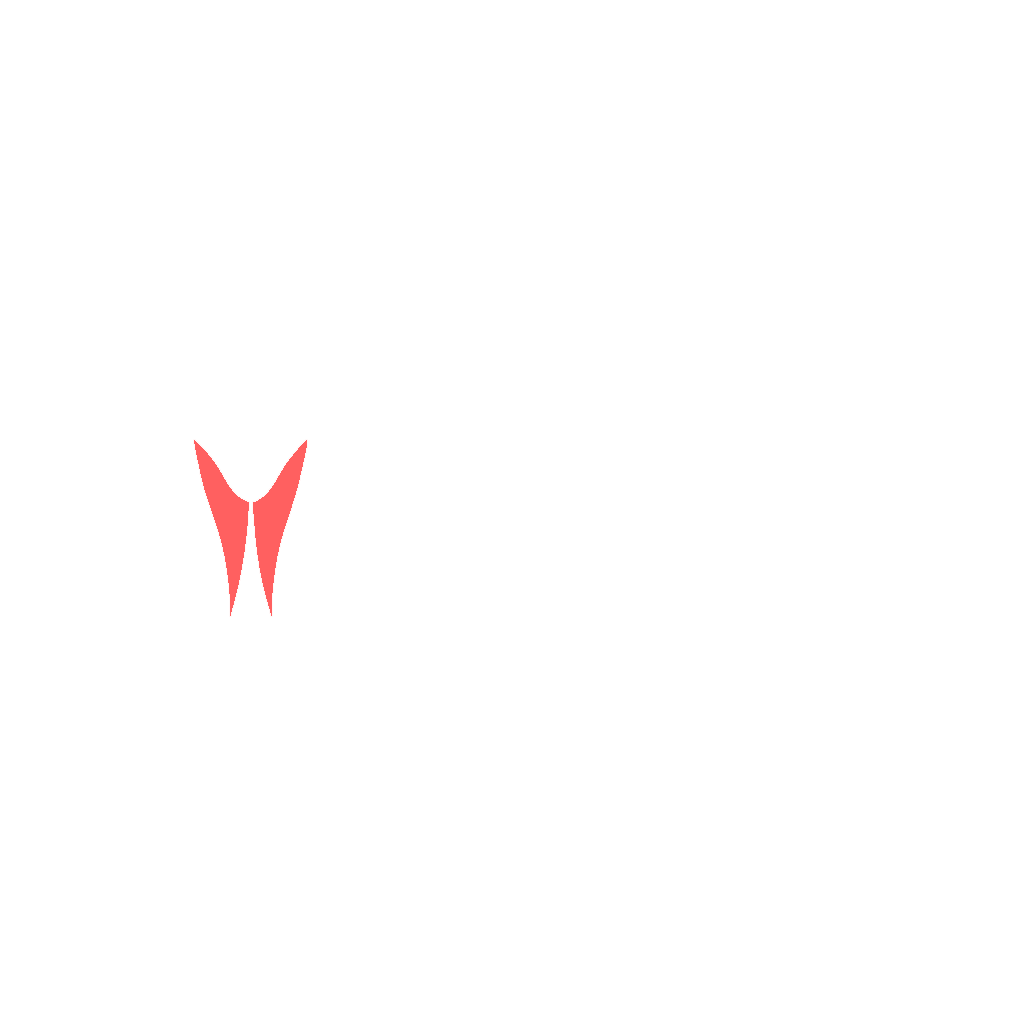


- Target
- Gluteus Medius, Adductor Longus, Abdominal External Oblique, Rectus Femoris
- Secondary
- Adductor Magnus, Gluteus Maximus, Vastus Lateralis, Fibularis Longus, Gastrocnemius Lateral Head, Gastrocnemius Medial Head, Biceps Femoris
- Tertiary
- Soleus Gastrocnemius, Tibialis Anterior, Erector Spinae
How to do it
- 1
Stand tall in an athletic stance and begin traveling to one side.
- 2
Cross the trailing leg in front of the lead leg and step out with the lead leg.
- 3
Now cross the trailing leg behind the lead leg and step out again.
- 4
Let the hips rotate with each cross while keeping the shoulders facing forward.
- 5
Build a smooth, quick over-and-behind rhythm as you cover the distance.
- 6
Reverse direction so both hips rotate through the full pattern.
Tips
- Drive the rotation from the hips and keep the shoulders quiet so you get real hip separation.
- Start slow to groove the front-cross and back-cross sequence, then add speed once the rhythm is automatic.
- Stay on the balls of your feet to keep the crossover light and quick.
Variations
Common mistakes
- The back cross quietly disappears and every step goes in front, which turns the carioca into a run of front crossovers and removes the hip rotation that makes it worth doing.
- The whole body bounces up and down with each cross, so the effort goes vertical and the travel slows to a crawl.
- Steps shrink to a shuffle once the speed climbs, and a short cross does not rotate the hip enough to count. Cross the foot past the midline of the lead leg.
- The eyes stay locked on the feet the whole way, so you never learn to run the pattern with your head up and you drift out of your lane.
- The knees roll inward as the trail leg crosses behind, which is the position that leaves the inside of the knee aching the day after.
Frequently asked
- How much carioca should you do when you are new to the exercise?
- Two to four passes of 15 to 20 yards in each direction is a normal dose inside a movement preparation block, and there is rarely a reason to do more. Run the first pass each way slowly enough to feel both crosses, then let the rhythm speed up. If you are using it as conditioning rather than preparation, work in 20-second bouts with equal rest, six to eight times through. It is a coordination drill, so frequent short exposures beat long sessions.
- How do I make the carioca easier or harder?
- Make it easier by walking the sequence: cross in front, step out with the lead foot, cross behind, step out again, until the order needs no thought. Doing it alongside a line on the floor helps keep the travel straight. To make it harder, drive the trail knee up higher on the front cross so the hip rotation is bigger, pick up the pace until the feet barely touch down, or finish each pass with a five-yard sprint out of the last cross. A high-knee carioca doubles the hip demand once the basic version is smooth.
- What is the carioca good for, and when should you skip it?
- It opens the hips, wakes up the adductors and glute medius, and teaches hips and shoulders to work independently, which is why nearly every field sport uses it before training. It is preparation rather than training: it will not make you stronger or noticeably fitter. Ease off it with a sore groin or adductor, since the crossing step stretches exactly that tissue at speed, and avoid it on slick or uneven ground where a crossed foot can catch. If the pattern makes you stumble, slow right down instead of pushing through at pace.
Related exercises
Other movements among FitRay's 2,000+ exercises that load the same target muscle — same equipment and level first.
- Intermediate5-10-5 Pro Agility ShuttleBody Weight · Glutes · Quads
- Intermediate300-Yard ShuttleBody Weight · Hamstring · Quads
- IntermediateA-SkipBody Weight · Calves · Quads
- IntermediateB-MarchBody Weight · Hamstring · Quads
- IntermediateB-SkipBody Weight · Hamstring · Quads
- IntermediateFast-Leg DrillBody Weight · Hamstring · Quads