Lateral Shuffle
The lateral shuffle is the foundation of change-of-direction movement, teaching you to stay low and push off the outside leg without crossing your feet. It hammers the glute medius and adductors that control side-to-side motion while keeping you in a strong defensive stance. Use it as a warm-up primer or as a conditioning drill over set distances; it fits any athlete who needs to move well laterally.
- Equipment
- Body Weight
- Type
- Cardio, Functional
- Browse by muscle
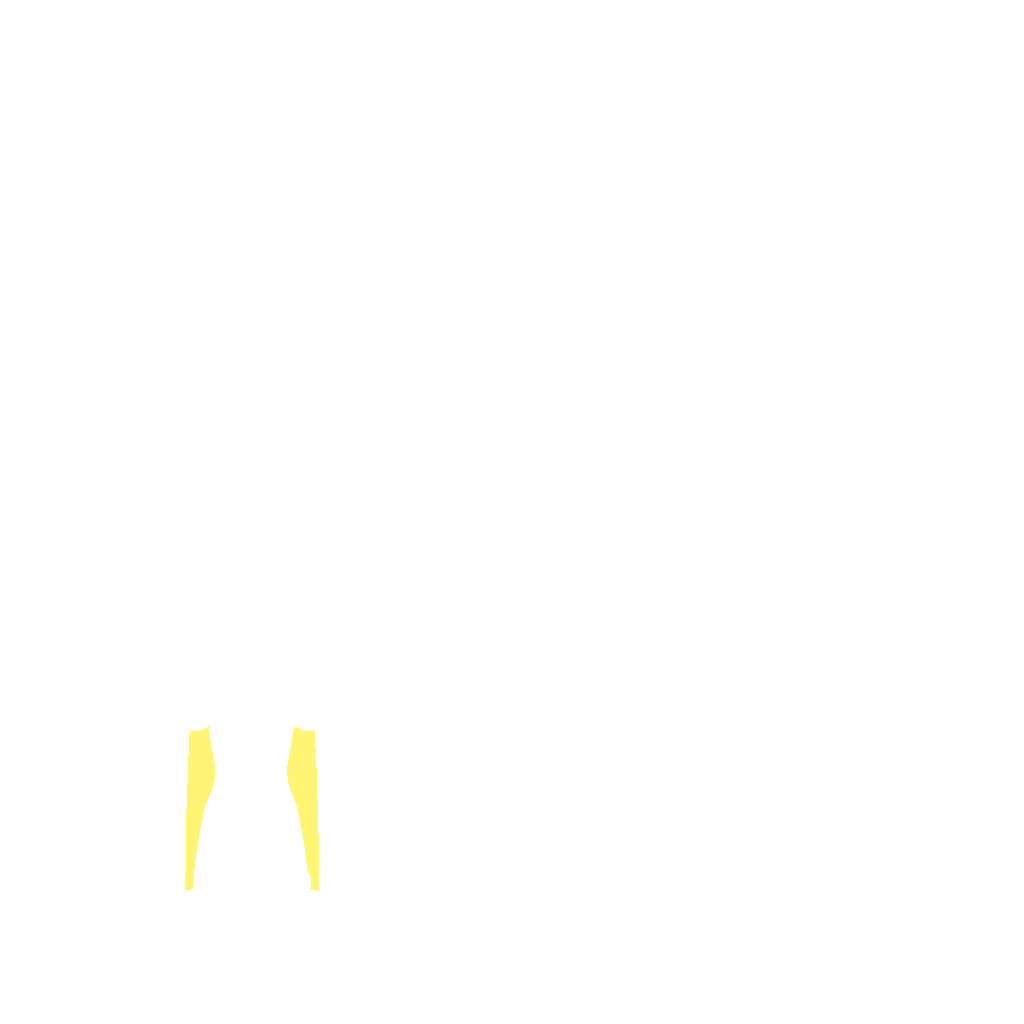
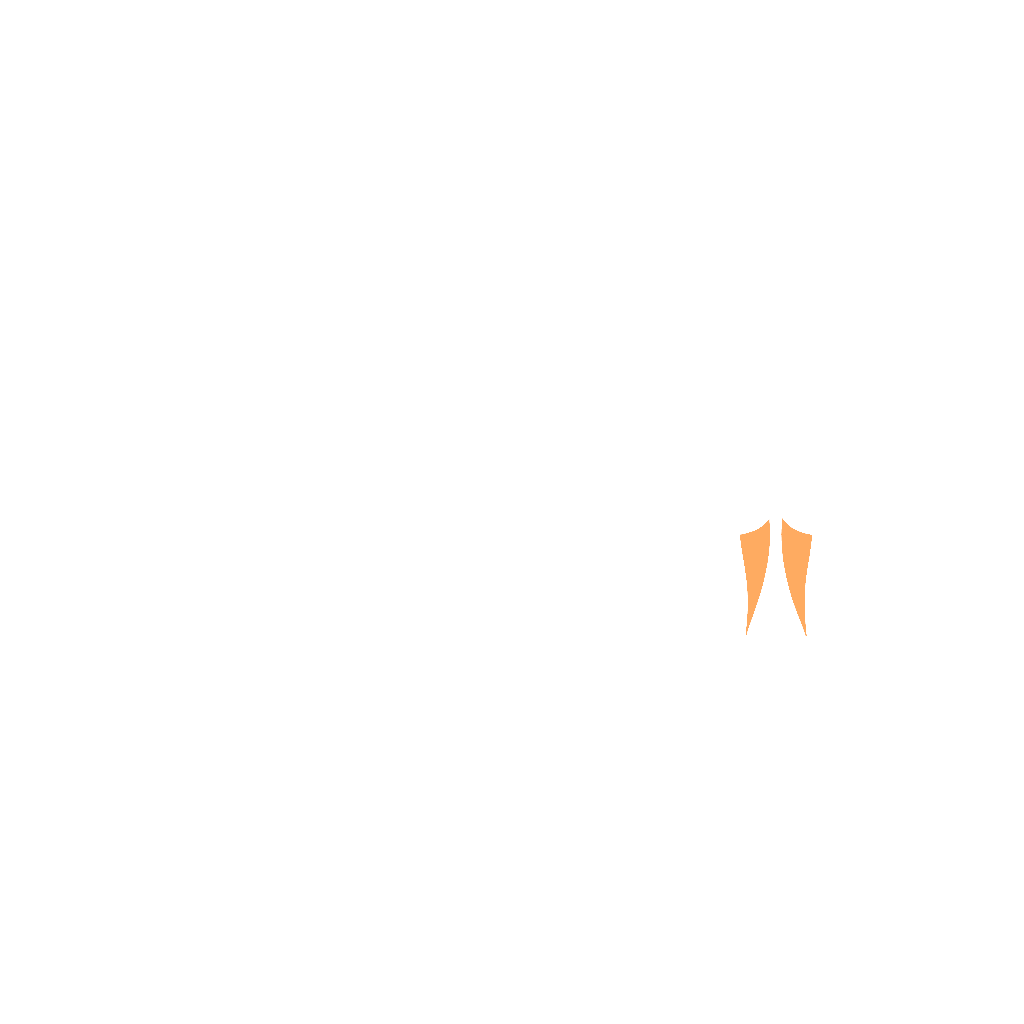
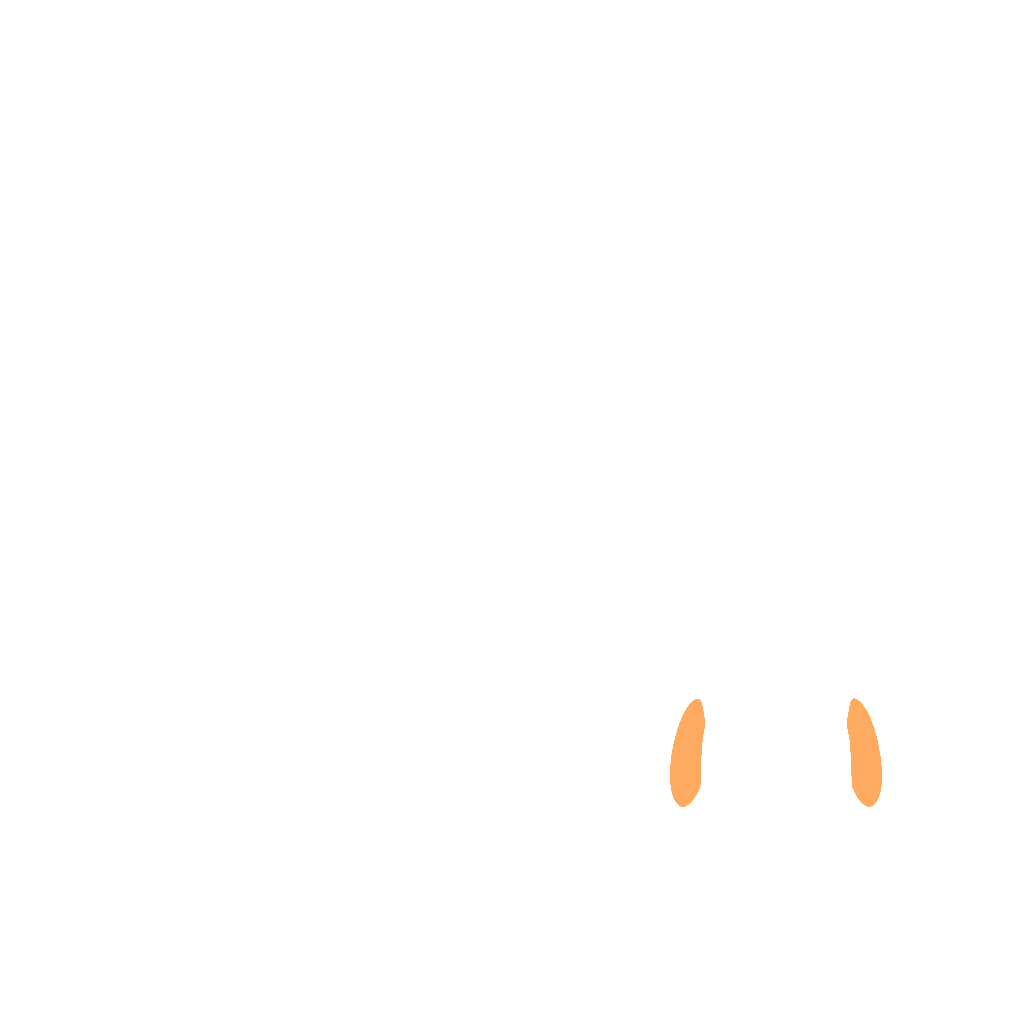
- Gluteus Medius, Vastus Lateralis, Adductor Longus, Rectus Femoris
- Browse by movement
- Gait Drill










- Target
- Gluteus Medius, Vastus Lateralis, Adductor Longus, Rectus Femoris
- Secondary
- Gluteus Maximus, Adductor Magnus, Gastrocnemius Lateral Head, Gastrocnemius Medial Head, Fibularis Longus, Biceps Femoris, Semitendinosus
- Tertiary
- Soleus Gastrocnemius, Tibialis Anterior, Abdominal External Oblique, Erector Spinae
How to do it
- 1
Drop into an athletic stance with feet wider than the hips, knees bent, hips back, and chest tall.
- 2
Push hard off the trailing leg to drive your body sideways toward the lead leg.
- 3
Land softly on the lead foot and let the trailing foot follow without clicking the heels together.
- 4
Keep your weight in the balls of the feet and your hips low the entire time.
- 5
Shuffle a set distance in one direction, then reverse and lead with the other leg.
- 6
Stay square to the front so your shoulders never rotate toward the direction of travel.
Tips
- Push the floor away with the outside leg rather than reaching with the lead foot, which keeps you powerful and balanced.
- Never let your ankles click together; a gap between the feet keeps you ready to change direction instantly.
- Fight the urge to stand up as you fatigue, since a tall stance kills your lateral speed.
Variations
Common mistakes
- The head and hips bob up and down with every step, so the effort goes into the air instead of sideways; keep your head travelling along one level line across the floor.
- Shoulders turn toward the direction of travel, which is one step from running and leaves you flat-footed if you have to reverse; keep the chest square to the front.
- Toes turn out to make the push easier, which puts the knees in a soft position and slows the change of direction. Keep both feet pointing straight ahead.
- Arms hang dead at the sides and the upper body drifts along for the ride; keep them bent and in front of you the way you would defending someone.
- The drill gets run for a full minute and the last thirty seconds are a walk sideways; six to eight passes of twenty to thirty feet keeps every rep sharp.
Frequently asked
- How many lateral shuffles should a beginner do?
- Six to eight passes of about 20 feet each way with 30 to 45 seconds of rest works as preparation before a session or as a drill in its own right. As a conditioning piece, 20 seconds of shuffling and 40 seconds of rest for 6 to 8 rounds keeps the stance low enough to be worth doing. Stop once your hips rise and stay up.
- How do I make the lateral shuffle easier or harder?
- Easier: stand a little taller, shorten the distance, and slow the tempo until the footwork is clean. Harder: drop the hips lower, add a mini band above the knees, hold a light plate at chest height, or shuffle to a partner's hand signal rather than a set distance. Reacting to a call and changing direction is the most sport-like version.
- What is the lateral shuffle good for?
- It trains side-to-side movement, the glute medius and adductors that control it, and the low stance that defending and reacting depend on, which suits court and field athletes and anyone who wants safer lateral movement. It is a poor conditioning choice if you cannot hold that stance, since a tall shuffle is close to walking sideways, and it is not a strength exercise, so you still need loaded lateral work.
Related exercises
Other movements among FitRay's 2,000+ exercises that load the same target muscle — same equipment and level first.