Foam Roll Soleus
The soleus sits under the gastrocnemius and does the quiet work during walking, standing, and heavy calf raises. Rolling it with a bent knee takes the gastroc off tension and lets you reach the deeper tissue. Great for stiff ankles and for lifters who feel calf tightness limiting squat depth.
- Equipment
- Foam Roller
- Body part
- Calves
- Type
- Recovery, Stretching
- Browse by muscle
- Soleus Gastrocnemius


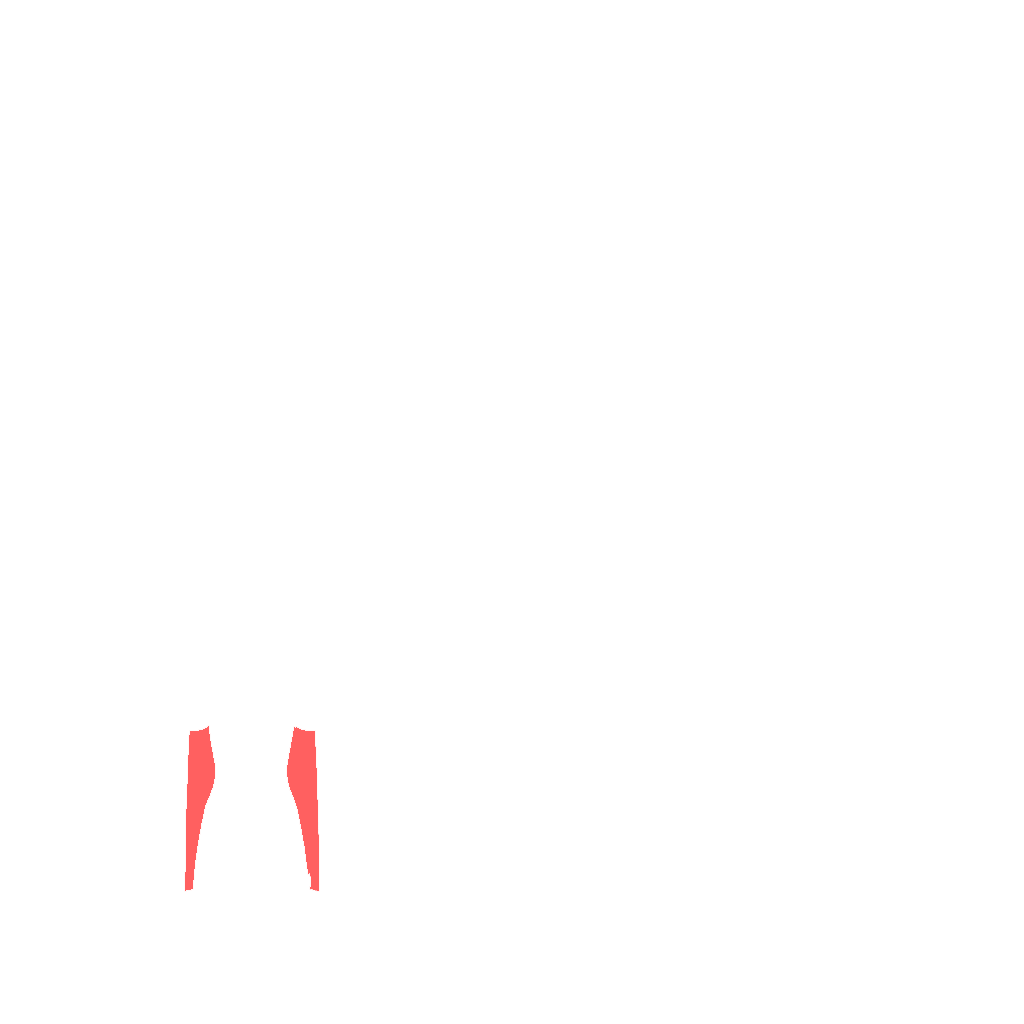
- Target
- Soleus Gastrocnemius
How to do it
- 1
Sit with one lower calf resting on a foam roller and the knee bent to about ninety degrees.
- 2
Cross the other leg over the working shin to add pressure.
- 3
Prop up on your hands and slowly roll the lower half of the calf over the roller.
- 4
Keep the knee bent throughout so tension stays on the soleus rather than the gastrocnemius.
- 5
Pause on tight spots, then work the area for thirty to sixty seconds and switch sides.
Tips
- Point and flex the foot on a tender spot to floss the tissue.
- Focus the lower third of the calf near the Achilles, where the soleus dominates.
- Keep pressure lighter close to the Achilles tendon.
Variations
Common mistakes
- The knee straightens partway through the roll, shifting tension back onto the gastrocnemius and undoing the point of bending it in the first place.
- Only the upper half of the calf near the knee gets worked, missing the lower third where the soleus actually does most of its work.
- Rolling fast back and forth instead of pausing on tight spots turns a targeted release into a quick, ineffective rub.
- Crossing the top leg on with a hard drop of force right away, before finding a comfortable pressure, can make an already tender calf harder to relax into.
Frequently asked
- How long should a beginner foam roll the soleus?
- Give each calf 30 to 45 seconds, pausing on anything tender, before lower-body training or after a heavy calf day. Add a bit more crossed-leg pressure over time instead of speeding up the roll.
- What can I use instead of a foam roller for the soleus?
- A firm ball placed under the seated calf digs into the same tissue with more focused pressure, useful on a very tight day. Without either tool, gentle self-massage with your hands over the lower calf is a reasonable stand-in.
- What does rolling the soleus help with, and when should you skip it?
- It eases the deep calf muscle behind standing and walking, useful for stiff ankles or squat depth limited by calf tightness. Skip it, or go very lightly, if you have a hot, swollen calf or suspect a strain, since firm pressure on a real muscle tear can make the injury worse.
Related exercises
Other movements among FitRay's 2,000+ exercises that load the same target muscle — same equipment and level first.