Boxer Skip
The boxer skip is the relaxed, sustainable style of rope work fighters use to log long rounds without gassing out. By rocking the weight from foot to foot you cut the impact of a straight two-foot bounce, which lets you keep turning the rope for minutes at a time while staying light on the feet. It is a low-stress way to build calf endurance, timing, and aerobic base.
- Equipment
- Jump Rope
- Type
- Cardio
- Browse by muscle
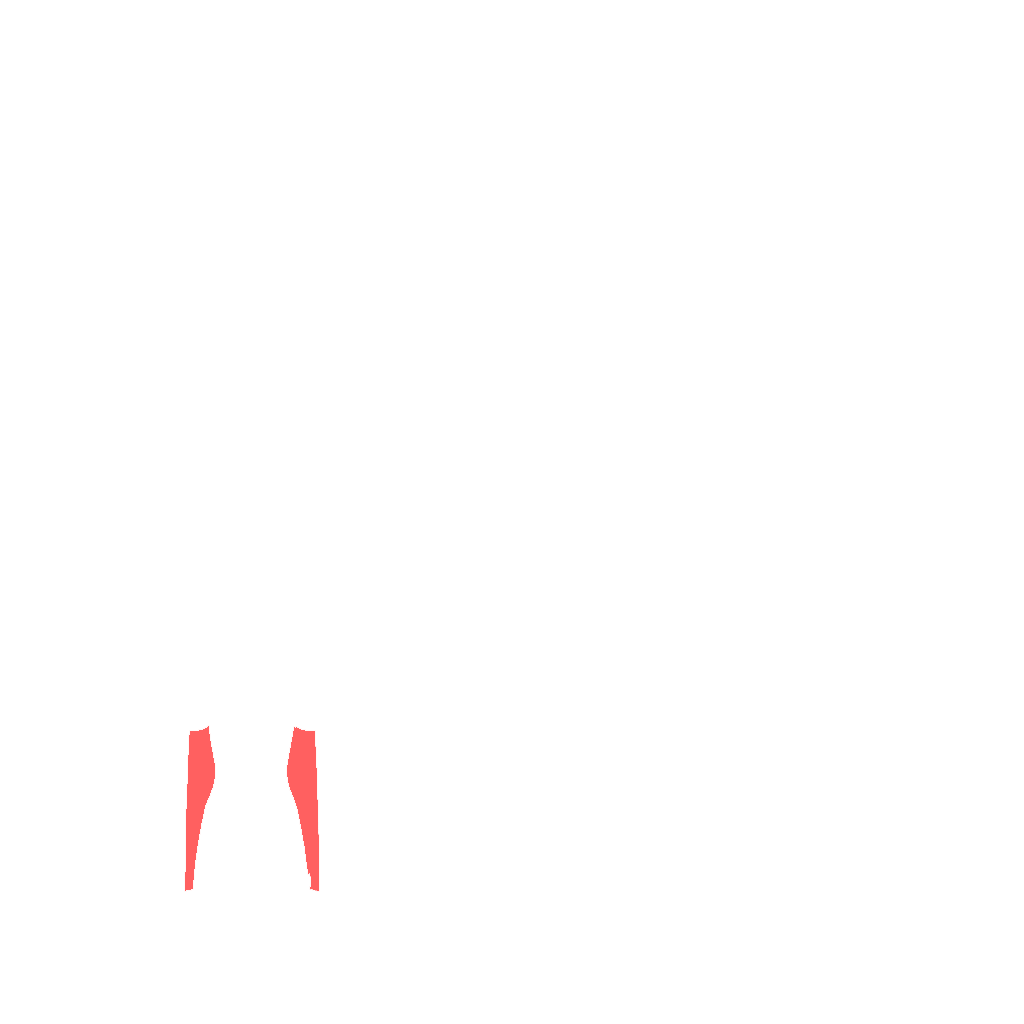
- Gastrocnemius Medial Head, Gastrocnemius Lateral Head, Soleus Gastrocnemius
- Browse by movement
- Gait Drill







- Target
- Gastrocnemius Medial Head, Gastrocnemius Lateral Head, Soleus Gastrocnemius
- Secondary
- Rectus Femoris, Vastus Lateralis, Fibularis Longus, Tibialis Anterior
- Tertiary
- Brachioradialis, Extensors, Deltoid Middle
How to do it
- 1
Hold the handles at hip height with the elbows tucked near your ribs.
- 2
Turn the rope with the wrists and shift your weight onto one foot as it passes.
- 3
Let the free foot tap or hover, then switch your weight to it on the next turn.
- 4
Keep a smooth, unhurried rock from side to side in time with the rope.
- 5
Stay tall on the balls of the feet and breathe in an easy rhythm.
- 6
Wind down by slowing the turns until you step out cleanly.
Tips
- Keep the bounce shallow; this is a light shuffle, not an explosive jump.
- Let the wrists do the work so the shoulders can stay loose over a long round.
- Find a metronome-steady tempo you could hold for several minutes rather than sprinting the rope.
Variations
Common mistakes
- The tempo creeps up until the shuffle becomes a run on the spot with the knees climbing, and a round meant to last three minutes ends at ninety seconds.
- The free foot slaps down instead of hovering, so every turn of the rope carries two impacts rather than one and the round gets noisy and tiring.
- Breathing goes ragged because the pace was set by a song rather than by your lungs. Pick a tempo you can breathe through in the first minute, since that is the one you will still be holding in the third.
- Concrete is a poor floor for a long round, because even a shallow bounce repeated for minutes adds up in the shins. A wooden floor, a rubber surface or a thin mat is worth seeking out.
- The same foot takes most of the landings once you tire, so one calf does the bulk of a long round. The rock should stay even, a half-beat on each foot.
Frequently asked
- How long should a beginner do the boxer skip for?
- Three rounds of one to two minutes with a minute of rest between them is a realistic start, building toward the three-minute rounds fighters use. Count time, not skips: this style exists to keep you turning the rope for long stretches, so a good round is one where the tempo at the end matches the tempo at the start. Add 30 seconds per round each week, and only once you can hold five three-minute rounds should you think about adding speed or footwork variations.
- What can I use instead of a rope for the boxer skip?
- A plain PVC or beaded rope costs very little, so replacing it is usually the wrong call. Stuck without one, three-minute rounds of shadow boxing with the same rock from foot to foot train the footwork and the pacing, and a light bounce in place with the hands held at guard keeps the calves working. For the conditioning side alone, an easy ten-minute jog at a pace you could talk through covers similar ground. What none of these give you is the timing pressure of a turning rope, which is half the reason fighters use it.
- What is the boxer skip good for, and when is it not the right fit?
- It is the pacing tool of rope work: a rhythm light enough to hold for three-minute rounds, which builds aerobic base, calf endurance and a relaxed tempo you can breathe through. Fighters use it between harder rounds for exactly that reason, and it suits anyone who wants low-impact cardio that leaves the knees alone. It is the wrong choice when you want a hard interval, because the movement is designed to stay submaximal; high knees or double-unders fit that job. It is also not the simplest entry point, since a plain two-foot bounce is easier to time.
Related exercises
Other movements among FitRay's 2,000+ exercises that load the same target muscle — same equipment and level first.
- BeginnerBell Jump RopeJump Rope · Calves
- BeginnerJump Rope Calf BounceJump Rope · Calves
- BeginnerSkier Jump RopeJump Rope · Calves · Glutes
- IntermediateCriss-Cross Jump RopeJump Rope · Calves · Forearms
- AdvancedDouble-UnderJump Rope · Calves · Quads
- IntermediateHigh-Knee Jump RopeJump Rope · Calves · Quads