Half-Moon Pose
Half-Moon takes the standing balance one step further by opening the whole body to the side while poised on one leg. The standing-leg glute medius and quad work hard to hold the pelvis level and the joint steady, while the obliques keep the torso from folding down. It sharpens frontal-plane balance and hip control, so build it after Warrior III and Tree feel solid.
- Equipment
- Body Weight
- Type
- Balance, Stretching, Yoga
- Browse by muscle
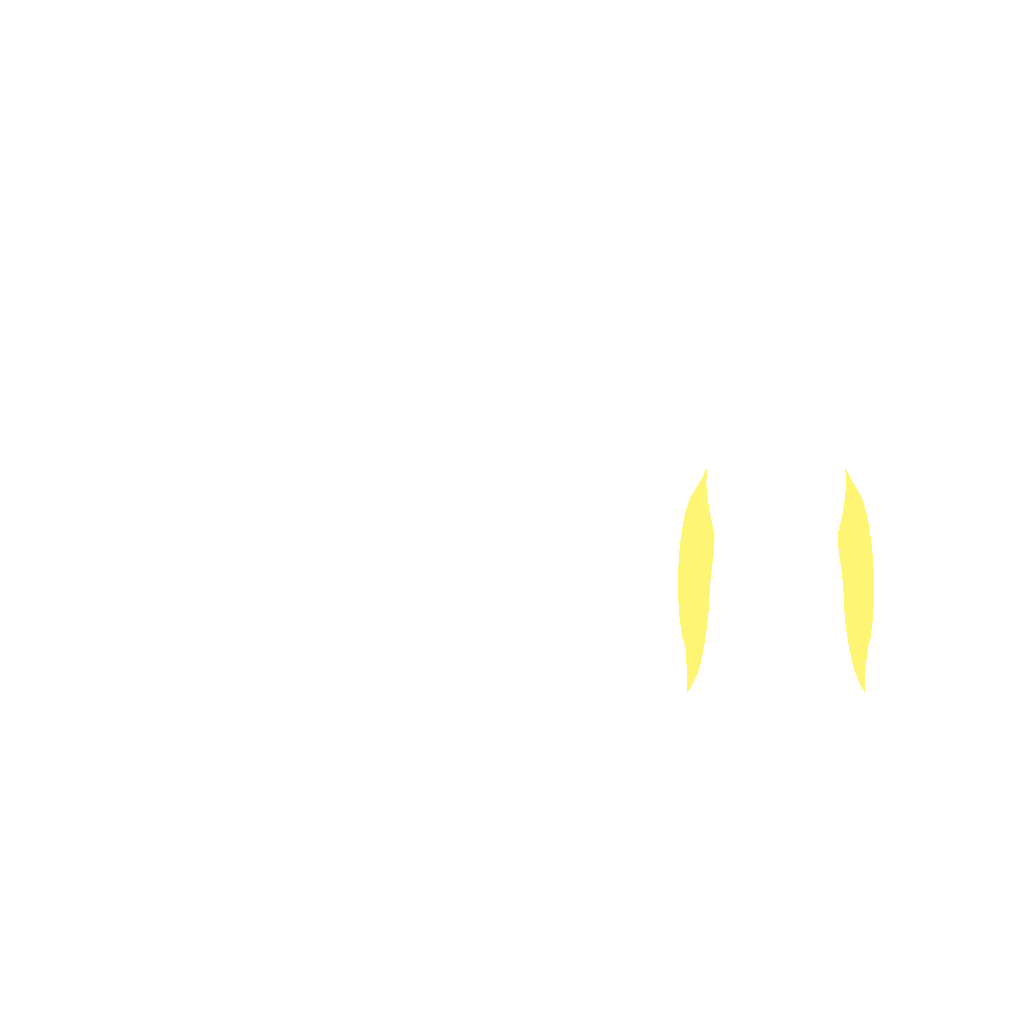
- Gluteus Medius






- Target
- Gluteus Medius
- Secondary
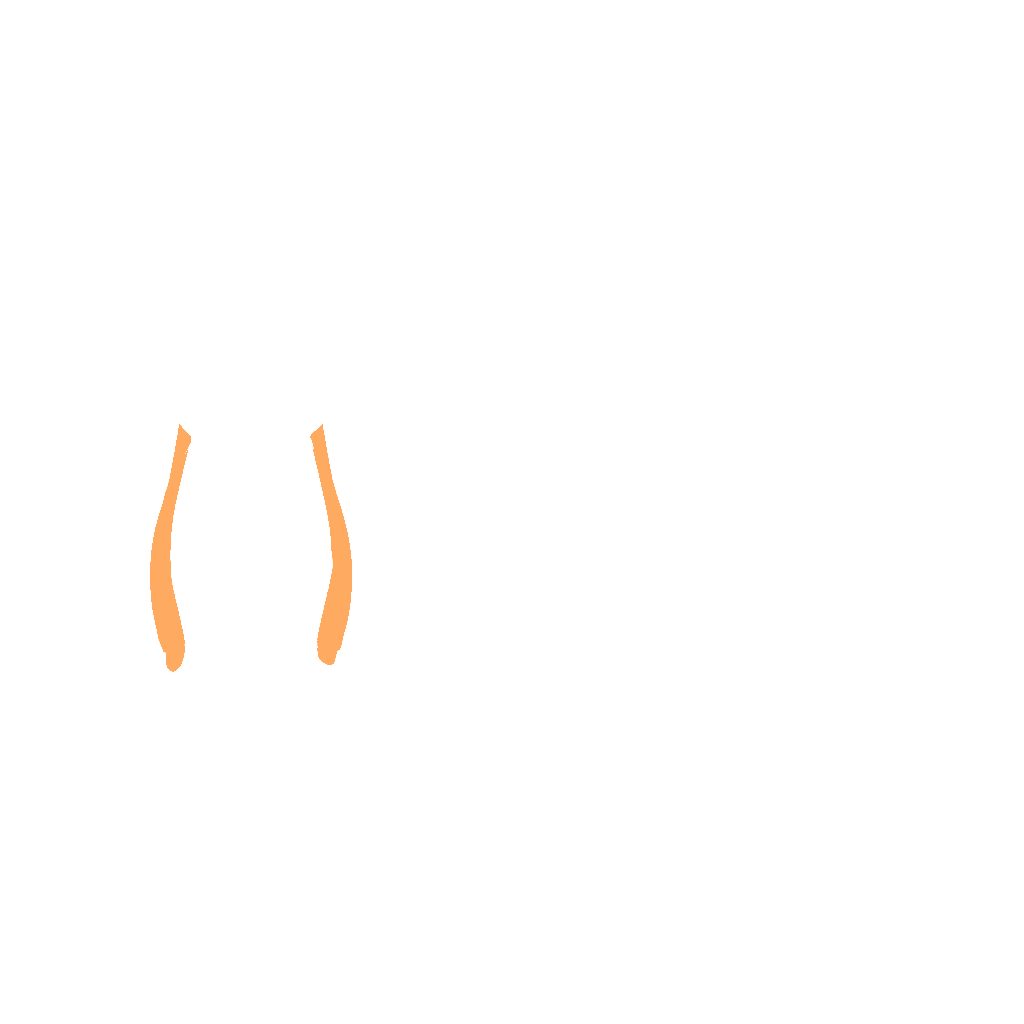
- Vastus Lateralis, Rectus Femoris, Abdominal External Oblique
- Tertiary
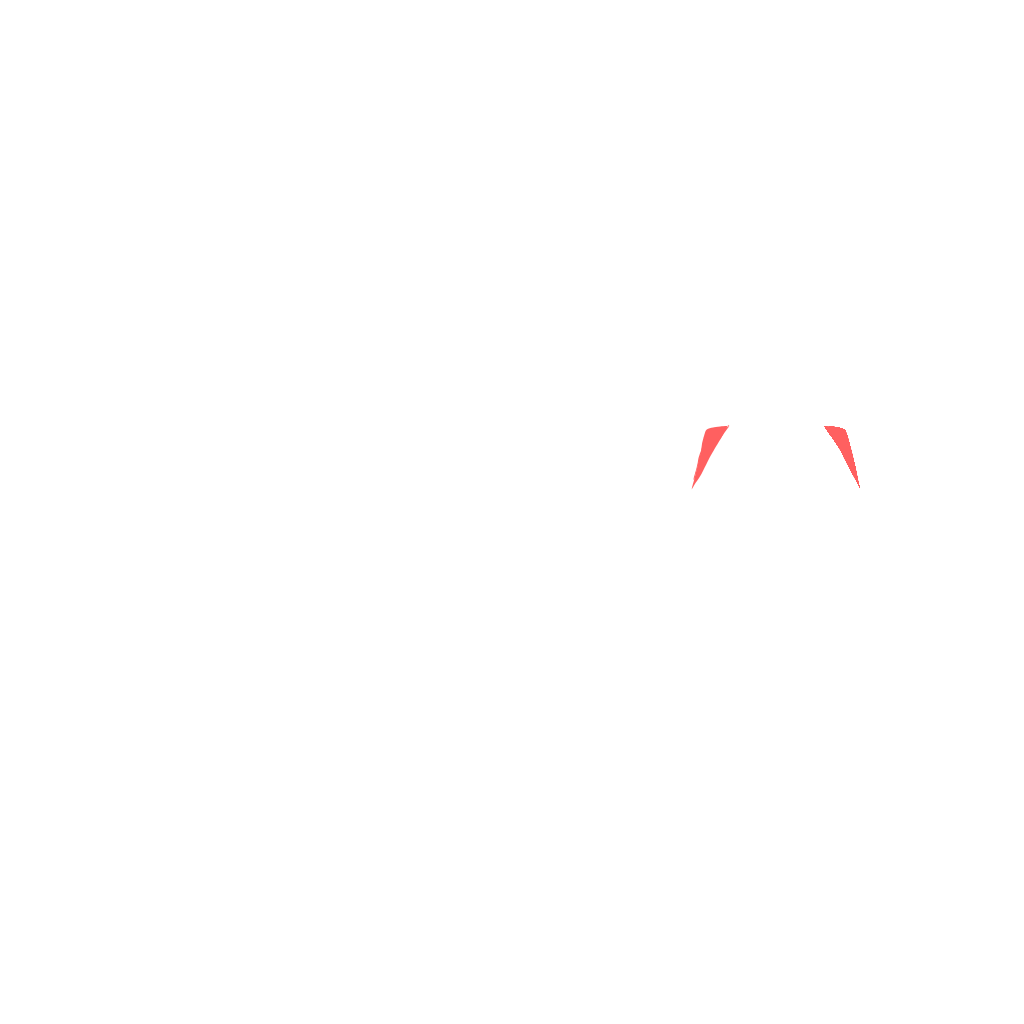
- Biceps Femoris, Semitendinosus, Deltoid Middle
How to do it
- 1
From a standing side bend or Warrior II, place the front hand on the floor or a block a foot ahead of the front foot.
- 2
Shift your weight onto the front leg and lift the back leg until it is parallel to the floor.
- 3
Stack the top hip over the bottom hip and open the chest toward the side.
- 4
Flex the lifted foot and reach the top arm straight up toward the ceiling.
- 5
Keep a micro-bend in the standing knee and fix your gaze on a still point.
- 6
Hold with steady breath, then lower the lifted leg with control and switch sides.
Tips
- Press firmly into the bottom hand or block to help stack the hips open.
- Drive the lifted heel toward the wall behind you to keep that leg strong and level.
- Look down at the floor first, then turn the gaze up only once you feel steady.
Variations
Common mistakes
- The standing knee locks out straight and hyperextends instead of keeping a soft micro-bend, a harder position for the joint to balance from.
- The top hip rolls forward and opens toward the floor instead of stacking over the bottom hip, collapsing the side-opening the pose creates.
- Placing the support hand too close to the front foot shortens the base and makes the whole balance more precarious than it needs to be.
- The lifted leg drops below parallel as the hold goes on, so the hip and glute stop working as hard as they were at the start.
- Rushing to lift the top arm and open the chest before the standing leg feels stable adds a balance challenge before the base is ready for it.
Frequently asked
- How long should you hold half-moon pose per side when you are new to the exercise?
- Hold for 3 to 5 breaths per side, doing one round on each side to start. Add a second round only once the standing leg holds steady without wobbling for the full breath count.
- How do I make half-moon pose easier or harder?
- Keep the support hand on a block at its tallest height, still about a foot ahead of the standing foot, to make the pose easier and more stable. To make it harder, hover the support hand just above the floor for a near hands-free balance, or hold the position for an extra breath or two.
- What is half-moon pose good for, and when should you build up to it first?
- It builds frontal-plane hip and glute strength alongside balance, usually introduced after Warrior III and Tree feel solid. Build up to it first if standing-leg strength or ankle stability is still shaky, since this pose asks for more single-leg control than most standing balances.
Related exercises
Other movements among FitRay's 2,000+ exercises that load the same target muscle — same equipment and level first.
- IntermediateSkater JumpBody Weight · Glutes · Quads
- Intermediate90/90 External Rotation Lift-OffBody Weight · Glutes
- Intermediate90/90 Hip StretchBody Weight · Glutes
- Intermediate90/90 Hip Switch HoverBody Weight · Glutes · Thighs
- Intermediate90/90 Internal Rotation Lift-OffBody Weight · Glutes · Thighs
- IntermediateActive Pigeon Lift-OffBody Weight · Glutes