Hanging Pike Hold
Holding the legs locked out horizontal or higher at the top of the raise is brutal compression training for the lower abs and hip flexors. Isometrics at end range carry over directly to strict toes-to-bar, front lever, and L-sit strength. There is nowhere to hide, so keep the holds short and honest. Program it for time as a finisher or between dynamic raise sets.
- Equipment
- Pull-Up Bar
- Type
- Strength
- Browse by muscle
- Lower Rectus Abdominals, Rectus Femoris
- Browse by movement
- Core Brace






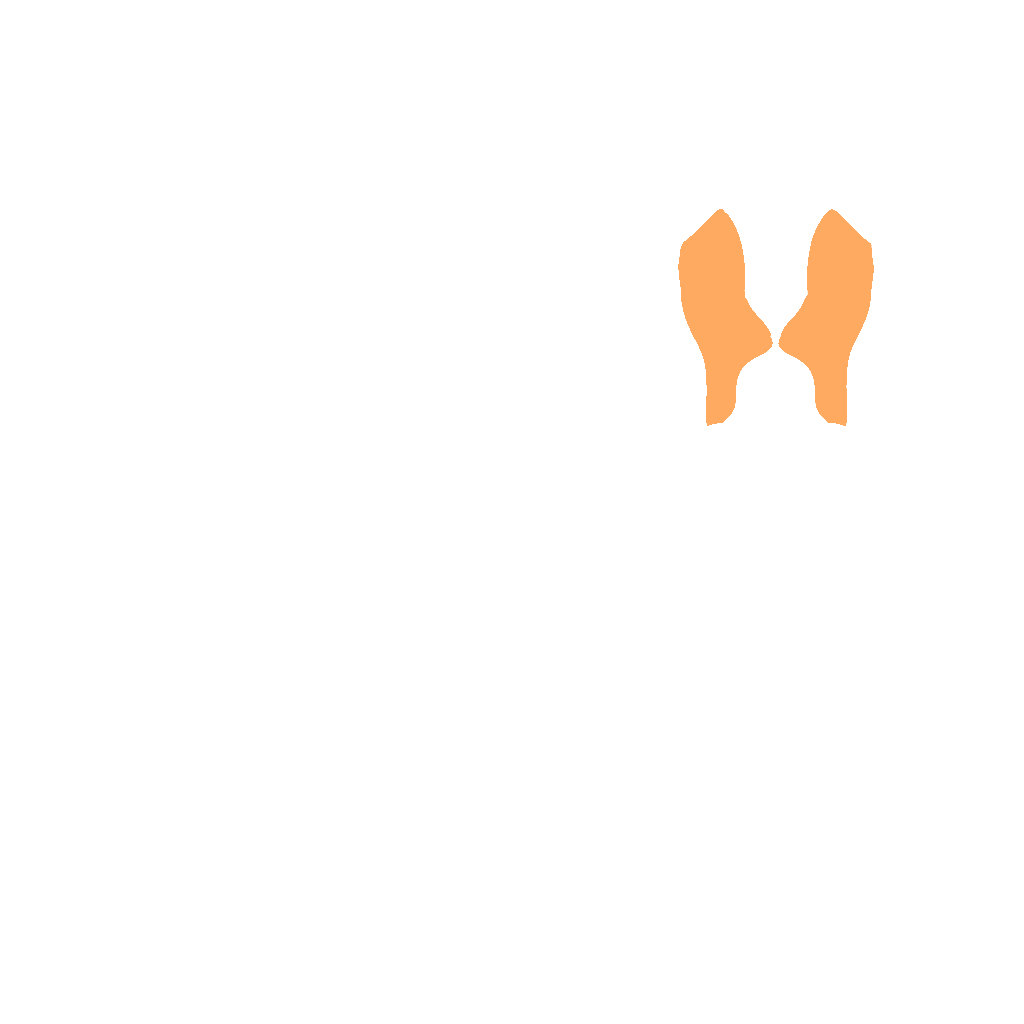


- Target
- Lower Rectus Abdominals, Rectus Femoris
- Secondary
- Upper Rectus Abdominals, Latissimus Dorsi
- Tertiary
- Abdominal External Oblique, Brachioradialis
How to do it
- 1
Hang from the bar with an overhand grip and set the lats to depress the shoulders.
- 2
Raise straight legs until they are at least parallel to the floor, ideally higher.
- 3
Hold that position, keeping the knees locked and the pelvis tucked under.
- 4
Breathe shallowly and steadily while maintaining full abdominal tension.
- 5
Hold for the planned time, then lower the legs under control to the hang.
- 6
Rest fully before repeating so each hold keeps its quality.
Tips
- Posteriorly tilt the pelvis to lock the lower abs and hold the legs higher.
- Pull the bar toward your hips to recruit the lats and stabilize the hang.
- Time your holds and stop the set the moment the legs start to sag.
Variations
Common mistakes
- The pelvis stays neutral instead of tilting posteriorly, so the hold rides on hip flexor endurance instead of locked-in lower ab tension.
- Holding past the point the legs start to sag chases a longer time on the clock instead of protecting the quality of the hold.
- The breath gets held entirely during the hold, spiking trunk pressure instead of the shallow, steady breathing the position calls for.
- Back-to-back holds with barely any rest between them carry accumulating fatigue into a position that already leaves no margin for error.
- The shoulders shrug up toward the ears as the hold drags on, losing the lat engagement that's supposed to keep the hang stable.
Frequently asked
- What's a sensible starting hold time for the hanging pike hold?
- You should already manage a strict hanging leg raise to parallel before turning it into a hold. Start with 3 to 4 holds of 5 to 8 seconds each, resting fully between them, and add time in small increments rather than jumping straight to longer holds.
- What if I don't have a bar for the hanging pike hold?
- Gymnastics rings or any sturdy overhead bar work the same way. Without something to hang from, an L-sit hold on parallettes or the floor trains a similar end-range hip-flexion isometric until a bar becomes available.
- What does the hanging pike hold train, and when should you avoid it?
- It's brutal isometric compression work for the lower abs and hip flexors that carries directly into toes-to-bar, front lever, and L-sit strength. Avoid it if you can't yet hold a strict dead hang comfortably for the same duration, since the leg raise adds real load on top of a grip and shoulder position you need to already own.
Related exercises
Other movements among FitRay's 2,000+ exercises that load the same target muscle — same equipment and level first.