Hanging Knee Circle
This is the accessible on-ramp to hanging leg circles and around-the-worlds: with the knees tucked, the short lever lets you learn to circle the pelvis smoothly and control the swing. The obliques and lower abs work through every angle of a small rotation while the grip and lats hold position. It is a great teaching drill and a solid oblique burner in its own right. Build both directions evenly.
- Equipment
- Pull-Up Bar
- Type
- Functional, Strength
- Browse by muscle
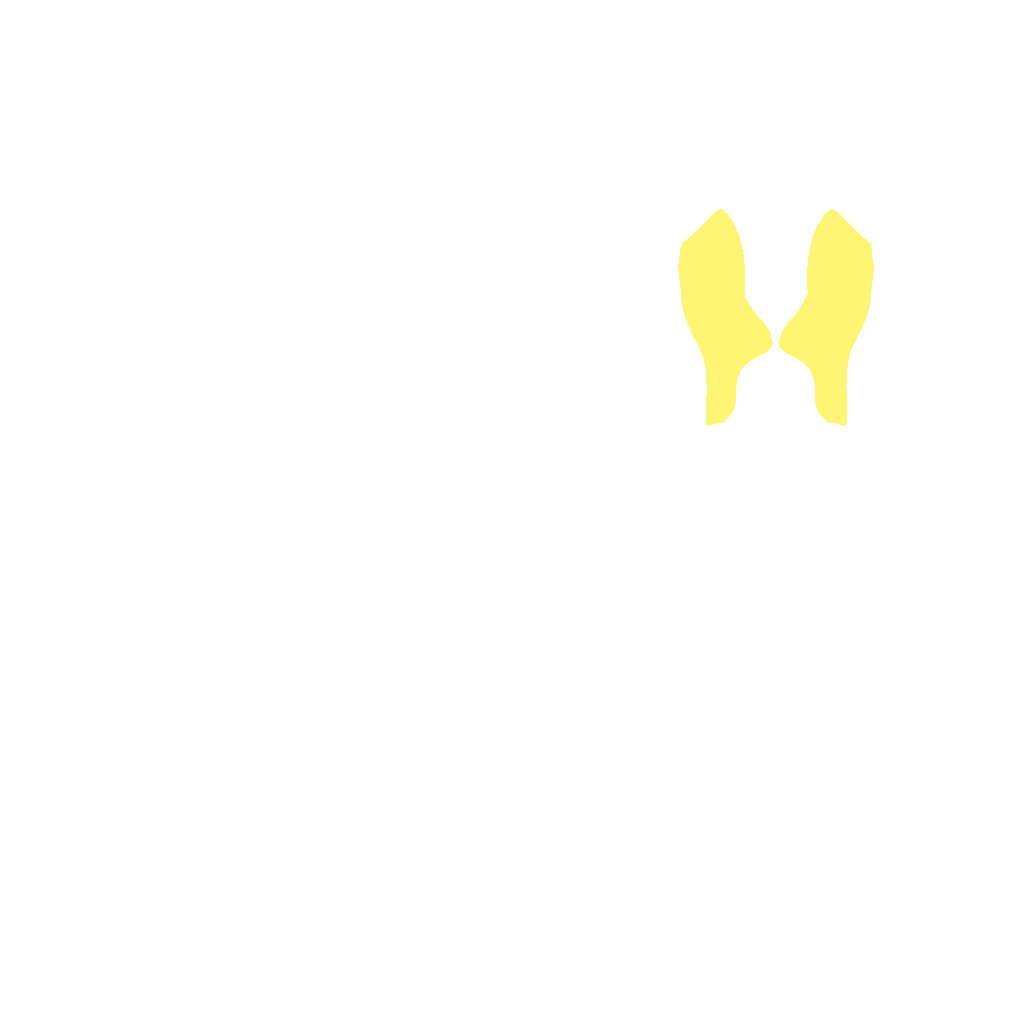
- Abdominal External Oblique, Lower Rectus Abdominals
- Browse by movement
- Core Brace, Rotation








- Target
- Abdominal External Oblique, Lower Rectus Abdominals
- Secondary
- Upper Rectus Abdominals, Rectus Femoris
- Tertiary
- Latissimus Dorsi, Brachioradialis
How to do it
- 1
Hang from a pull-up bar with an overhand grip and set the shoulders down.
- 2
Raise the knees into a tuck with the thighs near parallel to the floor.
- 3
Trace a small circle with the knees, moving up one side, across, and down the other.
- 4
Keep the circle controlled and continuous rather than swinging the legs.
- 5
Reverse direction after the planned reps, breathing steadily throughout.
- 6
Finish by lowering the legs under control to a dead hang.
Tips
- Start with small circles and grow them only as your control improves.
- Keep a steady downward pull on the bar to quiet any body swing.
- Do equal reps in both directions to train the obliques symmetrically.
Variations
Common mistakes
- The knees drop below the tucked height mid-circle, turning a controlled arc into a swinging kick that loses the isolated oblique work.
- Pumping the hips to help drive the circle brings momentum into a movement meant to be powered by a slow, controlled contraction.
- The grip loosens as the circle passes the far side, letting the whole body swing instead of staying anchored at the bar.
- Doing far more reps in the easier direction because it feels more natural skips the equal-volume point of training both directions.
- The shoulders shrug upward as the knees circle, disconnecting the lats and letting the torso sway with the leg movement.
Frequently asked
- How many knee circles should you do per set when you are new to the exercise?
- Start with 2 to 3 sets of 4 to 5 circles per direction, keeping the circles small and the movement slow enough to stay controlled. Grow the circle size before adding more reps, and always match the count in both directions.
- What if I don't have a bar for the hanging knee circle?
- Any sturdy overhead bar, a set of gymnastics rings, or even a stable playground bar all work fine. Without anything to hang from, get a similar oblique challenge from a floor exercise like a lying windshield wiper instead, and move to the hanging version once a bar is available.
- What is the hanging knee circle good for, and when should you use something more advanced?
- It's a beginner-friendly on-ramp to hanging leg circles and around-the-worlds, teaching pelvic control on a short lever while building oblique and grip endurance. Move to something more advanced once these circles feel easy and controlled in both directions, since the short lever caps how much load the obliques ever really take on.
Related exercises
Other movements among FitRay's 2,000+ exercises that load the same target muscle — same equipment and level first.
- IntermediateTuck Skin-the-CatPull-Up Bar · Abs · Lats
- AdvancedBent-Knee Hanging Windshield WiperPull-Up Bar · Abs · Lats
- AdvancedHanging Around-the-WorldPull-Up Bar · Abs · Lats
- AdvancedHanging L-Sit to TuckPull-Up Bar · Abs · Lats
- AdvancedHanging Leg CirclesPull-Up Bar · Abs
- AdvancedHanging Pike HoldPull-Up Bar · Abs · Lats