High-Knee Dribble
The High-Knee Dribble sits between ankling and full high knees: the thigh lifts higher than in ankling but the whole action stays compact and rapid. It links an aggressive knee punch to a quick, stiff-ankle ground strike, rehearsing the front-side mechanics of sprinting at speed. Run it over short distances with a premium on turnover and posture.
- Equipment
- Body Weight
- Type
- Cardio, Functional
- Browse by muscle
- Rectus Femoris, Tibialis Anterior
- Browse by movement
- Gait Drill







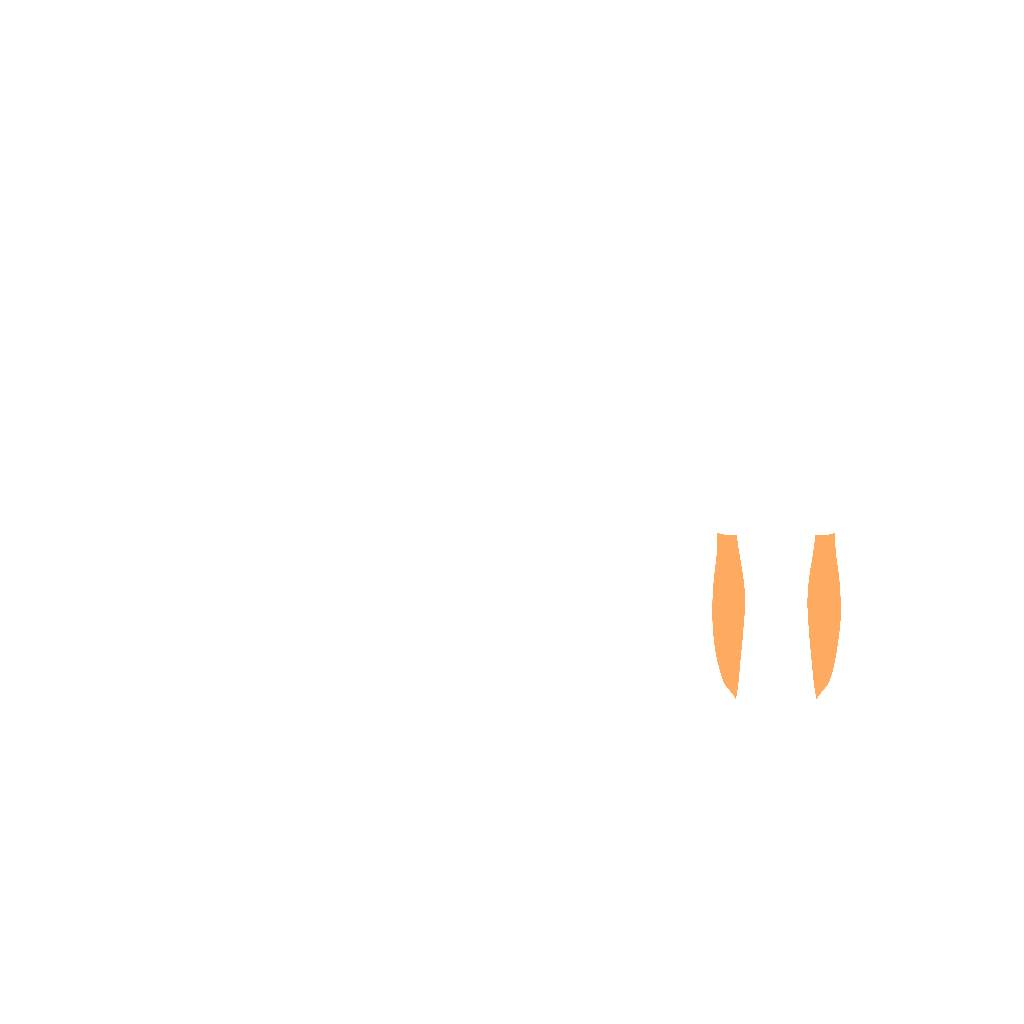



- Target
- Rectus Femoris, Tibialis Anterior
- Secondary
- Gluteus Maximus, Biceps Femoris, Semitendinosus, Gastrocnemius Lateral Head, Gastrocnemius Medial Head
- Tertiary
- Soleus Gastrocnemius, Upper Rectus Abdominals, Abdominal External Oblique
How to do it
- 1
Move forward with a fast, choppy stride, lifting the knees only partway, well below hip height.
- 2
Keep the amplitude low so the cycle stays quick rather than bouncy.
- 3
Dorsiflex the ankle and strike on the ball of the foot directly beneath your hips.
- 4
Pull each foot straight up and down, cycling the legs rapidly.
- 5
Hold a tall chest and drive the arms in time with the legs.
- 6
Cover a short distance, then reset before the next repeat.
Tips
- Favor turnover over height; the knees stay busy, not sky-high.
- Keep contacts under your body to stay in a driving, non-braking position.
- Lock the ankle so every strike is crisp and reactive.
- Relax the shoulders while the arms pump quickly.
Variations
Common mistakes
- The knees climb higher and the cadence halves, so the drill turns into plain high knees; if you can count the steps easily, the turnover has already gone.
- Steps get long and the drill covers twenty meters in a dozen strides, which makes it a run; keep the steps short and count them over a set distance.
- Contacts land flat as the legs tire, and the quick, quiet pop that makes this drill useful disappears.
- The chest drops forward over the knees instead of staying stacked on the hips, and the whole thing becomes a hunched shuffle.
- Trips stretch to forty meters and the last twenty are run on tired hip flexors, which is where the sloppy pattern gets learned; ten or fifteen is enough.
Frequently asked
- How much of the high-knee dribble should you do when you are new to the exercise?
- Three or four trips of 10 to 15 meters with a full walk back, placed in your preparation before sprinting or as a short technique block of its own. Counting contacts is more useful than counting meters: 20 to 30 quick ones per trip. Progress by raising the turnover at the same step length, and end a trip as soon as the contacts slow or go flat rather than finishing the distance.
- How do I make the high-knee dribble easier or harder?
- Easier: drop the knees lower and do ankling instead, which is the same quick contact with less amplitude, or run the dribble on the spot before traveling. Harder: raise the cadence, then add a few meters of sprinting straight out of the last contact so the pattern carries into real speed. Driving the knees higher is not the harder version; it slows the cycle and turns the drill into something else.
- What is the high-knee dribble for, and when should I use something else?
- It links a quick knee punch to a stiff-ankle strike under the hips, which rehearses the front-side mechanics of fast running at a cadence close to the real thing, so sprinters and field-sport athletes use it between ankling and full-speed work. Use something else if you want conditioning: this is a short technique drill, and running it until you are out of breath only teaches a tired pattern. Give it a miss while a hip flexor is sore.
Related exercises
Other movements among FitRay's 2,000+ exercises that load the same target muscle — same equipment and level first.
- Intermediate5-10-5 Pro Agility ShuttleBody Weight · Glutes · Quads
- Intermediate300-Yard ShuttleBody Weight · Hamstring · Quads
- IntermediateA-SkipBody Weight · Calves · Quads
- IntermediateB-MarchBody Weight · Hamstring · Quads
- IntermediateB-SkipBody Weight · Hamstring · Quads
- IntermediateCariocaBody Weight · Glutes · Thighs