Little Thunderbolt Pose
Little Thunderbolt is an advanced Camel-family backbend where the quadriceps work eccentrically to lower the crown of the head to the floor and concentrically to draw the body back up. It demands strong, well-conditioned thighs and a deep, safe spinal extension. Treat it as a peak pose reached only after Camel and Full Frog feel comfortable.
- Equipment
- Body Weight
- Type
- Stretching, Yoga
- Browse by muscle
- Rectus Femoris, Erector Spinae


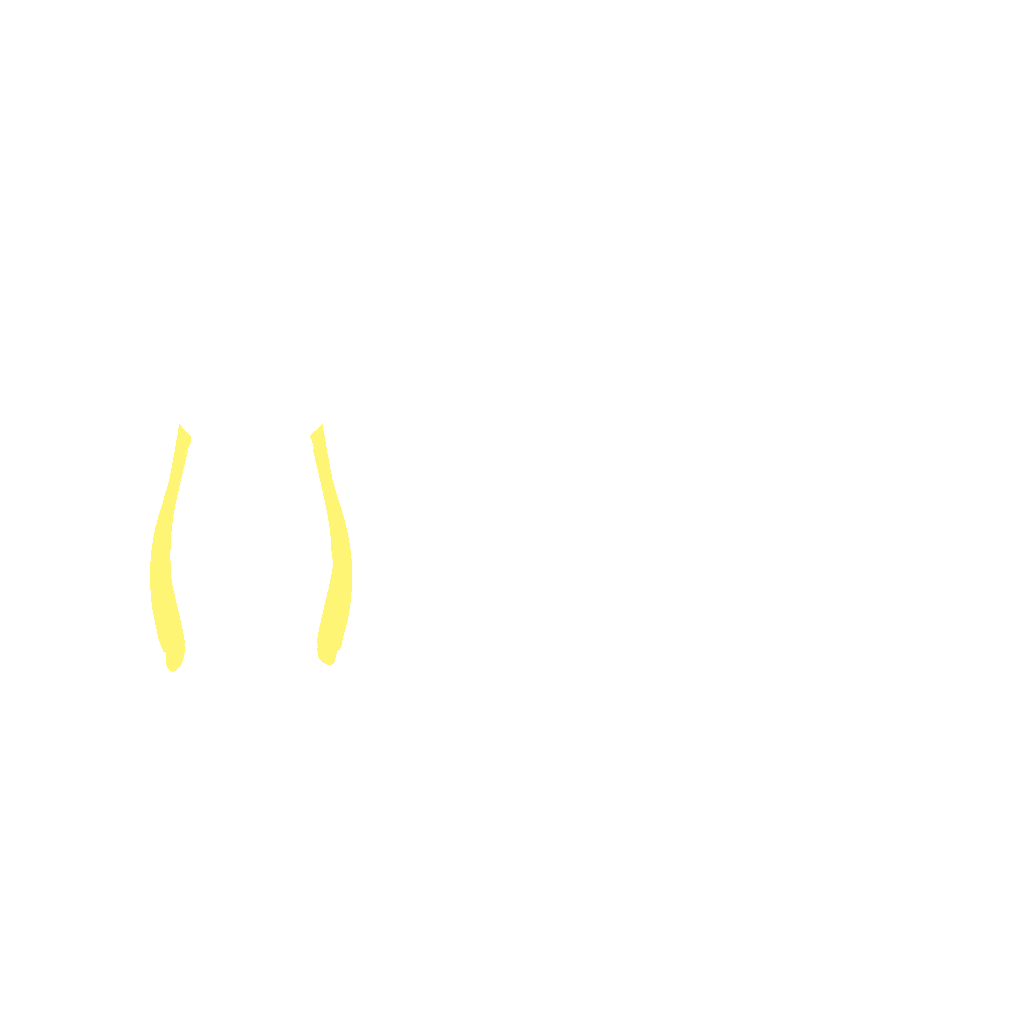

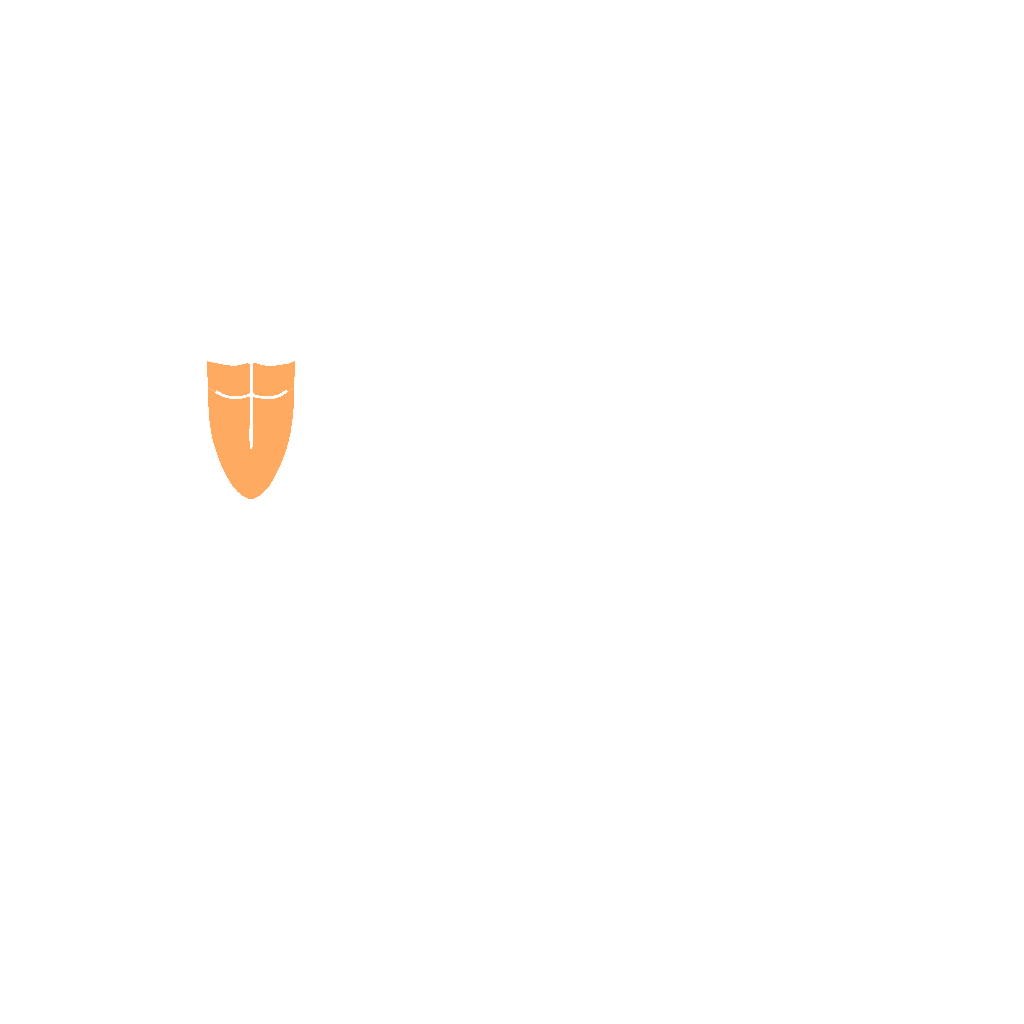


- Target
- Rectus Femoris, Erector Spinae
- Secondary
- Gluteus Maximus, Upper Rectus Abdominals
- Tertiary
- Vastus Lateralis, Pectoralis Major Clavicular
How to do it
- 1
Kneel upright with the shins parallel and grip the heels or the backs of the ankles.
- 2
Press the hips forward and lift the chest into a strong Camel-like backbend.
- 3
Slowly lower the crown of the head toward the floor by controlling the descent with the thighs.
- 4
Let the crown lightly touch while the hands keep holding the heels and the hips stay lifted.
- 5
Engage the quadriceps to draw the torso back up to kneeling without collapsing.
- 6
Rest the hips onto the heels and fold forward to release the spine.
Tips
- The quadriceps must control both directions; do not drop into the pose or you will strain the knees and back.
- Keep the hips reaching forward over the knees the entire time to avoid dumping into the lumbar spine.
- Build the strength with slow Camel lowerings before attempting to touch the head down.
- Skip this pose entirely if the knees, neck, or lower back are irritated.
Variations
Common mistakes
- The descent is let go halfway and the head drops the last few inches, arriving on the crown with no control and on a neck that is already extended.
- The hips sink back toward the heels as the chest goes down, which unloads the thighs and collapses the whole bend into the low back.
- The grip on the heels loosens to gain a little depth, and with nothing to pull against the thighs cannot bring you back up.
- The crown takes real weight instead of touching lightly, which turns the pose into a headstand on a fully extended spine.
- The way back up starts with a pull on the hands and a flick of the head; if the thighs cannot do it alone, the pose was not ready to be entered.
Frequently asked
- What is a sensible starting dose for Little Thunderbolt, and what should I own first?
- Two or three attempts of two to three breaths, once or twice a week, at the end of a session where the quads and spine are thoroughly prepared. Before you take the head down you want a comfortable Camel with a long spine and the ability to lower halfway and return under control five times in a row. Progress by adding range to those half reps rather than by chasing the floor.
- How do I make Little Thunderbolt easier or harder?
- Easier: kneel on a folded blanket and set a bolster or a stack of cushions behind you so the head meets support before the floor, which lets the thighs control the same descent over a shorter distance. Holding the heels with the fingers pointing back gives you more to pull against. Harder: lower all the way, pause several breaths with the crown touching lightly, then return, or do three slow down-and-up reps in a round. Do not add speed, which is how knees get hurt.
- What is Little Thunderbolt for, and who should leave it out?
- It is a peak pose: the quadriceps work hard in both directions while being stretched, and the spine extends deeply, which is why it appears near the end of hot-yoga and Camel-family sequences. Leave it out if the knees, neck or low back are irritated, in pregnancy, or on any day the spine feels stiff, because the descent commits you to a range you cannot exit quickly. As quad training it is a poor deal; split squats and slow step-downs build more with far less risk.
Related exercises
Other movements among FitRay's 2,000+ exercises that load the same target muscle — same equipment and level first.
- AdvancedBoundingBody Weight · Glutes · Quads
- AdvancedPeacock PoseBody Weight · Back · Forearms
- AdvancedBound Side Angle PoseBody Weight · Quads · Thighs
- AdvancedBound Warrior IBody Weight · Quads · Shoulder
- AdvancedBound to Vertical JumpBody Weight · Glutes · Quads
- AdvancedCombination BoundBody Weight · Glutes · Quads