Peacock Pose
Peacock is unlike the other arm balances here: the fingers point back toward the feet, the elbows dig into the belly, and the entire body floats horizontal like a plank suspended in the air. It loads the wrists and forearms intensely and demands a rigid, long spine held by the erectors and posterior chain. Approach it gradually and never with a full stomach.
- Equipment
- Body Weight
- Type
- Balance, Strength, Yoga
- Browse by muscle
- Extensors, Brachioradialis, Erector Spinae
- Browse by movement
- Core Brace


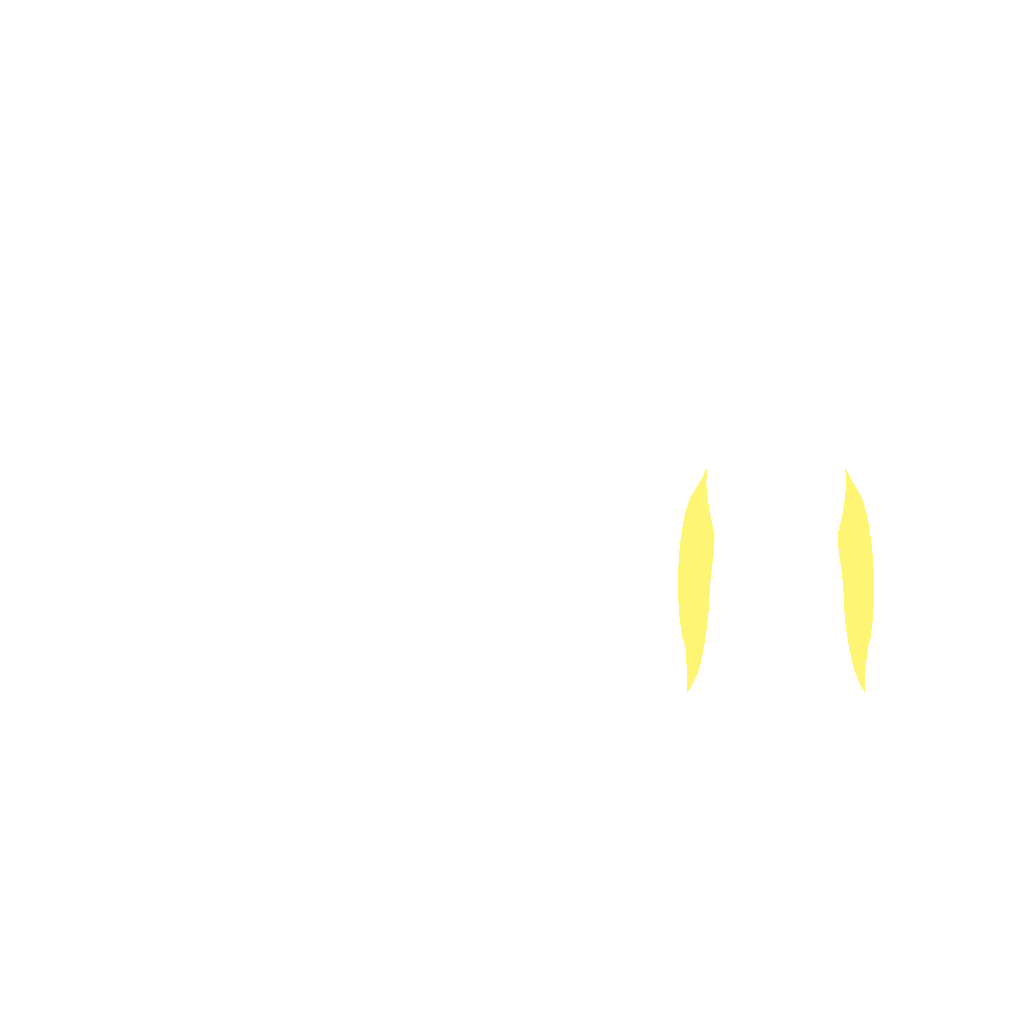


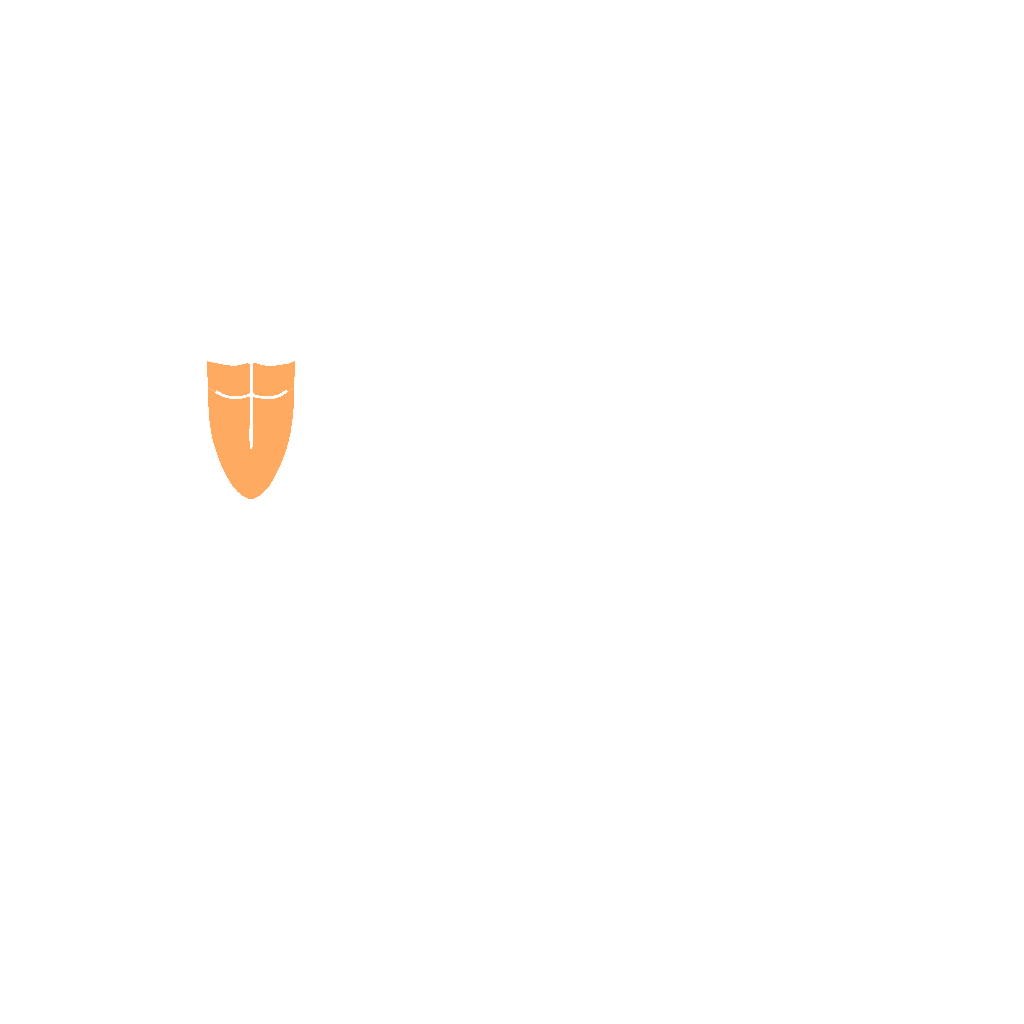


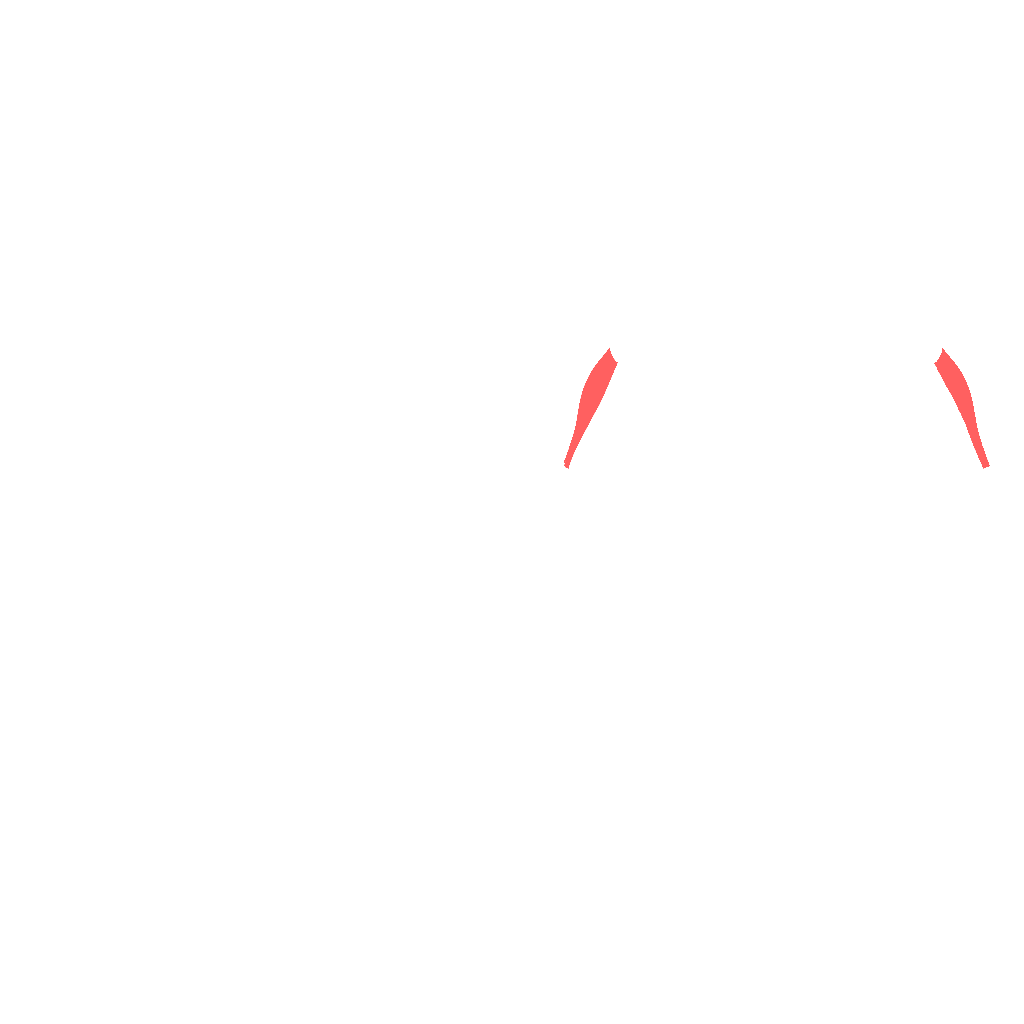
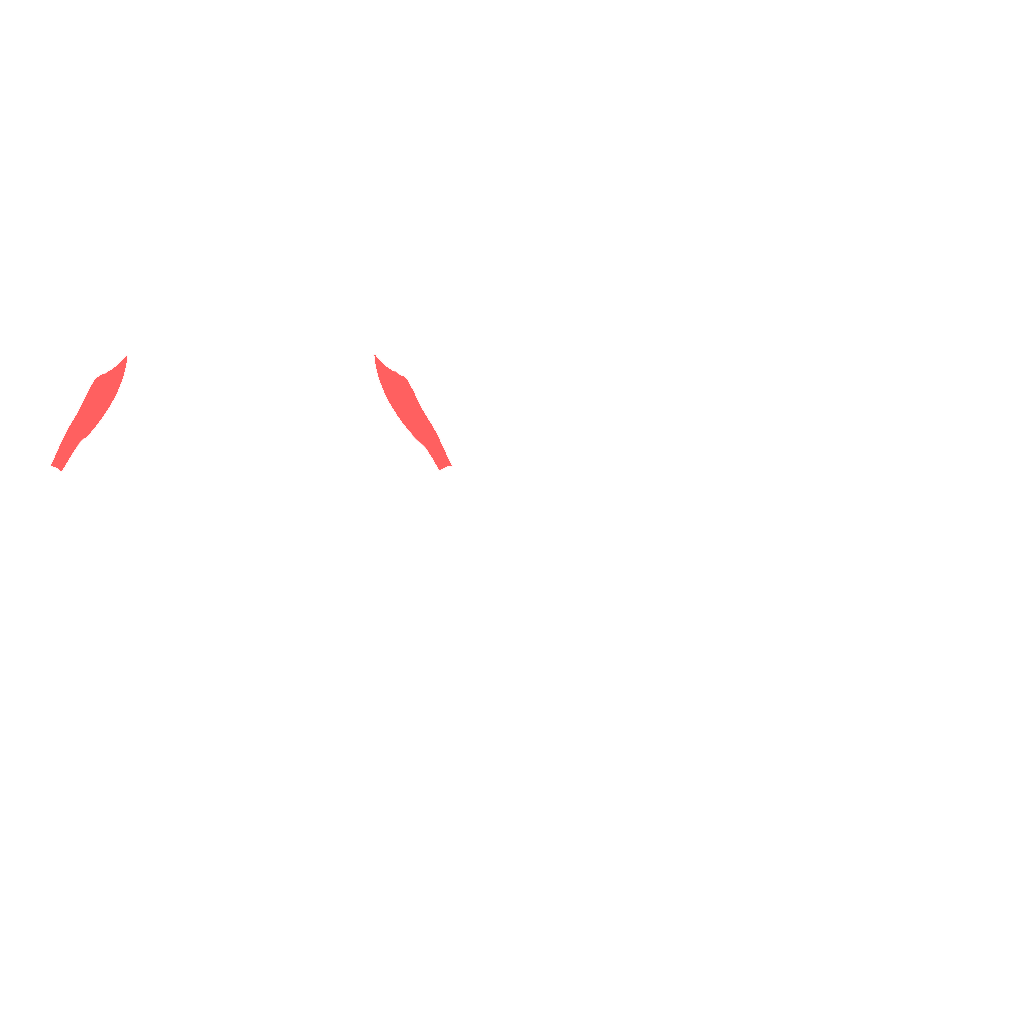

- Target
- Extensors, Brachioradialis, Erector Spinae
- Secondary
- Deltoid Anterior, Triceps Brachii Long Head, Upper Rectus Abdominals, Lower Rectus Abdominals, Gluteus Maximus
- Tertiary
- Pectoralis Major Sternocostal, Biceps Brachii Long Head, Biceps Brachii Short Head, Semitendinosus, Biceps Femoris
How to do it
- 1
Warm the wrists and forearms carefully, since peacock loads them harder than almost any pose.
- 2
Kneel, turn the hands to point the fingers back toward the feet, and set the palms flat and close together.
- 3
Bend the elbows and draw them together, planting them against the lower abdomen just below the navel.
- 4
Extend both legs straight back and lower the chest forward, forming a rigid line from head to heels.
- 5
Shift the weight forward over the hands until the feet lighten and lift off the floor.
- 6
Reach the crown forward and the heels back, keeping the body horizontal, then lower with control.
- 7
Rest the wrists afterward with gentle counter-stretches.
Tips
- Reach actively through the crown and the heels; the balance comes from lengthening, not from muscling the feet up.
- Keep the whole body firm as one plank, a sagging middle drops the legs and strains the low back.
- Progress the wrist load slowly over weeks, back off at any sharp joint pain, and skip this pose on a full stomach.
Variations
Common mistakes
- The hands are planted too far apart, so the elbows cannot draw together into one point below the navel and the abdomen has no solid shelf to rest on.
- Elbows land up on the ribs or against the sternum rather than on the soft area below the navel, which is both uncomfortable and far too high to balance the hips over.
- Because the fingers have to point back toward the feet, many people rotate the hands only halfway and load the wrist at an angle it cannot hold; turn them fully before taking any weight.
- Rocking forward to snatch the feet off the floor drives the elbows hard into the belly and usually ends the attempt on your face; shift the weight gradually until the feet lighten on their own.
- The chin lifts and the gaze pulls upward as the feet leave the ground, which drops the chest and breaks the horizontal line the pose depends on.
Frequently asked
- How long should you hold Peacock Pose, and how often can you practice it?
- Begin with 3 to 5 attempts of 2 to 5 seconds, resting well between them, and end the session the moment the wrists start to complain rather than pushing for one more. A clean 10-second hold is already a strong result. Because the forearm and wrist load here is higher than in almost any other pose, two sessions a week with a rest day between them is plenty, and the lift belongs early in a practice rather than at the end of one.
- How do you make Peacock Pose easier if you cannot lift off the floor yet?
- Set the elbows and shift forward with the toes still down, holding that loaded lean for a few breaths; that alone builds most of the wrist and forearm tolerance the pose asks for. Blocks under the feet raise the starting point so less weight has to travel forward. Tucking the knees toward the chest shortens the body and makes the balance far easier to find. Progress by straightening the legs, then holding longer, then lifting without a preliminary rock.
- Is Peacock Pose worth learning, or is it only for show?
- It is a real training effect rather than a party trick: it builds unusual wrist, forearm and grip tolerance alongside the spinal extensor strength needed to hold a rigid horizontal line, and it appeals to practitioners collecting difficult arm balances. It is not a general strength exercise; there are far easier ways to train the back and core. Anyone with a wrist or elbow injury, carpal tunnel symptoms, a hernia or an abdominal condition should leave it alone, since the elbows press directly into the belly and the wrists work at end range for the whole hold. Pregnancy rules it out.
Related exercises
Other movements among FitRay's 2,000+ exercises that load the same target muscle — same equipment and level first.
- AdvancedHeadstandBody Weight · Abs · Shoulder
- AdvancedShoulder StandBody Weight · Abs · Shoulder
- BeginnerBird DogBody Weight · Abs · Back
- BeginnerBird-Dog Balance HoldBody Weight · Back · Glutes
- BeginnerHalf ShoulderstandBody Weight · Abs · Neck
- IntermediateHollow-to-Arch TransitionBody Weight · Abs · Back