Medicine Ball Dead Bug
The medicine ball dead bug teaches the core to resist arching while the arms and legs move, the foundation of a stable, protected spine. Pressing the ball into the opposite knee creates a low-level abdominal contraction you hold throughout, which sharpens the mind-muscle connection and adds intensity to an otherwise gentle drill. It is an excellent warm-up or accessory for lifters learning to keep the ribs down and the low back flat.
- Equipment
- Medicine Ball
- Body part
- Abs
- Type
- Functional, Strength
- Browse by muscle
- Lower Rectus Abdominals, Upper Rectus Abdominals
- Browse by movement
- Core Brace






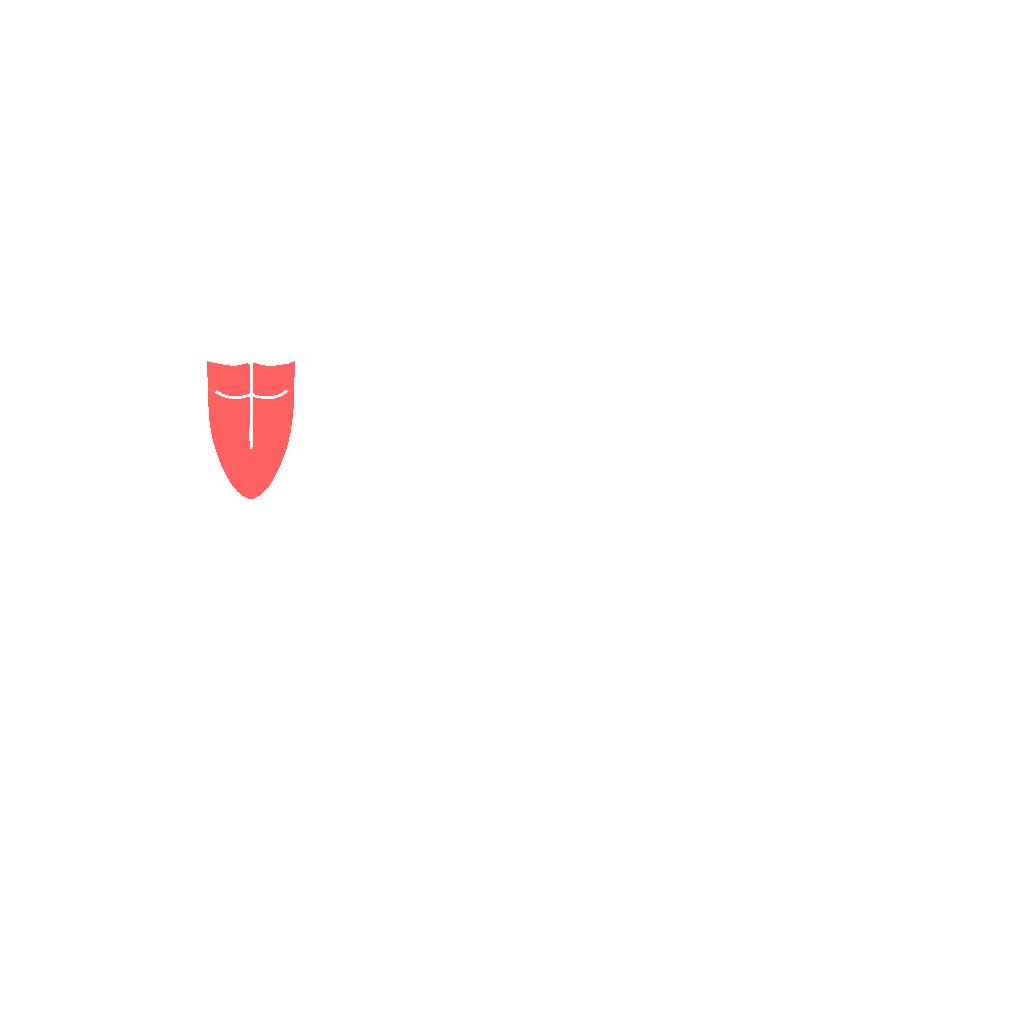
- Target
- Lower Rectus Abdominals, Upper Rectus Abdominals
- Secondary
- Abdominal External Oblique
- Tertiary
- Rectus Femoris, Deltoid Anterior
How to do it
- 1
Lie on your back with the hips and knees bent to ninety degrees over the hips.
- 2
Hold the ball in both hands and press it against one knee, arms extended.
- 3
Flatten the low back into the floor and brace the abs.
- 4
Slowly extend the opposite leg out straight, hovering just above the floor.
- 5
Return that leg to the start without letting the low back lift.
- 6
Finish the reps on that leg, then move the ball to the other knee and repeat, keeping steady pressure on the ball.
Tips
- Keep the low back glued to the floor; if it arches, shorten the leg reach.
- Move slowly and exhale as the leg extends to keep the brace strong.
- Press the ball firmly into the knee the entire set to hold the core engaged.
Variations
Common mistakes
- The pressure against the knee fades halfway through the set as attention shifts entirely to the moving leg, losing the isometric contraction the ball is there for.
- The extending leg drops too low toward the floor, pulling the low back up off the ground the moment it passes the point you can control.
- Squeezing the ball harder becomes a way to brace instead of the abs doing the bracing, so the trunk itself stays soft.
- Some lifters let the ball drift away from the knee as the arms tire, turning a held contraction into an unsupported hold.
- The breath gets held through the leg extension instead of exhaling into it, which stiffens the chest rather than the deep core.
Frequently asked
- How many reps of the medicine ball dead bug should a beginner do?
- Do 3 sets of 10 reps per leg, treating the squeeze on the ball as continuous the whole set rather than something you only hold at the start. Once that pressure stays steady for all 10 reps on both legs, extend the working leg closer to the floor before adding any reps.
- What can I use instead of a medicine ball for the dead bug?
- A small pillow, a rolled towel, or even a phone-sized cushion works the same way; anything you can squeeze between your hands and one knee to create that steady isometric contraction. Without any object at all, the plain dead bug trains the same anti-extension pattern; just focus extra attention on keeping the arms fixed overhead.
- What does the medicine ball dead bug add over a regular dead bug and who is it for?
- The ball gives you something to actively squeeze, which sharpens the mind-muscle connection and adds a small intensity bump over the plain version, making it a good warm-up or accessory for lifters. It is not the best choice if you already have strong dead bug control; a dead bug holding dumbbells or a kettlebell will challenge you more directly.
Related exercises
Other movements among FitRay's 2,000+ exercises that load the same target muscle — same equipment and level first.
- BeginnerMedicine Ball Split-Stance SlamMedicine Ball · Abs · Lats
- IntermediateMedicine Ball SlamMedicine Ball · Abs · Lats
- IntermediateMedicine Ball Half-Kneeling Overhead SlamMedicine Ball · Abs · Lats
- IntermediateMedicine Ball Leg RaiseMedicine Ball · Abs
- IntermediateMedicine Ball Overhead ThrowMedicine Ball · Abs · Shoulder
- BeginnerPlankBody Weight · Abs