Parallette Handstand
This is the cornerstone of parallette hand-balancing. Gripping the bars spares the wrists the deep extension a floor handstand demands and gives you finger pressure at the front and back of the bar to make micro-corrections. Build it once you can hold a solid wall handstand and want an honest free-balance skill.
- Equipment
- Parallettes
- Body part
- Shoulder
- Type
- Balance, Strength
- Browse by muscle
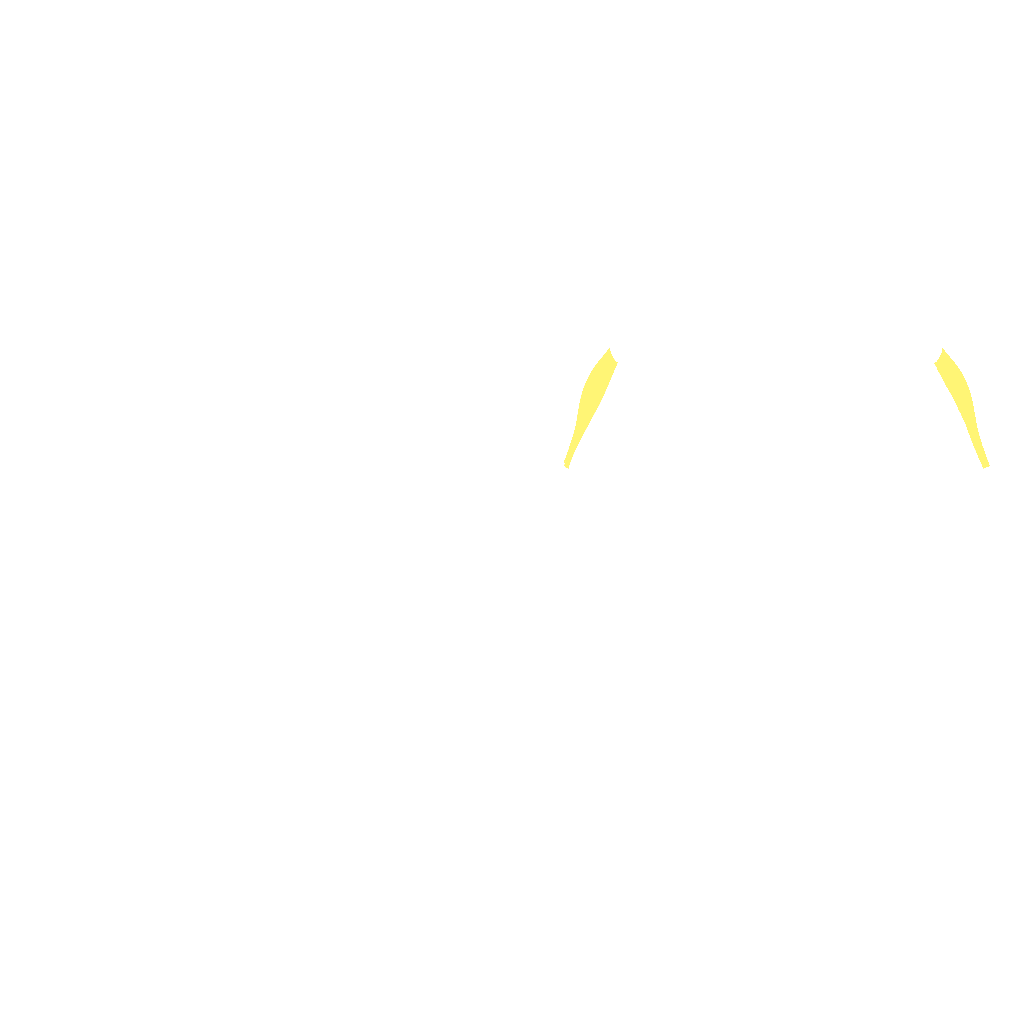
- Deltoid Anterior
- Browse by movement
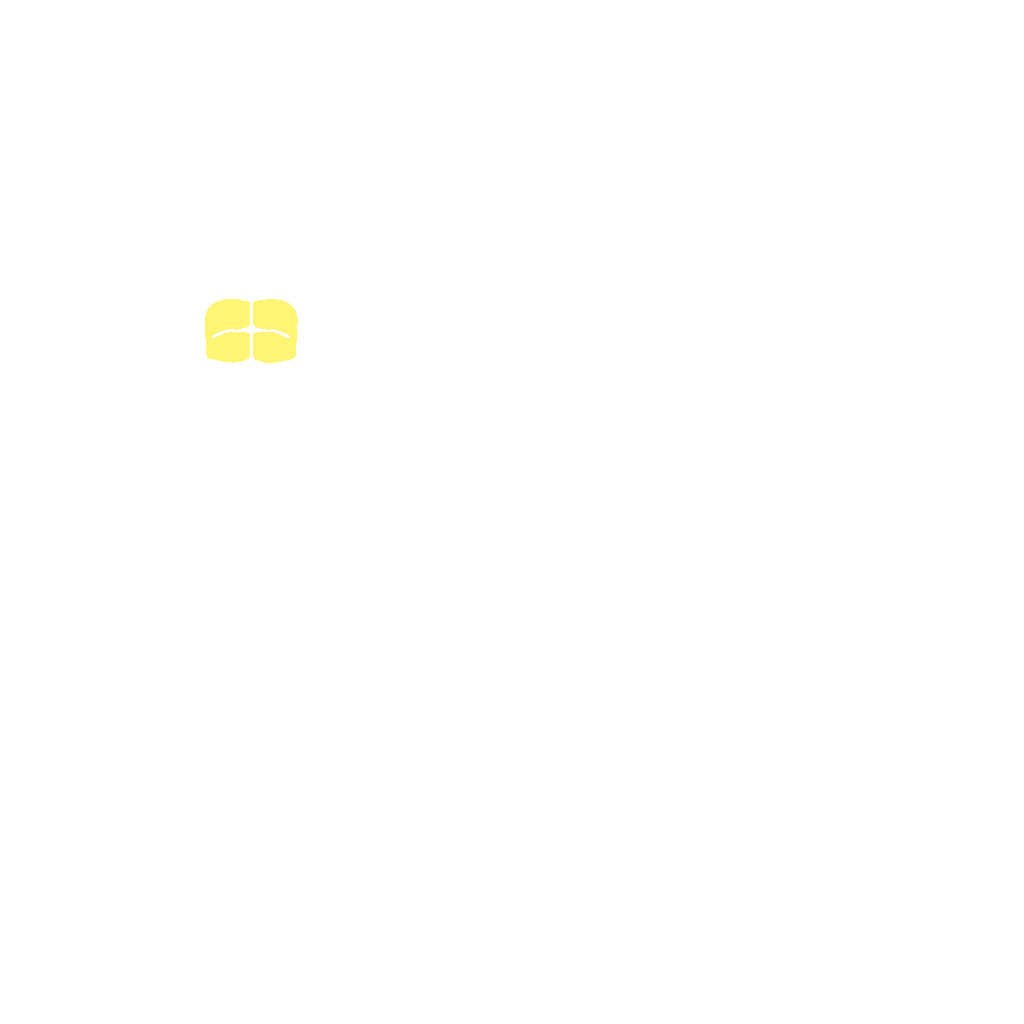
- Core Brace









- Target
- Deltoid Anterior
- Secondary
- Deltoid Middle, Triceps Brachii Long Head, Trapezius Upper, Trapezius Lower
- Tertiary
- Extensors, Upper Rectus Abdominals, Lower Rectus Abdominals
How to do it
- 1
Set the parallettes shoulder-width and parallel, and take a firm neutral grip with the bars running front to back.
- 2
Place your shoulders directly over your hands and kick or press one leg up, following with the second.
- 3
Stack wrists, shoulders, and hips into one vertical line and squeeze your glutes and ribs down to lock the body.
- 4
Balance by pressing the fingertips into the bars to catch a forward fall and easing grip pressure to catch a backward fall.
- 5
Breathe shallowly and steadily, holding the line rather than chasing it.
- 6
Exit by piking the hips and stepping one foot down under control, or by tucking and rolling out to the side.
Tips
- Keep the elbows fully locked; a soft elbow doubles the balancing work and invites a collapse.
- Correct with the fingers first, the wrists second, and only use the whole body for big saves.
- Post-tension the midline so the body moves as one plank instead of banana-ing at the hips.
Variations
Common mistakes
- The bars get set wider than the shoulders because that feels steadier, but the extra width takes the shoulders out of the vertical stack and the balance never settles.
- Parallettes are placed on a rug or a soft mat that lets them tip, so every correction moves the bar instead of the body.
- Shoulders sit slightly in front of the hands rather than directly over them, which feels like a handstand but is a controlled fall the arms have to fight for the whole hold.
- Bailing out never gets practiced, so the first real overbalance ends in a drop onto the bars; decide in advance whether you are piking down or tucking and rolling to the side.
- Practice starts on the parallettes before a wall handstand is solid, and the narrow bars punish a shape that a wall would quietly have propped up.
- Attempts get stacked one after another with no rest, and hand balancing on tired shoulders builds the crooked version of the skill rather than the straight one.
Frequently asked
- How long should you practice the parallette handstand in a session?
- Work in short, frequent attempts while you are fresh: 8 to 12 goes of 5 to 20 seconds with 60 seconds between attempts, adding up to roughly ten minutes of practice. Count clean entries rather than chasing one long hold. Three to five short sessions a week beats two long ones for any balance skill. Once a 30-second free hold is reliable, start adding shapes such as a straddle or a slow lower toward a tuck.
- How do you make the parallette handstand easier or harder?
- Easier: set the parallettes a foot from a wall and let the heels touch, work chest-to-wall so the line stays honest, or hold a pike with the feet on a box. Harder: extend the hold, add a straddle or a one-arm weight shift, then work presses from a tuck. Lowering into a bent-arm shape and pressing back out is the next skill the bars unlock, and the raised grip is what makes it possible without the wrists objecting.
- What is the parallette handstand good for, and who is it not for?
- It is the anchor skill for parallette training, and the neutral grip spares the wrists the deep extension a floor handstand demands, which makes it a real option for anyone whose wrists limit their hand balancing. The bars also give you pressure at the front and back for fine corrections a flat palm cannot make. It is not a beginner's exercise: without a solid wall handstand behind you the bars only raise the fall. It also does little for shoulder size, where overhead pressing is far more efficient.
Related exercises
Other movements among FitRay's 2,000+ exercises that load the same target muscle — same equipment and level first.
- AdvancedElephant LiftParallettes · Shoulder
- AdvancedParallette L-Sit to Tuck PlancheParallettes · Abs · Shoulder
- IntermediateParallette Shoulder StandParallettes · Abs · Shoulder
- AdvancedCrane PoseBody Weight · Abs · Shoulder
- AdvancedAdvanced Tuck Planche HoldBody Weight · Chest · Shoulder
- AdvancedBattle Rope Jump SlamRope · Back · Shoulder