Crane Pose
Crane is the taller, harder sibling of the bent-arm crow. Fully extending the elbows demands real triceps lockout strength plus deep abdominal and hip-flexor compression to lift the hips over the shoulders. Treat it as a milestone once you can hold a stable bent-arm balance, and build toward it patiently.
- Equipment
- Body Weight
- Type
- Balance, Strength, Yoga
- Browse by muscle
- Deltoid Anterior, Triceps Brachii Long Head, Triceps Brachii Lateral Head, Triceps Brachii Medial Head
- Browse by movement
- Core Brace



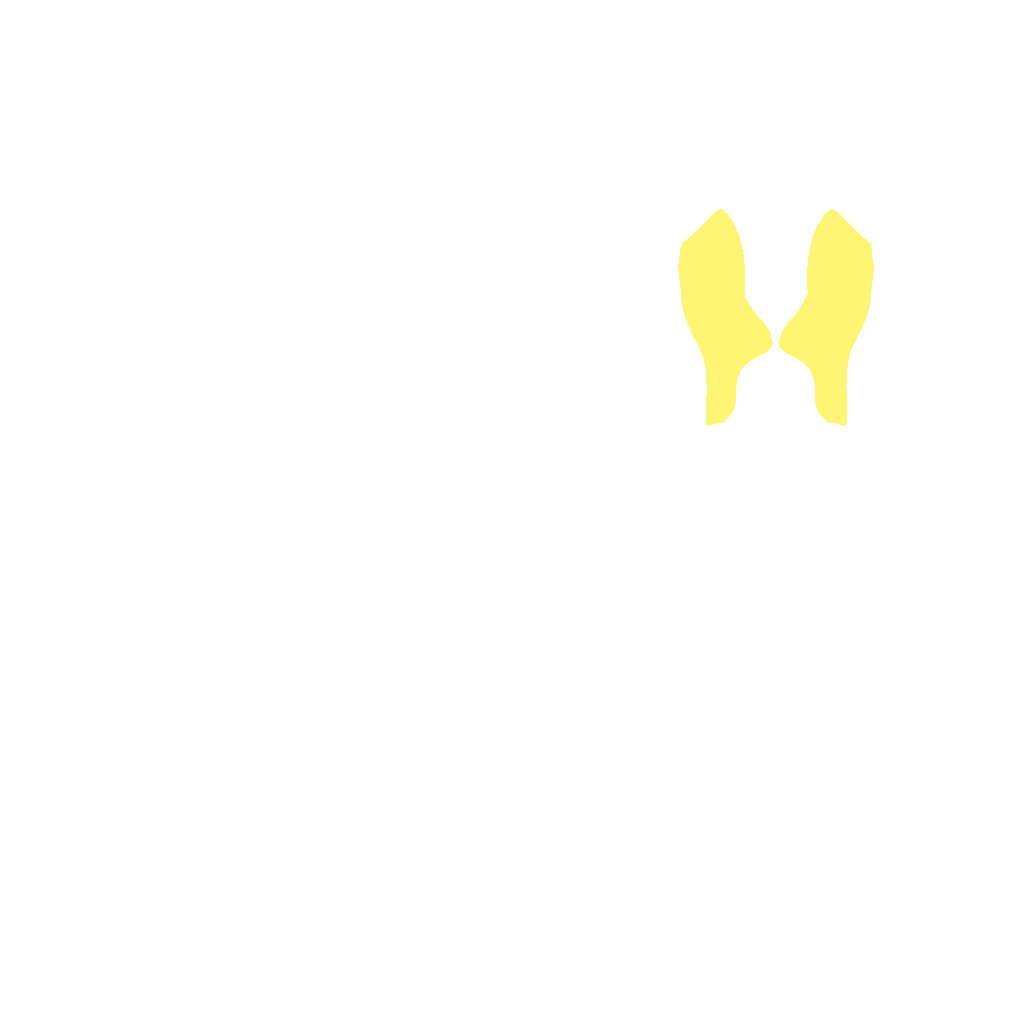
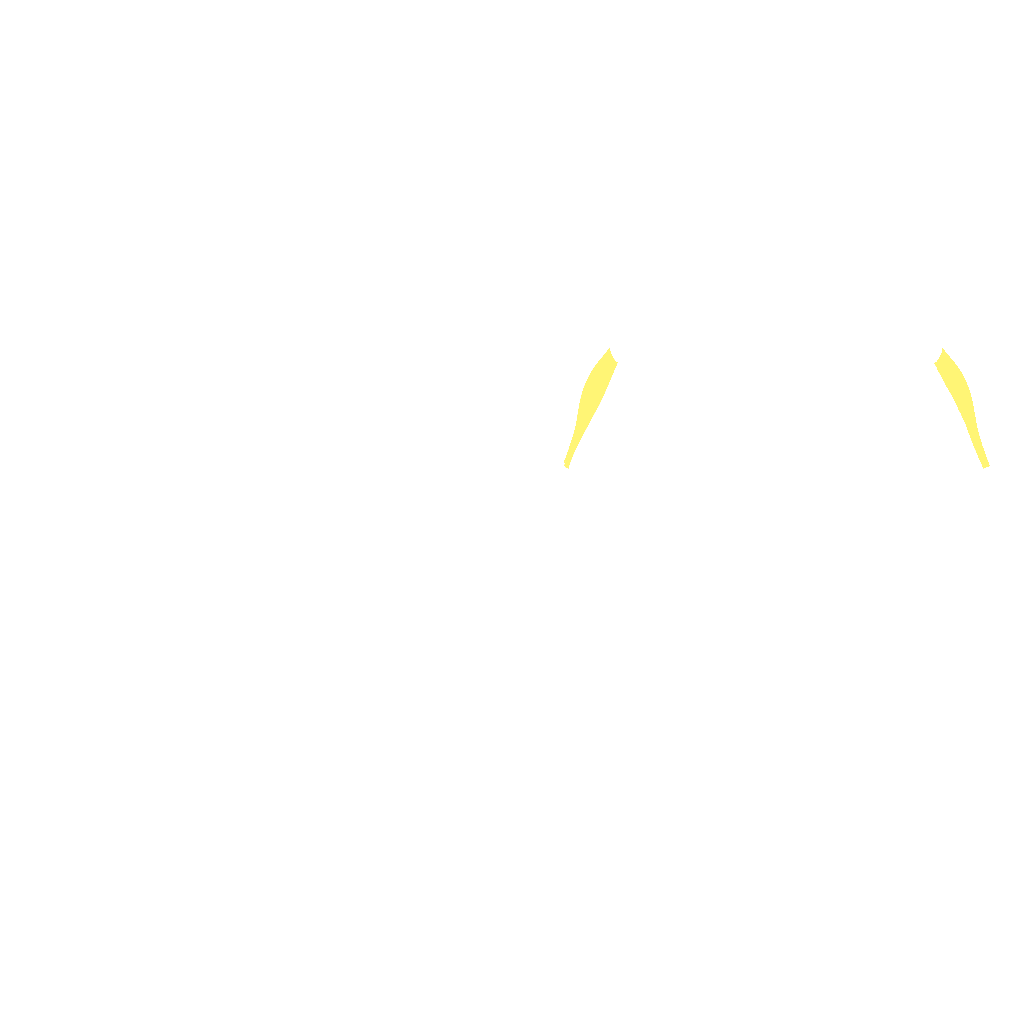
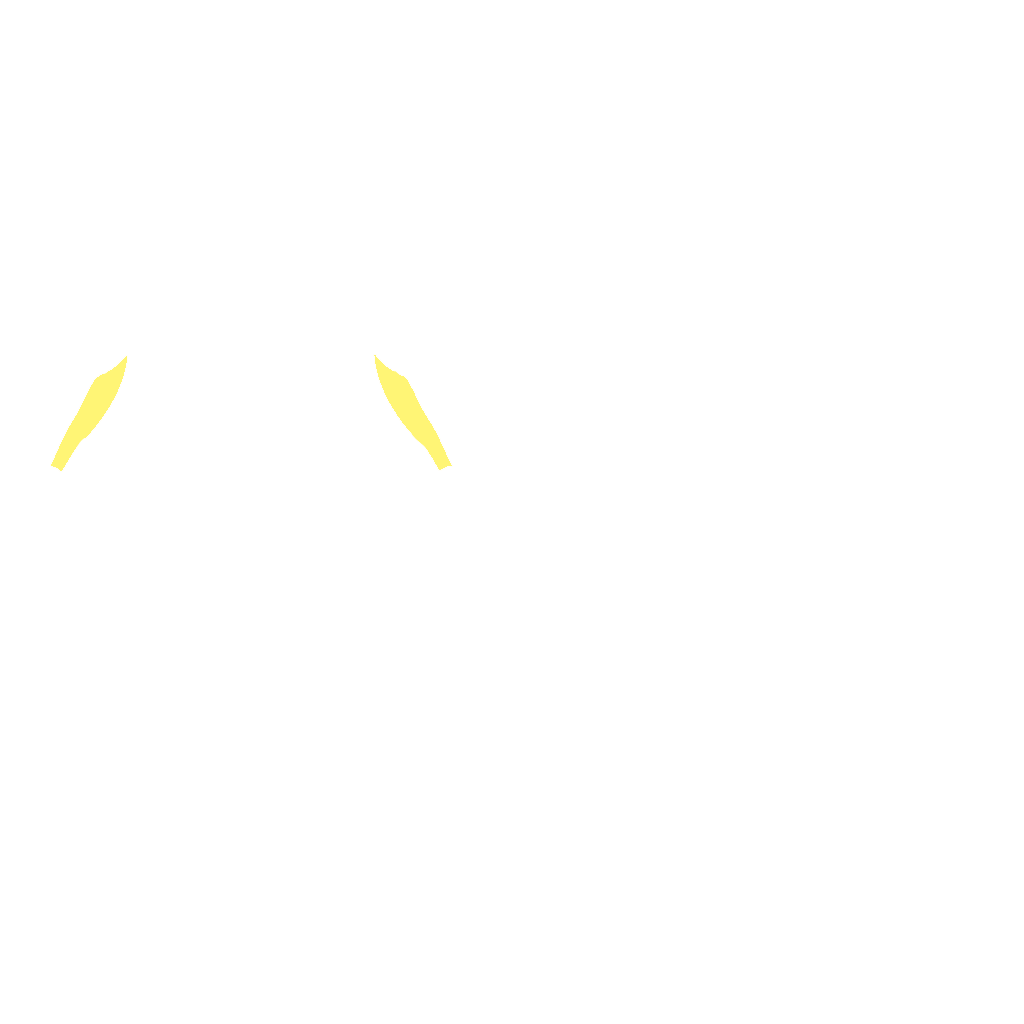
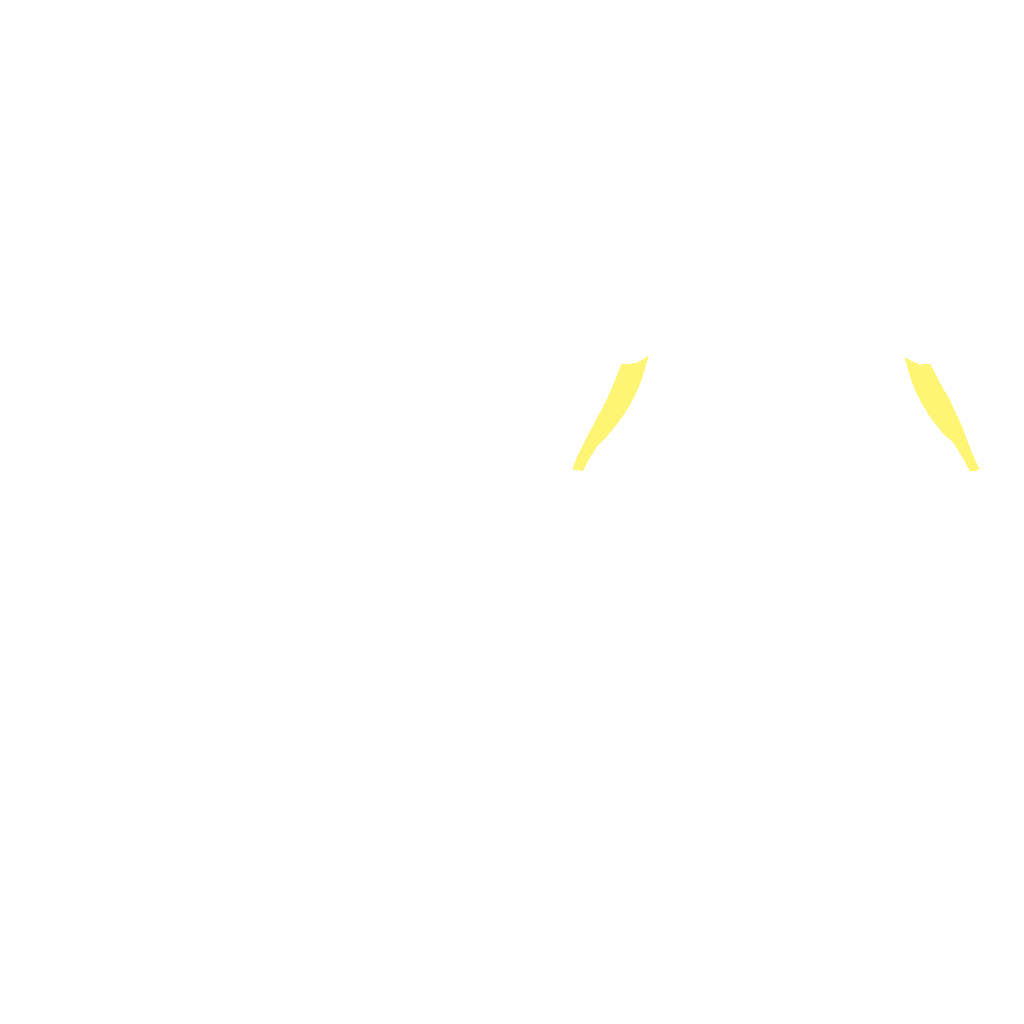




- Target
- Deltoid Anterior, Triceps Brachii Long Head, Triceps Brachii Lateral Head, Triceps Brachii Medial Head
- Secondary
- Pectoralis Major Sternocostal, Upper Rectus Abdominals, Lower Rectus Abdominals, Rectus Femoris, Abdominal External Oblique
- Tertiary
- Trapezius Lower, Latissimus Dorsi, Extensors, Brachioradialis
How to do it
- 1
Warm the wrists thoroughly with gentle flexion, extension, and circles before loading them.
- 2
Squat with feet together, plant the palms shoulder-width on the mat, and spread the fingers to grip the floor.
- 3
Set the knees high onto the backs of the upper arms, close to the armpits, and shift the weight forward over the hands.
- 4
Round the upper back, draw the navel in, and lift the feet, letting the toes float toward each other.
- 5
Straighten the elbows fully while pressing the floor away, stacking the hips high over the shoulders.
- 6
Gaze slightly ahead of the hands, hold with steady breath, then lower the feet with control.
- 7
Exit by bending the elbows and stepping back to a squat.
Tips
- Look forward, not down; dropping the gaze pitches your weight past the hands and tips you over.
- Actively round the mid-back and hollow the belly, this scapular protraction and compression is what holds you up.
- Place a folded blanket or cushion beyond your hands the first weeks so a face-plant is soft, and have a spotter stand at your shoulder.
Variations
Common mistakes
- The elbows stay bent through the whole hold, which makes this Crow rather than Crane; the shape only becomes Crane once the arms straighten and the hips travel higher over the shoulders.
- Trying to press the arms straight by pushing the head down toward the mat tips you forward, because the straightening comes from lifting the hips, not from lowering the crown.
- Knees slide down toward the elbows as the seconds pass, dropping the hips and making the lockout impossible; reset them high near the armpits before every attempt.
- The wrists carry the whole load in deep extension, and going straight into attempts without the flexion, extension and circles from the first step is what leaves them aching for days.
- Feet drift apart behind you instead of the toes floating toward each other, which lengthens the body and pulls the hips out of their stack over the shoulders.
Frequently asked
- How long should you hold Crane Pose and how many attempts should you make in a session?
- Treat it as skill work rather than sets of reps: 5 to 8 attempts of 3 to 10 seconds, with about a minute of rest between, done early in the session while the shoulders and wrists are fresh. Two or three short sessions a week move it along faster than one long one. Before spending much time on the straight-arm version, build a calm 20-second bent-arm hold, since Crane is that balance plus a press rather than a separate skill.
- How do you make Crane Pose easier or harder?
- Easier: hold the bent-arm version instead, keep one big toe resting on a block so you can explore the forward lean without committing, or set the hands on blocks so the floor is closer to your feet. Harder: press slowly from bent arms to straight and back down without the feet touching, hold for longer counts, or take the legs into a straddle Crane with the knees outside the arms. Adding a slow lower is worth more than adding seconds.
- What is Crane Pose good for, and who should skip it?
- It builds straight-arm pressing strength through the triceps and shoulders together with the deep abdominal and hip-flexor compression that press-to-handstand work depends on, so it suits a practitioner who already owns a steady bent-arm balance. It is a poor choice if your wrists complain in deep extension, if you carry a wrist, elbow or shoulder injury, or if general upper-body strength is the goal, since the pose rewards a base you have already built rather than building one from nothing.
Related exercises
Other movements among FitRay's 2,000+ exercises that load the same target muscle — same equipment and level first.
- AdvancedAdvanced Tuck Planche HoldBody Weight · Chest · Shoulder
- AdvancedCrow PoseBody Weight · Abs · Shoulder
- AdvancedCrow to Tripod HeadstandBody Weight · Abs · Shoulder
- AdvancedEight-Angle PoseBody Weight · Abs · Shoulder
- AdvancedFirefly PoseBody Weight · Abs · Triceps
- AdvancedFlying Crow PoseBody Weight · Abs · Shoulder