Prone Cobra Hold
The prone cobra is a whole-back-line isometric that stitches together spinal extension, scapular retraction, and shoulder external rotation in one hold. Lying face down and lifting the chest while turning the thumbs up switches on the erectors and lower traps, which are exactly the postural muscles that fatigue during long sitting. It needs no equipment, calms cranky, rounded shoulders, and works well as a daily posture reset or an end-of-session cooldown.
- Equipment
- Body Weight
- Type
- Strength
- Browse by muscle
- Erector Spinae, Trapezius Lower


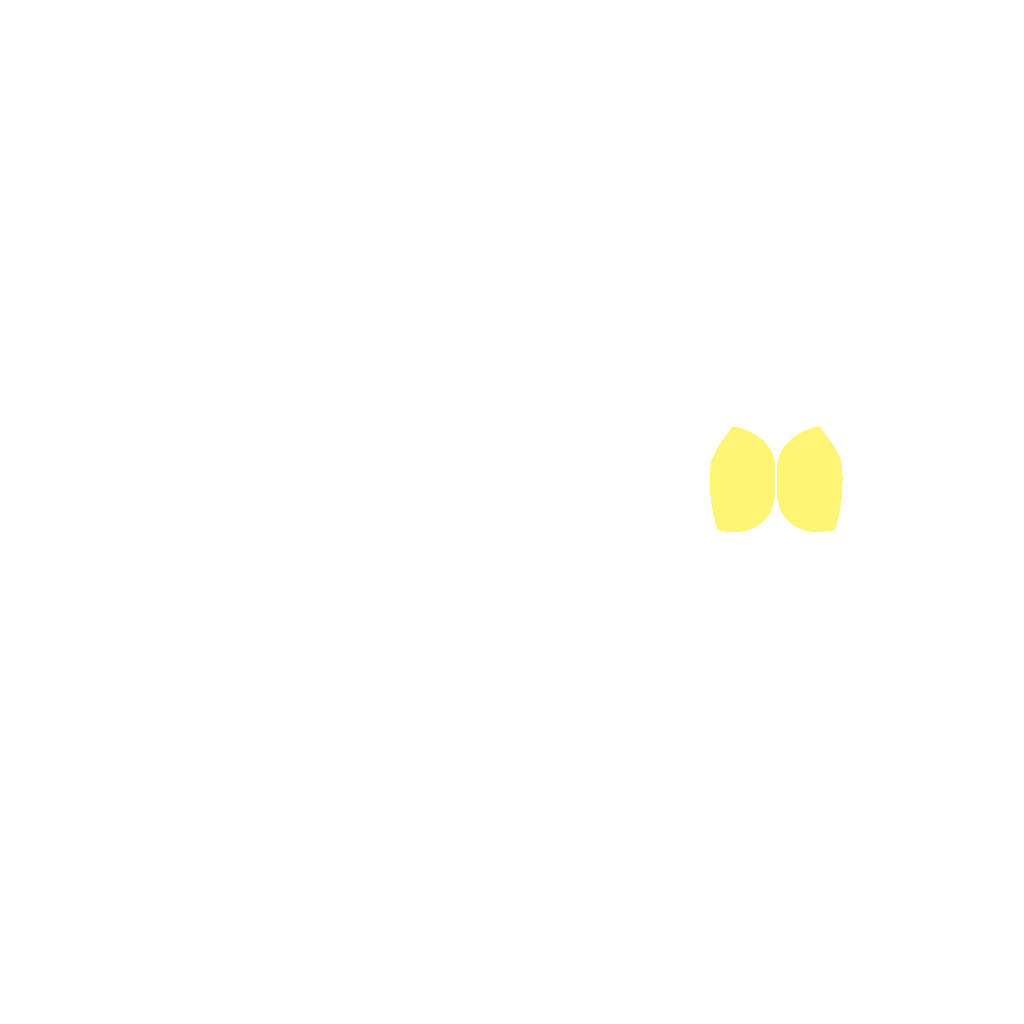



- Target
- Erector Spinae, Trapezius Lower
- Secondary
- Trapezius Middle, Deltoid Posterior, Infraspinatus
- Tertiary
- Gluteus Maximus
How to do it
- 1
Lie face down with the legs straight and the arms at your sides, palms down.
- 2
Gently tuck the chin so the neck stays long and in line with the spine.
- 3
Squeeze the glutes and lift the chest a few inches off the floor.
- 4
Rotate the arms so the thumbs point up and pull the shoulder blades down and together.
- 5
Hold this extended, externally rotated position for the prescribed time while breathing slowly.
- 6
Lower back to the floor under control and relax before the next hold.
Tips
- Lift with the upper back, not by cranking the neck backward.
- Keep the glutes engaged so the low back is supported during the hold.
- Turn the thumbs up hard to bias the rear delts and rotator cuff.
- Aim for a modest lift held with control rather than a big, strained arch.
Variations
Common mistakes
- The feet flex hard and dig into the floor for extra leverage on the lift, a habit that quietly recruits the hip flexors and starts the movement from the wrong muscle group.
- The chest never fully returns to the floor between holds, so each new rep starts from residual fatigue instead of a genuine reset.
- One arm lifts noticeably higher than the other during the thumbs-up rotation, a small asymmetry that is easy to miss face down but that loads each side of the upper back unevenly.
- Pressing the palms flat into the floor for support during the hold quietly assists the lift with the arms instead of leaving the upper back and glutes to do the work alone.
- The breath gets shallow and rushed instead of slow and steady, which is a missed chance since this hold is often used as a calming end-of-session reset.
Frequently asked
- How long should a beginner hold the prone cobra hold, and how often?
- Two to three holds of 15 to 20 seconds is plenty to start, done daily if you sit for long stretches or a few times a week as a cooldown after training. Progress by adding a few seconds per hold rather than lifting higher, since a modest, controlled lift beats a big strained arch.
- How do you make the prone cobra hold easier or harder?
- Make it easier by lifting the chest just an inch or two off the floor, focusing purely on rotating the thumbs up and squeezing the shoulder blades. Make it harder by extending the hold time, by lifting the arms slightly higher off the floor at the top, or by adding a very light pair of dumbbells once the bodyweight version feels controlled.
- What is the prone cobra hold good for, and when is it not enough on its own?
- It is a whole-back-line posture reset that combines spinal extension, shoulder blade retraction, and external rotation in one low-equipment hold, useful daily for anyone whose shoulders round forward from long sitting. It will not build meaningful back strength on its own, so pair it with rows and hip hinges if your goal is a stronger back rather than just a healthier, more mobile one.
Related exercises
Other movements among FitRay's 2,000+ exercises that load the same target muscle — same equipment and level first.