Cat-Cow
Cat-cow is a gentle mobility flow that moves the spine through flexion and extension segment by segment. Alternating between rounding the back and arching it warms up the spine and relieves stiffness. It is a perfect opener before training or a soft way to loosen a tight back any time.
- Equipment
- Body Weight
- Body part
- Back
- Type
- Stretching, Yoga
- Browse by muscle
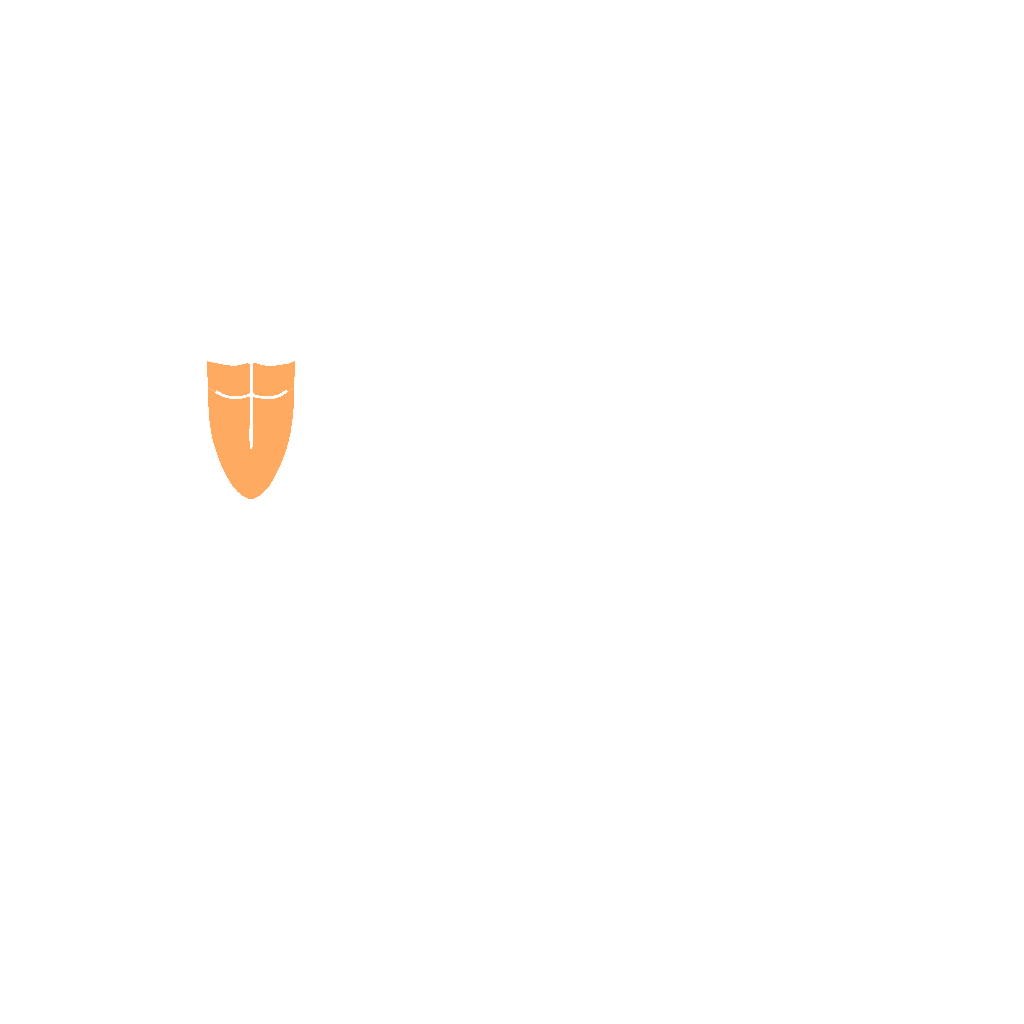
- Erector Spinae




- Target
- Erector Spinae
- Secondary
- Abdominal External Oblique, Upper Rectus Abdominals
How to do it
- 1
Start on all fours with hands under shoulders and knees under hips.
- 2
Inhale and drop your belly, lifting your chest and tailbone into the cow position.
- 3
Exhale and round your spine toward the ceiling, tucking your chin and tailbone into the cat position.
- 4
Move slowly and let the motion travel through the whole spine.
- 5
Flow between the two for 30 to 60 seconds, matching the pace to your breath.
Tips
- Lead the movement with the pelvis and let the rest of the spine follow.
- Keep your arms straight and press the floor away to spread the upper back.
- Move within a comfortable range rather than forcing the end positions.
Variations
Common mistakes
- The hips rock forward and back over the knees, so what looks like spinal movement is the whole body sliding on the mat; keep the knees under the hips and let the spine move.
- The neck cranks up in cow and drops in cat while the middle of the back barely changes shape, and the mid-back is the segment that most needs it.
- Breath and movement come apart and the drill turns into a fast bounce; the inhale belongs with the arch, the exhale with the round.
- The elbows bend and the chest sinks between the shoulders during cow, letting the shoulder blades do the job the spine should be doing.
- The rounding half gets all the attention because it feels familiar from sitting, while the arch, the range most people are actually short of, gets cut off early.
Frequently asked
- How many cat-cow reps should a beginner do?
- Eight to twelve slow cycles, or simply 30 to 60 seconds of moving with the breath, one or two rounds at the start of a session or as a break from sitting. Progress by slowing down rather than adding reps: a five-second transition each way with a short pause at both ends asks far more of the spine than a fast set of twenty.
- How do I make cat-cow easier or harder?
- For an easier version, do it seated on a chair, rocking the pelvis forward and back and letting the spine follow, or drop to your forearms if the wrists dislike the floor. To make it harder, pause at each end position for three to five breaths, or add a rock of the hips back toward the heels at the end of the round so the lower back gets a longer pull.
- What is cat-cow good for?
- It moves the spine through flexion and extension with no load, which loosens a stiff back and gets the breath and trunk working together, so it fits at the start of a session or as a mid-morning break from a desk. It is a poor substitute for a lat or hip stretch, since almost nothing outside the spine gets lengthened, and it builds no strength; treat it as mobility work rather than training.
Related exercises
Other movements among FitRay's 2,000+ exercises that load the same target muscle — same equipment and level first.