Revolved Wide-Legged Forward Fold
This pose layers a deep spinal rotation onto a hamstring and inner-thigh stretch, making it a favorite transition in wide-legged flows. The hamstrings and adductors lengthen under load while the obliques rotate the ribcage open. It builds rotational mobility and teaches you to keep length in the spine while inverted.
- Equipment
- Body Weight
- Type
- Balance, Stretching, Yoga
- Browse by muscle
- Semitendinosus, Biceps Femoris, Abdominal External Oblique


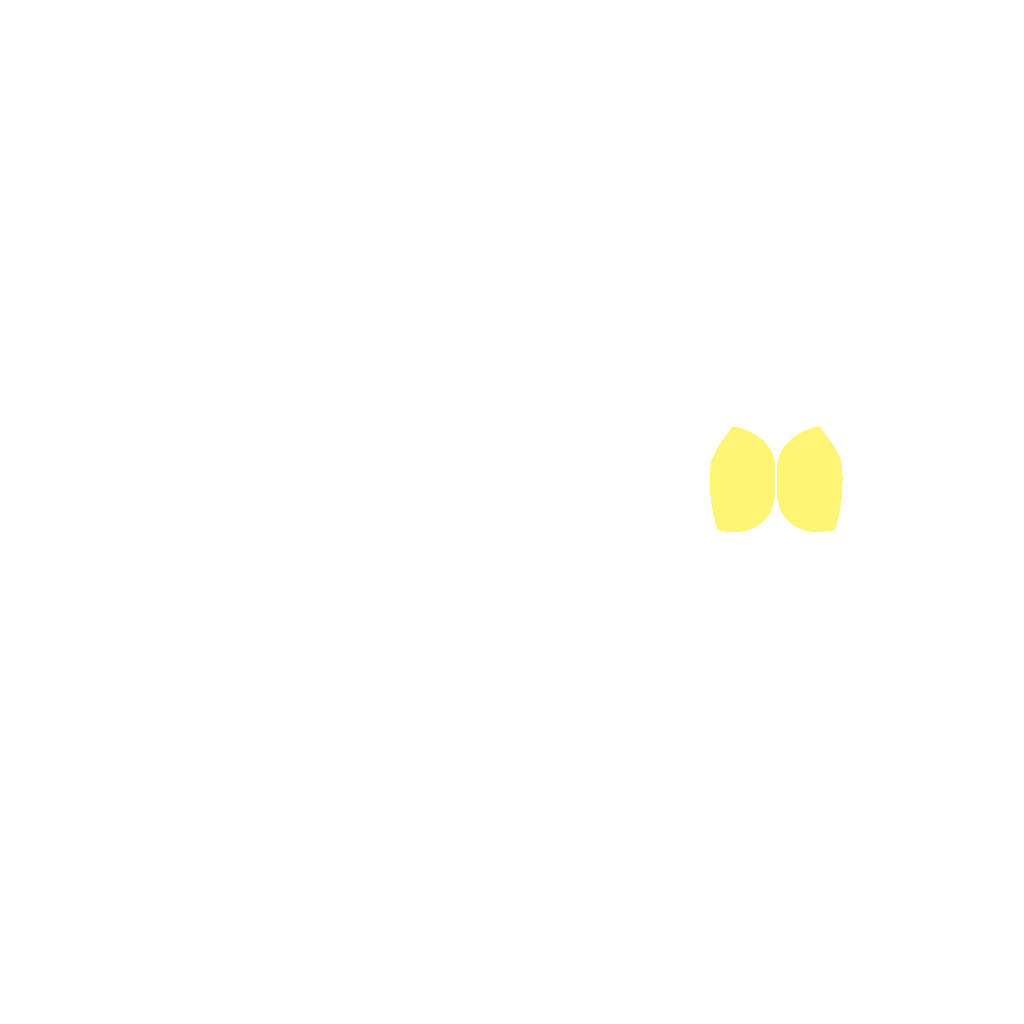

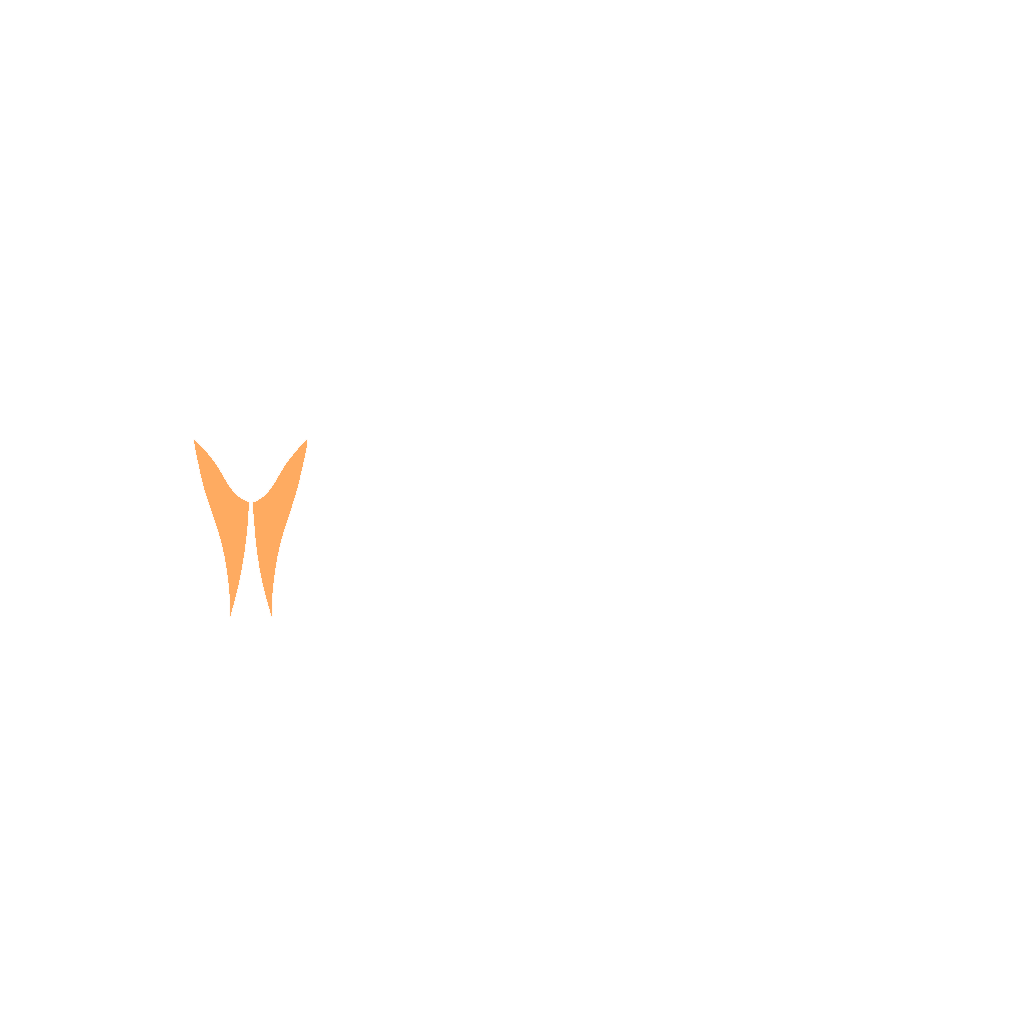



- Target
- Semitendinosus, Biceps Femoris, Abdominal External Oblique
- Secondary
- Erector Spinae, Adductor Longus
- Tertiary
- Gluteus Maximus
How to do it
- 1
Step the feet wide, roughly one leg length apart, with the outer edges parallel.
- 2
Hinge from the hips with a long spine and fold forward, placing one hand on the floor under the face.
- 3
Ground the standing hand and press the feet firmly to keep the legs active.
- 4
Inhale to lengthen, then exhale and rotate the ribcage, reaching the top arm toward the ceiling.
- 5
Stack the top shoulder over the bottom and turn the gaze up only if the neck is comfortable.
- 6
Hold for several breaths, lower the arm, and repeat the twist to the other side.
Tips
- Keep a micro-bend in the knees if the hamstrings pull hard, so the fold comes from the hips.
- Rotate from the mid-back and let the bottom hand act as a stable base, not a source of strain.
- Press the outer edges of the feet down to keep the inner arches lifted and the legs engaged.
Variations
Common mistakes
- The bottom hand lands out under the shoulder rather than under the face, so the turn has to be forced from the shoulder joint instead of the mid-back.
- The hips drift toward the side you are twisting to, which is why the stance starts to feel like it is collapsing halfway through the hold.
- The gaze goes up before the shoulders have stacked, and the neck ends up rotating further than the rest of the spine.
- Standing up while still turned loads a twisted spine at the worst moment; square the ribs first, then bend the knees and rise.
Frequently asked
- How long should you hold the revolved wide-legged forward fold?
- Four to six slow breaths per side, twice each side, works better than one long hold, since a twist loses its quality as soon as the breath gets short. Build depth by stacking the top shoulder further over the bottom one rather than by staying down longer, and take the second round only if the first felt steady.
- How do I make the revolved wide-legged forward fold easier or harder?
- To make it easier, put the bottom hand on a block or a chair seat, keep the knees softly bent, and rotate only until the chest faces the wall beside you. To make it harder, walk the bottom hand further under the chest, fold deeper before you turn, and reach the top hand behind your back toward the opposite hip.
- What is the revolved wide-legged forward fold for?
- It trains rotation while the hamstrings and adductors are already long, which suits people who sit all day and anyone playing a rotational sport. It is a poor choice with an irritable low back, since a loaded twist at end range asks a lot of it. If all you want is the hamstring and inner-thigh stretch, the plain wide-legged fold gives you that without the rotation to manage.
Related exercises
Other movements among FitRay's 2,000+ exercises that load the same target muscle — same equipment and level first.
- IntermediateBicycle CrunchBody Weight · Abs
- IntermediateRussian TwistBody Weight · Medicine Ball · Abs
- Intermediate5-10-5 Pro Agility ShuttleBody Weight · Glutes · Quads
- IntermediateForward Beast CrawlBody Weight · Abs · Shoulder
- IntermediateSide KickthroughBody Weight · Abs · Shoulder
- IntermediateSide Plank with Hip DipBody Weight · Abs