Single-Arm Plank
Lifting one arm turns a symmetrical plank into a fierce anti-rotation drill: the torso wants to twist and dump toward the empty side, and the obliques and rectus fire hard to stop it. It is a smart step up from the standard plank for lifters who need genuine trunk stiffness for pressing, carrying, and rotational sport. Program it as a timed hold in a core or warm-up block.
- Equipment
- Body Weight
- Body part
- Abs
- Type
- Functional, Strength
- Browse by muscle
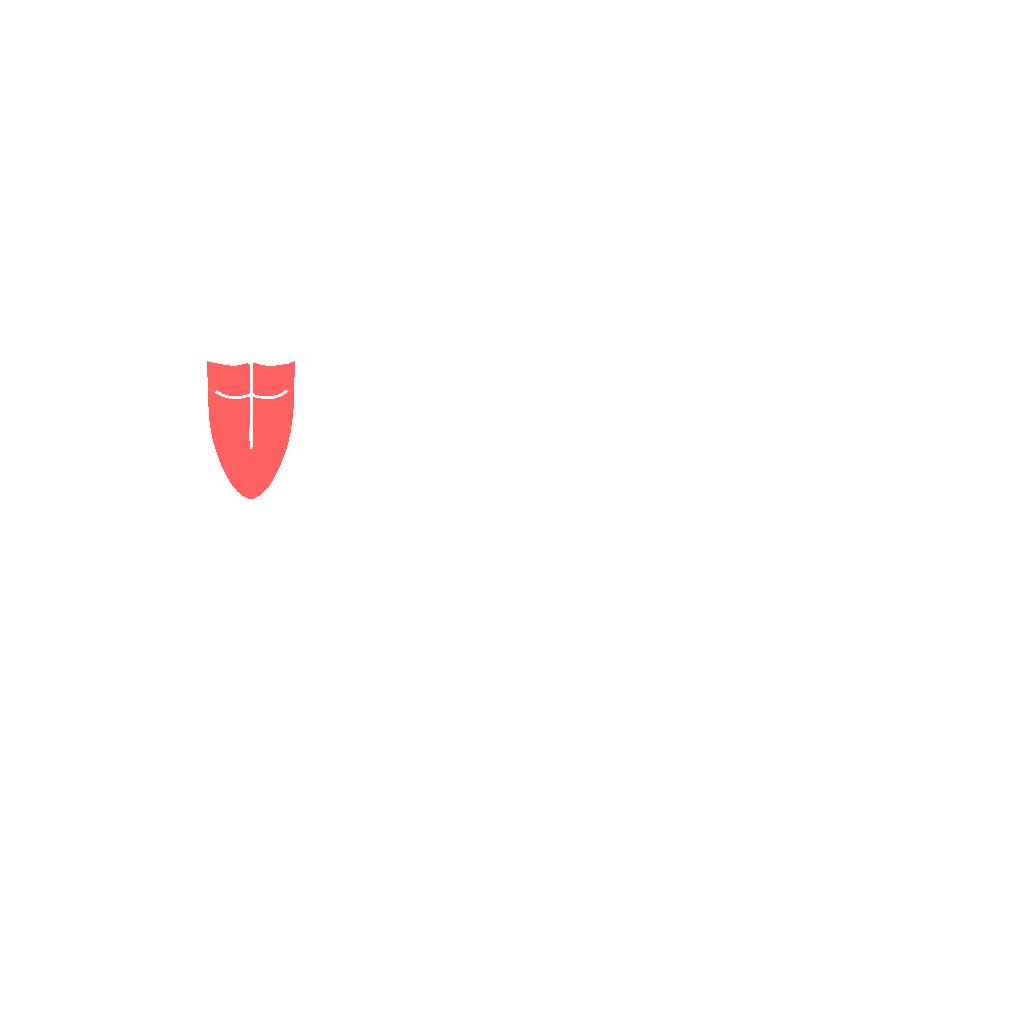
- Abdominal External Oblique, Upper Rectus Abdominals, Lower Rectus Abdominals
- Browse by movement
- Anti-Rotation, Core Brace







- Target
- Abdominal External Oblique, Upper Rectus Abdominals, Lower Rectus Abdominals
- Secondary
- Erector Spinae
- Tertiary
- Deltoid Anterior, Gluteus Maximus
How to do it
- 1
Set up in a standard forearm plank with elbows under shoulders and feet about hip-width.
- 2
Brace your abs, squeeze your glutes, and build a rigid line from head to heels.
- 3
Shift a touch of weight onto one forearm, then lift the other arm just off the floor.
- 4
Fight the urge to rotate: keep both hips square and level to the ground.
- 5
Hold for the prescribed time, breathing shallowly without letting the ribcage flare.
- 6
Replace the hand, reset, and repeat on the other side.
Tips
- Widen your feet if you cannot keep the hips from tipping; narrow them to make it harder.
- Imagine pinching a coin between your glutes to lock the pelvis in place.
- Do not let the supporting shoulder collapse; press the forearm down and spread the floor.
- Keep your neck long and gaze just ahead of your hands, not down at your feet.
Variations
Common mistakes
- The hips twist open toward the lifted-arm side the instant weight shifts off it, so the anti-rotation challenge that defines this plank never actually shows up.
- The ribcage flares out and the breathing goes shallow and rapid at the same time, loosening the brace right when the single-arm position needs it most.
- Lifting the arm high off the floor for style rather than the couple of inches the plank calls for adds nothing but a longer reach back down to reset.
- Rushing straight to the other side without a brief reset in a full two-hand plank carries leftover rotation from the last side into the next one.
Frequently asked
- How long should you hold the single-arm plank for when you are new to the exercise?
- 2 to 3 holds of 5 to 10 seconds per side with the feet set wide for a stable base, resting fully between sides. Extend the hold time before narrowing the stance, since a narrower base raises the difficulty on its own.
- How do you make the single-arm plank easier or harder?
- Easier: widen your feet for a bigger base, or only lift the fingertips instead of the whole hand. Harder: narrow the feet together, or lift the opposite-side leg at the same time.
- What is the single-arm plank good for?
- It builds anti-rotation trunk stiffness useful for pressing, carrying, and rotational sports, a smart step up from a standard plank. It's a poor choice for anyone who still can't hold a standard two-arm plank with a flat back and level hips for 30 seconds; that stability has to exist before removing an arm makes sense.
Related exercises
Other movements among FitRay's 2,000+ exercises that load the same target muscle — same equipment and level first.
- IntermediateForward Beast CrawlBody Weight · Abs · Shoulder
- IntermediateSide Plank with Hip DipBody Weight · Abs
- IntermediateThe HundredBody Weight · Abs
- IntermediateBackward Beast CrawlBody Weight · Abs · Shoulder
- IntermediateBeast ReachBody Weight · Abs · Shoulder
- IntermediateBeast Shoulder TapBody Weight · Abs · Shoulder