Suitcase Carry
Carrying weight in one hand loads the obliques and lateral core, which must fight to keep you upright and level as you walk. It exposes side-to-side imbalances and builds the anti-lateral-flexion strength that protects the spine in real-world lifting and carrying. Load one side at a time and you get a demanding core and grip builder disguised as a simple walk.
- Equipment
- Dumbbell, Kettlebells
- Type
- Balance, Functional
- Browse by muscle
- Abdominal External Oblique, Erector Spinae
- Browse by movement
- Carry





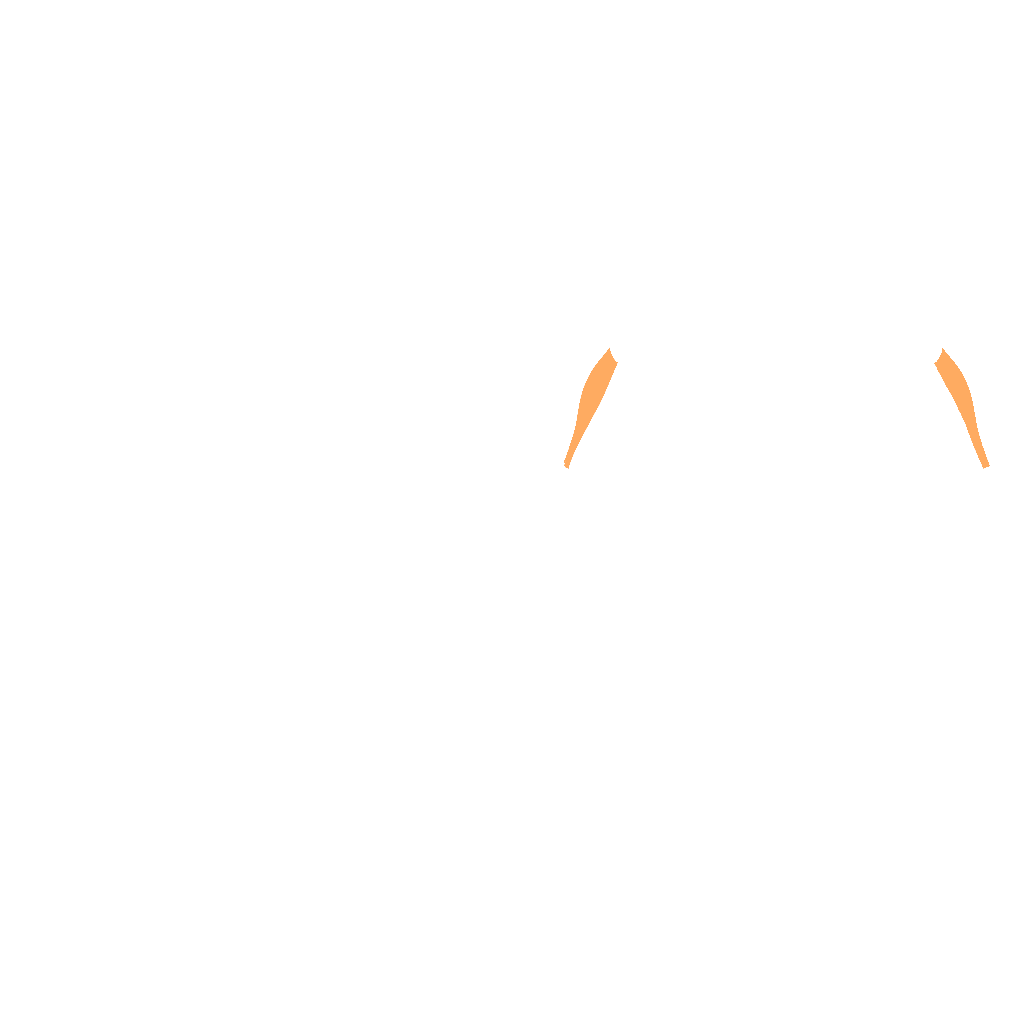





- Target
- Abdominal External Oblique, Erector Spinae
- Secondary
- Trapezius Upper, Extensors, Brachioradialis, Gluteus Medius
- Tertiary
- Deltoid Middle
How to do it
- 1
Set a heavy dumbbell or kettlebell on the floor beside one foot.
- 2
Hinge down and grip it firmly with a flat back.
- 3
Stand tall and let the weight hang at your side without leaning toward it.
- 4
Brace the core hard and keep both shoulders level.
- 5
Take short, controlled steps in a straight line, staying square.
- 6
Walk the set distance, switch hands, and repeat on the other side.
Tips
- Do not let the loaded side pull you into a lean; stay perfectly upright.
- Keep both shoulders level and the ribs stacked over the hips.
- Squeeze the free hand into a fist to help brace the whole trunk.
- Match the distance on both sides to build even strength.
Variations
Common mistakes
- The weight swings forward and back like a pendulum on longer strides, adding a rotational tug at the hip that a shorter, quieter step avoids.
- A lifting strap comes out the moment grip gets hard, which trades away the forearm and grip work that is part of the point of the exercise.
- Setting the weight down by letting it drop the last few inches jolts the low back right as the set ends, when fatigue has already eaten into the brace.
- Looking down at the feet to check position rounds the neck and upper back forward, which drags the ribs out of the stacked position the brace depends on.
- The stride shortens dramatically only on the loaded side to avoid the lean, creating an uneven gait instead of fixing the actual core bracing problem.
Frequently asked
- How many sets and reps of the suitcase carry should you do when you are new to the exercise?
- Carry for 20 to 30 seconds or about 20 meters per side for 2 to 3 sets, choosing a weight that lets you finish the distance without the torso tipping. Progress by adding distance or time first, and only add load once you can hold a dead-even posture for the full carry.
- What can I use instead of a dumbbell or kettlebell for the suitcase carry?
- A heavy grocery bag, a filled water jug, or a sandbag all work fine since the exercise only needs a single awkward, heavy object carried at your side. If you have nothing heavy at all, carrying two lighter, mismatched bags, one heavier than the other, still creates the side-to-side challenge this exercise is built around.
- What is the suitcase carry good for, and when is it not worth doing?
- It builds the anti-lean core strength and grip endurance that carry over to everyday lifting and carrying, and it doubles as a simple way to check for left-right imbalance. It is not a max-strength builder, so if your goal is raw core strength, pair it with heavier bracing work rather than relying on it alone.
Related exercises
Other movements among FitRay's 2,000+ exercises that load the same target muscle — same equipment and level first.
- IntermediateDouble Dumbbell Overhead CarryDumbbell · Shoulder · Traps
- IntermediateDumbbell Front-Rack CarryDumbbell · Abs · Traps
- IntermediateFront-Rack CarryDumbbell · Kettlebells · Abs
- IntermediateKettlebell Double Rack CarryKettlebells · Abs · Traps
- IntermediateLoaded Carry MarchDumbbell · Kettlebells · Abs
- IntermediateSingle-Arm Dumbbell Front-Rack CarryDumbbell · Abs · Traps