Supported Reclining Twist
Resting the knees on a bolster means you can hold a reclining twist for minutes without any muscular effort, letting the obliques and low back slowly unwind. The prop keeps the rotation gentle and even, which is ideal for sensitive backs and for calming down at the end of the day. It is one of the most soothing shapes in a restorative practice.
- Equipment
- Yoga Block
- Type
- Recovery, Stretching, Yoga
- Browse by muscle
- Abdominal External Oblique


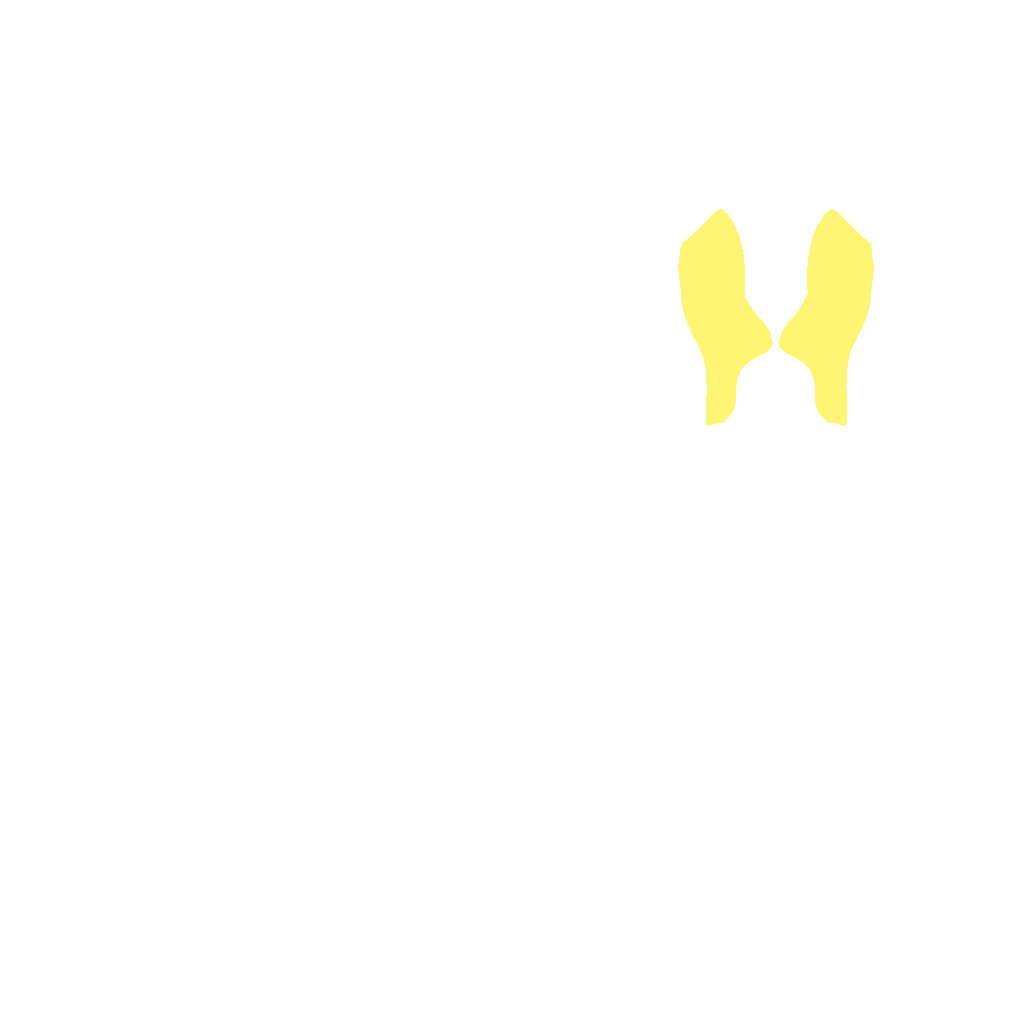


- Target
- Abdominal External Oblique
- Secondary
- Erector Spinae
- Tertiary
- Latissimus Dorsi
How to do it
- 1
Lie on your back with a bolster resting on the floor beside your right hip.
- 2
Draw both knees toward the chest, then lower them onto the bolster to the right.
- 3
Let the knees and shins rest fully supported so no effort is needed to hold them.
- 4
Open the arms wide and, if it feels good, turn the head to the left.
- 5
Soften completely and breathe slowly for one to two minutes.
- 6
Bring the knees back to center, move the bolster to the other side, and repeat to the left.
Tips
- Keep both shoulder blades resting toward the floor even if the head turns.
- Raise the bolster higher if the twist feels like too much on the low back.
- Let this be entirely passive; there is nothing to reach for or deepen.
Variations
Common mistakes
- The bolster ends up under the shins only, so the top knee hangs in the air and the hip holds it there for the whole pose; slide the prop up until it carries the legs from mid-thigh to ankle.
- The knees go across without the hips first shifting a few inches the other way, and the spine curves sideways instead of rotating; move the hips away from the direction of the twist first.
- Thirty seconds a side wastes the setup; what the props buy you is the few minutes it takes a guarded low back to stop holding on.
- Sitting straight up afterward surprises a back that has been quiet for minutes; roll flat, hug the knees for a breath, then come up onto one side.
Frequently asked
- How long should a beginner hold the Supported Reclining Twist?
- One to three minutes per side, one round each way, and up to five minutes if you are using it to wind down at night. Nothing is being worked, so daily is fine. There is no depth to progress here; what changes over weeks is how quickly the low back settles, and you will notice you stop fidgeting sooner. If the legs feel restless, the prop is probably too low rather than the hold too long.
- What can I use instead of a bolster for the Supported Reclining Twist?
- A firm pillow, a rolled blanket, a stack of folded towels, or a sofa cushion all work, and two pillows stacked give a taller prop for a stiffer back. A yoga block under a folded blanket does the same job. Whatever you use needs to be firm enough to hold the weight of both legs without flattening, because a prop that collapses puts the hip back to work. With nothing at all, do the twist with the knees bent and the feet on the floor so the legs support themselves.
- What is the Supported Reclining Twist good for, and when is it a poor choice?
- Because the legs are carried, you can stay long enough for the obliques and low back to unwind with no holding at all, which makes it a restorative position rather than a stretch. It suits sensitive backs, the end of a hard training week, and the half hour before sleep. It is a poor choice if you want more rotational range, where an active twist does more in a fraction of the time, and it is not the answer for an acute back episode with radiating pain; that needs assessment, not props.
Related exercises
Other movements among FitRay's 2,000+ exercises that load the same target muscle — same equipment and level first.