Tiptoe Pose
Tiptoe Pose is an advanced calf and balance challenge that squats the hips low while balancing high on the toes. The calves work intensely to hold the heel lift, the quads control the deep knee bend, and the small muscles of the foot and ankle fight to keep you centered. It is a serious test of ankle strength and proprioception, so approach it patiently.
- Equipment
- Body Weight
- Type
- Balance, Yoga
- Browse by muscle
- Soleus Gastrocnemius
- Browse by movement
- Calf Raise, Squat








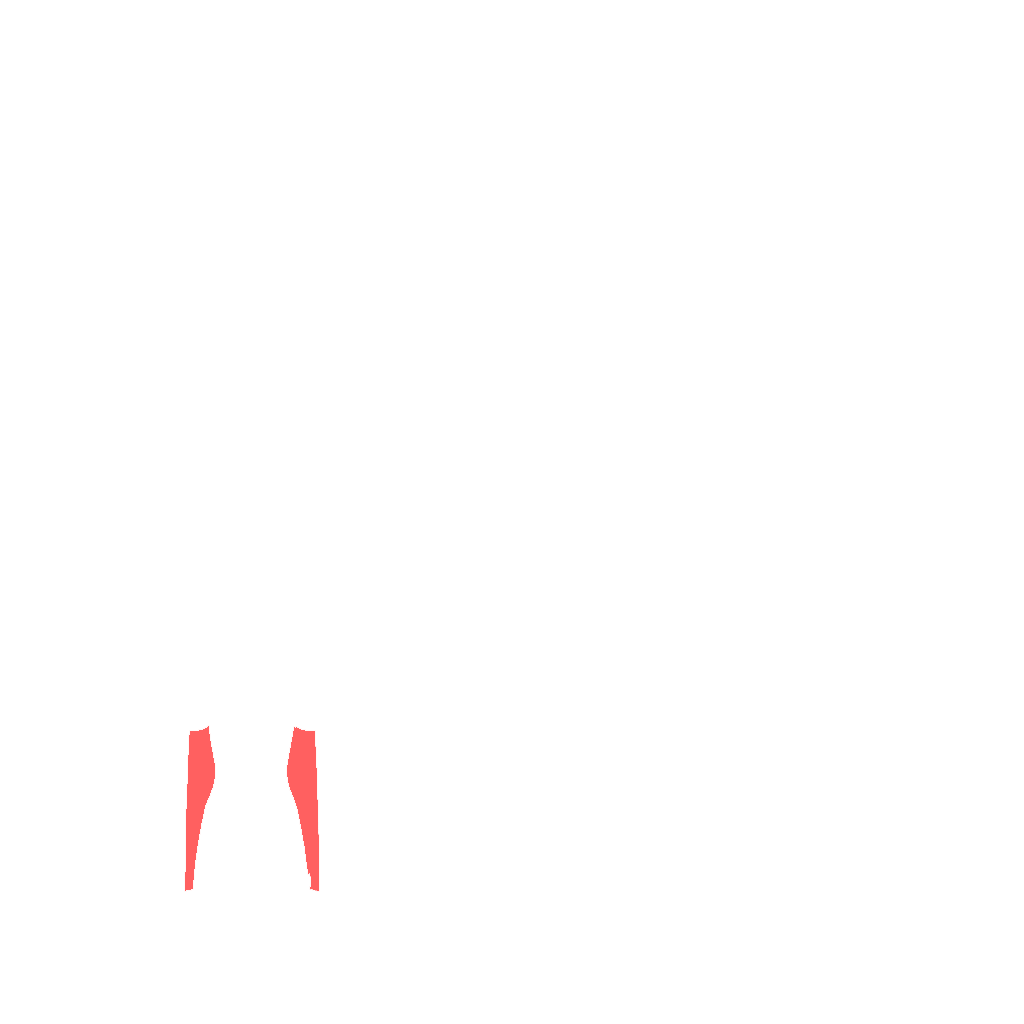
- Target
- Soleus Gastrocnemius
- Secondary
- Rectus Femoris, Vastus Lateralis
- Tertiary
- Gastrocnemius Lateral Head, Gastrocnemius Medial Head, Tibialis Anterior, Fibularis Longus
How to do it
- 1
Stand tall, then rise onto the balls of both feet and find your balance.
- 2
Bend the knees and lower the hips slowly, staying high on the toes.
- 3
Bring the hands to the heart or reach them forward as a counterbalance.
- 4
Keep the spine upright and the gaze fixed on a steady point.
- 5
Sink only as low as you can control, then hold and breathe evenly.
- 6
Press through the feet to rise, then lower the heels with control.
Tips
- Press evenly across all the toes so the ankles do not roll outward.
- Descend slowly and keep the knees tracking over the toes as you lower.
- Practice near a wall for a light fingertip touch until the balance is reliable.
Variations
Common mistakes
- The heels sink back toward the floor as the hips drop, which quietly turns this into an ordinary deep squat; the height of the heel lift at the bottom is the whole pose.
- The chest pitches forward over the knees to stop you tipping back, which loads the quads and takes the balance out of the feet; stay upright and counterbalance with the hands.
- Depth gets taken on the way down without asking whether the calves can bring you back up, so the hold ends in a crash onto the heels; stop where you can reverse.
- The toes curl and grip the mat, which cramps the foot within a few breaths; press the pads of the toes down and let the arch stay long.
- Socks on a wooden floor or a thin mat over tile give the forefoot nothing to hold, and the slide arrives at the bottom of the bend; go barefoot with a wall in reach.
Frequently asked
- What is a sensible starting dose for Tiptoe Pose, and what should I be able to do first?
- Hold a full-height two-footed heel raise for 30 to 45 seconds and sit comfortably in a deep squat with the heels down before you combine them. Then three to five attempts of three to five breaths each, a fingertip on a wall, two or three times a week. Go deeper before you go longer: an extra inch of depth at five breaths is worth more than ten breaths held high. Come out and shake the calves whenever they start to tremble.
- How do I make Tiptoe Pose easier or harder?
- Easier: hold a doorframe or a chair with both hands, lower only a few inches, and keep the heels as high as they will go at that shallow depth. Lifting only to half heel height while you learn the balance is a reasonable stepping stone. Harder: reach the hands overhead, sink to your deepest squat with the heels still lifted, hold for longer, close the eyes, or move slowly up and down for several reps before holding.
- What is Tiptoe Pose good for, and who should leave it out?
- It builds calf strength, foot and ankle control and the proprioception that toe-balance poses rely on, and it is an honest test of whether a heel raise holds up under a deep knee bend. It is a poor choice if your knees complain in deep flexion, since both are fully bent under your weight, and a poor one with an unstable or recently sprained ankle. For calf size, loaded heel raises do more with far less balance demand, so treat this as skill work rather than strength work.
Related exercises
Other movements among FitRay's 2,000+ exercises that load the same target muscle — same equipment and level first.
- BeginnerBent-Knee Heel DropBody Weight · Calves
- IntermediateSingle-Leg Balance to Calf RaiseBody Weight · Calves
- BeginnerSeated Calf Raise (Machine)Machine · Calves
- BeginnerBanded Ankle PlantarflexionBand · Calves
- BeginnerBent-Knee Calf Raise (Dumbbell)Box · Dumbbell · Calves
- BeginnerSeated Band Calf RaiseBand · Bench · Box