Tuck Dragon Flag
The tuck dragon flag is the first real step toward the full dragon flag. By pulling the knees in you shrink the lever arm, which drops the demand on the abs and lets you own the position before straightening out. It teaches you to keep the whole body rigid and lower under control, so it is the bridge between reverse crunches and advanced anti-extension work.
- Equipment
- Body Weight
- Body part
- Abs
- Type
- Strength
- Browse by muscle
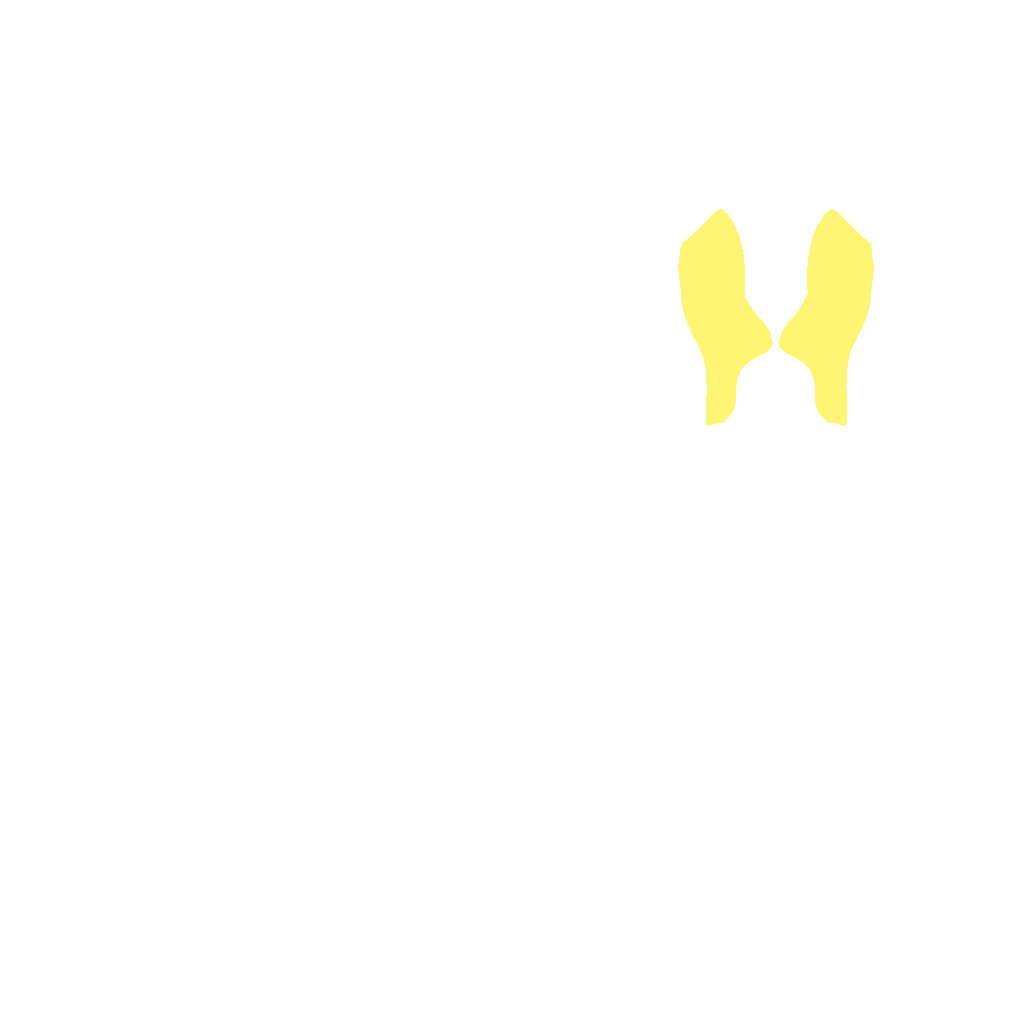
- Lower Rectus Abdominals, Upper Rectus Abdominals
- Browse by movement
- Core Brace







- Target
- Lower Rectus Abdominals, Upper Rectus Abdominals
- Secondary
- Rectus Femoris, Abdominal External Oblique
- Tertiary
- Latissimus Dorsi, Erector Spinae
How to do it
- 1
Lie on a bench or floor and grip a solid anchor behind your head with both hands.
- 2
Tuck your knees toward your chest and lift your hips so your weight rests on your upper back and shoulders.
- 3
Keeping the knees tucked, lower your hips and legs as one rigid unit until your body hovers just off the surface.
- 4
Stop before your lower back arches or touches down.
- 5
Pull back up with the abs to the starting stacked position.
- 6
Breathe out as you raise and in as you lower slowly.
Tips
- Brace hard and keep the tuck tight so the hips and torso move together.
- Do not let the lower back peel into an arch at the bottom; shorten the range instead.
- Squeeze the anchor with your hands and lats to stay stable.
Variations
Common mistakes
- The tuck opens as the hips get low, so the knees drift away from the chest and you end up attempting a longer lever than you can control.
- This turns into a reverse crunch whenever the hips stay on the bench; the hips have to travel with the legs, with only the upper back still in contact.
- Momentum from a swinging tuck gets used to return to the top, which skips the exact part of the range where the abs have to work hardest.
- Dropping the hips fast for the first half of the descent and then trying to catch them near the bottom puts the brake on precisely where the low back gives.
- People move to the straight-leg version after a few decent tuck reps; wait until ten slow reps and a two-second bottom hold feel easy, then extend one leg at a time.
Frequently asked
- How many reps of the tuck dragon flag should you do when you are new to the exercise?
- Three sets of 6 to 10 slow reps with about a minute of rest is a solid starting dose, and it belongs at the beginning of a core session rather than the end. Count the descent, aiming for three seconds down, and stop the set the moment the low back starts to lift, even if that leaves reps unused. Once ten controlled reps happen twice in a row, add a two-second pause at the bottom before you think about straightening a leg.
- How do I make the tuck dragon flag easier or harder?
- Easier: shorten the range so the hips travel only halfway down, or go back to a reverse crunch, which is the step before this one. Harder: pause at the bottom, slow the lowering to five seconds, or extend one leg while the other stays tucked. Straightening both legs gives you the full dragon flag, which is a far bigger jump than it looks from the tuck.
- What is the tuck dragon flag for?
- It bridges basic ab work and advanced anti-extension holds, teaching you to keep hips and ribs locked together while the whole body moves in one piece, which is the exact skill the full flag, the front lever and heavy overhead work all demand. It is not a fat-loss or high-rep conditioning drill, since sets are short and quality is the point. Skip it, or pad the surface, if pressing your shoulders into a hard bench bothers your neck.
Related exercises
Other movements among FitRay's 2,000+ exercises that load the same target muscle — same equipment and level first.