Elephant Trunk Pose
Elephant trunk pose hooks one leg over the same-side upper arm, then lifts the whole body off the floor while the opposite leg shoots straight forward and hovers. It is the gateway to eight-angle pose and a strong trainer of triceps lock-out, scapular depression, and hip-flexor compression. Accessible enough to build the pressing base for harder balances.
- Equipment
- Body Weight
- Type
- Balance, Strength, Yoga
- Browse by muscle
- Triceps Brachii Long Head, Triceps Brachii Lateral Head, Triceps Brachii Medial Head, Lower Rectus Abdominals
- Browse by movement
- Core Brace







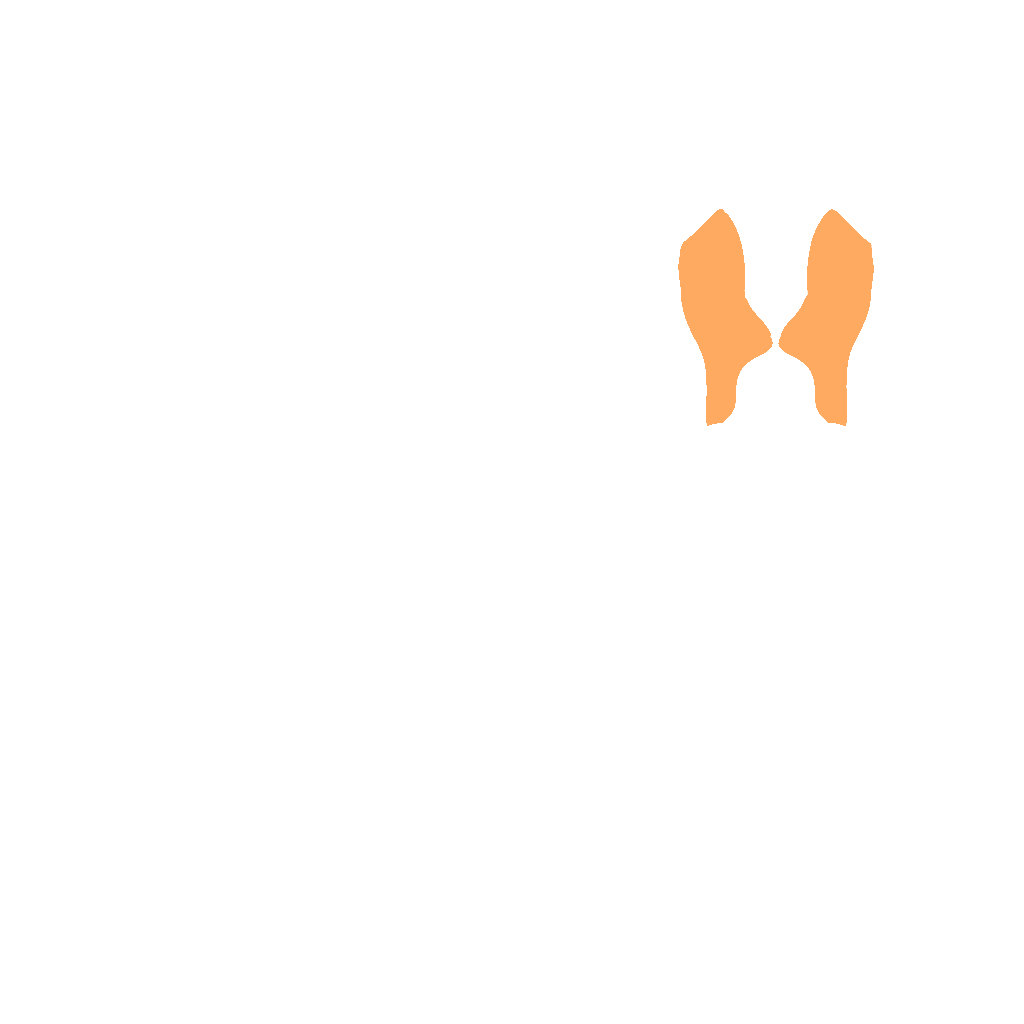

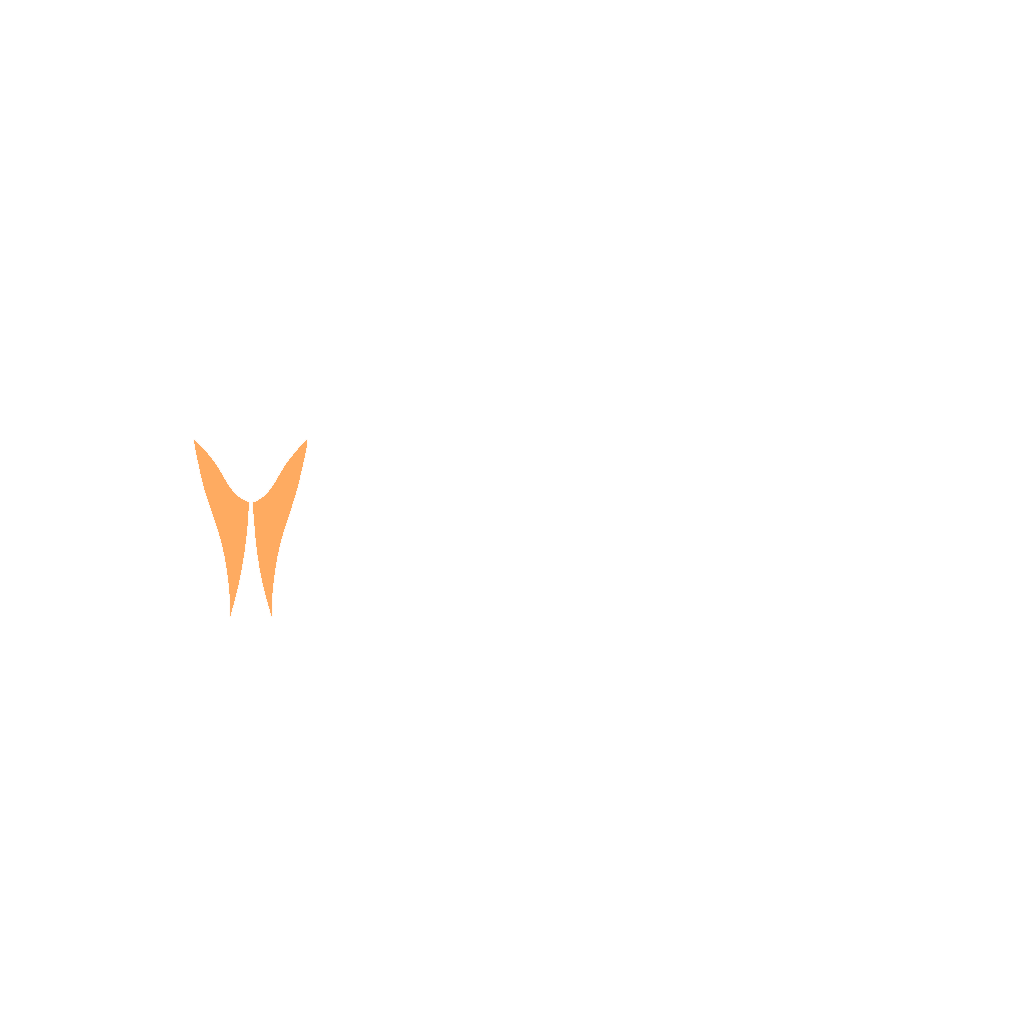




- Target
- Triceps Brachii Long Head, Triceps Brachii Lateral Head, Triceps Brachii Medial Head, Lower Rectus Abdominals
- Secondary
- Deltoid Anterior, Latissimus Dorsi, Rectus Femoris, Adductor Longus
- Tertiary
- Upper Rectus Abdominals, Trapezius Lower, Extensors, Brachioradialis
How to do it
- 1
Warm the wrists, then sit with the legs extended and hook the right knee high over the right upper arm near the shoulder.
- 2
Plant both palms flat on the floor beside the hips and spread the fingers.
- 3
Extend the left leg straight forward and flex the foot, keeping the thigh active.
- 4
Press the shoulders down, straighten the arms, and hollow the belly.
- 5
Push the floor away and lift the seat and the extended leg clear of the mat.
- 6
Hold the hover with the working leg gripping the arm, lower with control, and switch sides.
Tips
- Hook the bent knee as high toward the shoulder as you can, a high hook makes the lift far easier.
- Actively lift the straight leg with the hip flexors so it floats level rather than dragging on the floor.
- Press the palms down and back to depress the shoulders, and use blocks under the hands if your arms feel short.
Variations
Common mistakes
- The knee hooks low near the elbow rather than high by the shoulder, and from there the leg slides off as soon as you press and the hips never clear the mat.
- The straight leg drags along the floor instead of being carried, and that dead weight out front is usually the only reason the lift fails.
- The elbows stay slightly bent at the top, turning a straight-arm hover into a triceps hold nobody can sustain for more than a second or two.
- The torso pitches forward over the hands to force the lift, so the hips stay pinned behind the wrists where pressing harder does nothing.
- The hooked leg relaxes once the lift happens, and a loose thigh peels off the arm within a breath; keep it squeezing the arm for the whole hold.
Frequently asked
- How many lifts of Elephant Trunk Pose should you do on each side when you are new to the exercise?
- Four or five attempts per side of three to ten seconds, alternating sides, two or three times a week. Count only the attempts where the seat actually leaves the floor and ignore the rest. Rest a full minute between them, because the triceps fatigue long before the hip flexors do. Once you can hold fifteen seconds on both sides with the straight leg floating level, you have the press that Eight-Angle Pose asks for, which is the natural next step.
- What can I use if my arms feel too short to lift in Elephant Trunk Pose?
- Yoga blocks under both hands are the standard fix, and thick hardcover books, low push-up handles or a pair of sturdy low stools do the same thing: they raise your shoulders so the hips have somewhere to go. Sitting on the edge of a folded blanket also tips the pelvis forward and makes it easier to set the hook high on the arm. If you have nothing at all, work the lift with the front leg bent and its heel on the floor, then extend it a little further each session.
- What is Elephant Trunk Pose good for, and who should skip it?
- It builds straight-arm pressing strength, the shoulder-blade depression every arm balance runs on, and the hip-flexor compression that holds a leg up with nothing under it, all without putting your head below your heart. That makes it a sensible first arm balance. Skip it, or stay on blocks, if your wrists complain when loaded at an angle behind you, and leave it out while a hamstring is strained, since the front leg is held straight and active the whole time. For plain triceps size, a dip does more in less time.
Related exercises
Other movements among FitRay's 2,000+ exercises that load the same target muscle — same equipment and level first.