Arc Trainer
The arc trainer glides the feet through a long, sweeping arc that keeps the joints comfortable while loading the quads and glutes through a deep, controlled stroke. Because the foot path stays under the body, it feels more like a powerful stride than a standard elliptical and lets you push serious resistance without impact. It is a strong pick for steady cardio, intervals, or lower-body-biased conditioning.
- Equipment
- Machine
- Type
- Cardio
- Browse by muscle
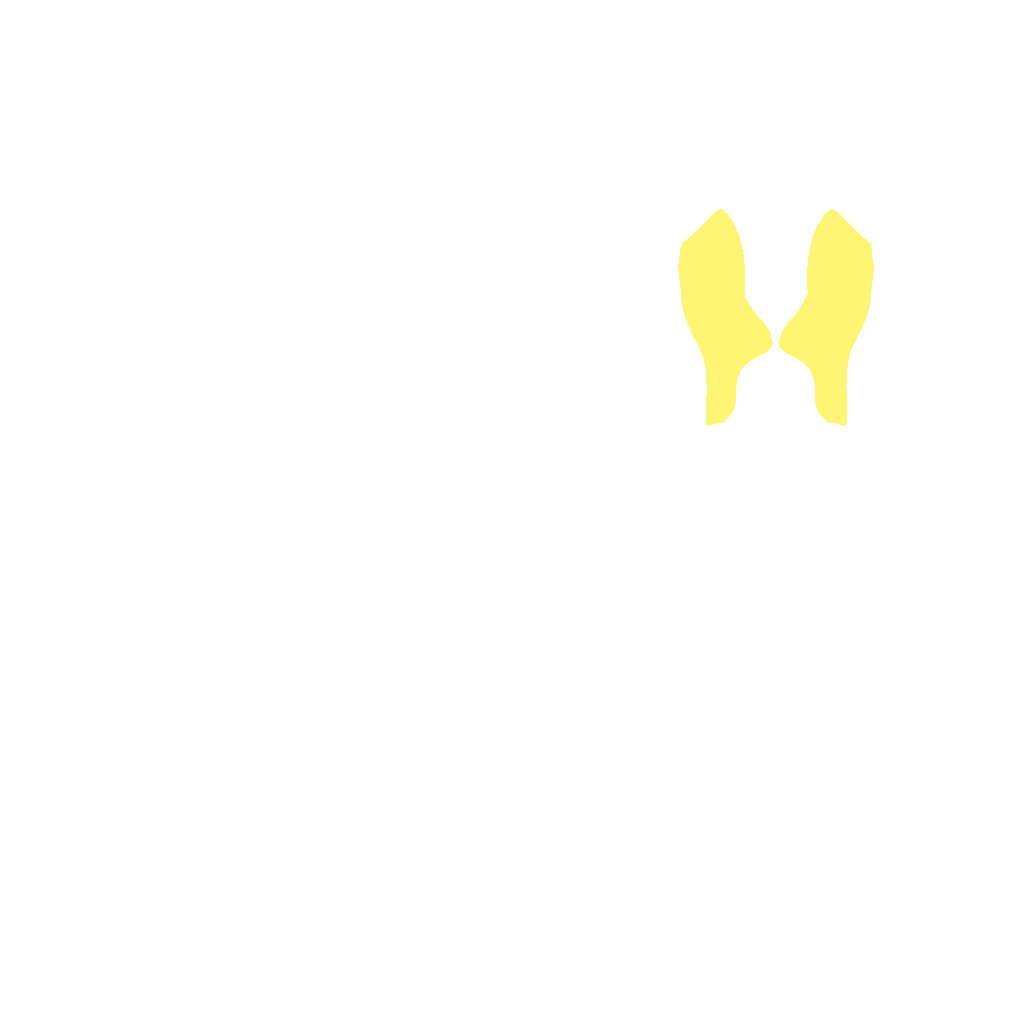
- Rectus Femoris, Vastus Lateralis, Gluteus Maximus











- Target
- Rectus Femoris, Vastus Lateralis, Gluteus Maximus
- Secondary
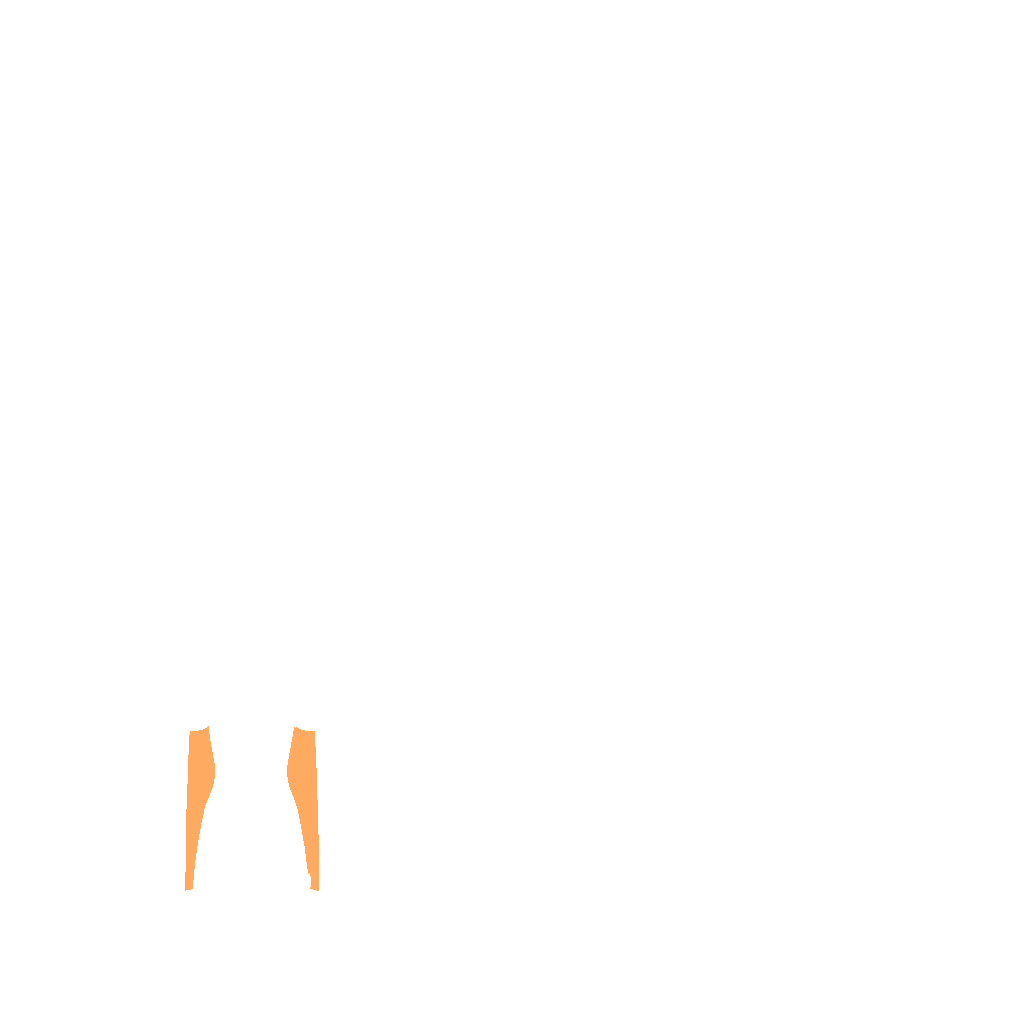
- Biceps Femoris, Semitendinosus, Gastrocnemius Medial Head, Gastrocnemius Lateral Head, Soleus Gastrocnemius
- Tertiary
- Deltoid Anterior, Latissimus Dorsi, Erector Spinae
How to do it
- 1
Step onto the foot plates and take hold of the moving or fixed handles.
- 2
Stand tall with your weight centered over the middle of the plates.
- 3
Begin striding along the arc, pushing through the whole foot on each stroke.
- 4
Coordinate the arm handles with the legs to bring in the upper body.
- 5
Raise the resistance or incline to increase the challenge as you warm up.
- 6
Slow the stride and drop the resistance to cool down.
Tips
- Push through the heels to keep the glutes and hamstrings loaded on each stroke.
- Keep your weight balanced over the plates rather than propping yourself on the handles.
- Add resistance instead of just striding faster once the motion feels easy.
Variations
Common mistakes
- The stride shrinks to a short shuffle as soon as the resistance climbs, trading the long arc that makes this machine worth using for a choppy quarter stroke.
- Incline gets set high while resistance is left near zero, so the legs travel a steep path with almost nothing to push against.
- Feet creep too far forward on the plates and the heel hangs over the front edge, which costs you the push through the last third of every stroke.
- The handles are held rather than driven, so the arms come along as passengers and the session stays a leg-only workout when the machine can give you more.
- Stopping dead at the end of a hard interval leaves the legs heavy and pooled; ride the stride and the resistance down for two or three minutes instead.
Frequently asked
- How long should a beginner use the arc trainer for?
- Twenty to thirty minutes at a pace where you can still talk in short sentences, three or four times a week, is a solid first month. For intervals instead, try one minute at a resistance that makes the stride feel heavy against two minutes easy, eight to ten times through. Progress by adding resistance or incline while holding the same stride rate, not by making sessions longer. The machine is built to take load, and a heavier stroke is what separates it from a walk.
- What can I do instead of the arc trainer at home?
- A standard elliptical is the nearest machine, though its flatter foot path gives the glutes less of the stroke; a stair climber loads them harder. With no machine, alternating sets of step-ups onto a knee-high box with reverse lunges reproduces the long, deep leg stroke, and a brisk incline walk keeps the cardio side honest. Hold a pair of dumbbells during the step-ups if you want the quads and glutes challenged the way high resistance challenges them here.
- Who is the arc trainer best for, and when should I skip it?
- It suits anyone who wants quad and glute-biased cardio without impact: deconditioned beginners, people with cranky shins or ankles, and lifters looking for conditioning that will not beat up the joints before leg day. Skip it if your goal is running fitness, since a fixed foot path teaches nothing about landing. Back the incline off if a knee complains at the deep end of the arc, where the stroke bends the knee further than an elliptical does.
Related exercises
Other movements among FitRay's 2,000+ exercises that load the same target muscle — same equipment and level first.