B-Stance Romanian Deadlift
The B-stance places the rear foot back on its toes as a kickstand, so the front hamstring and glute do the majority of the work while balance stays manageable. It bridges the gap between the two-legged RDL and the fully single-leg version, letting you overload one side without the wobble. A great option for evening out strength differences and grooving the hinge under control.
- Equipment
- Dumbbell
- Type
- Balance, Strength
- Browse by muscle
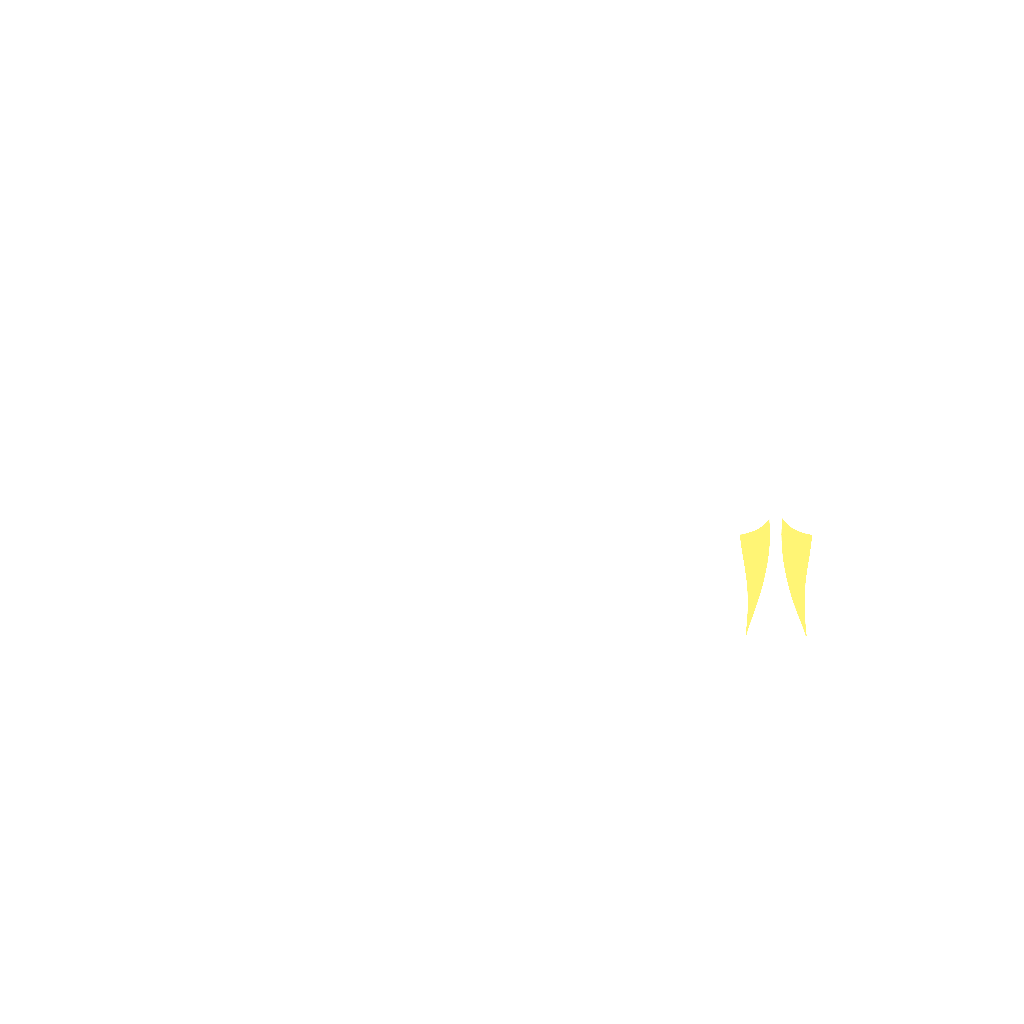
- Biceps Femoris, Semitendinosus, Gluteus Maximus
- Browse by movement
- Hinge








- Target
- Biceps Femoris, Semitendinosus, Gluteus Maximus
- Secondary
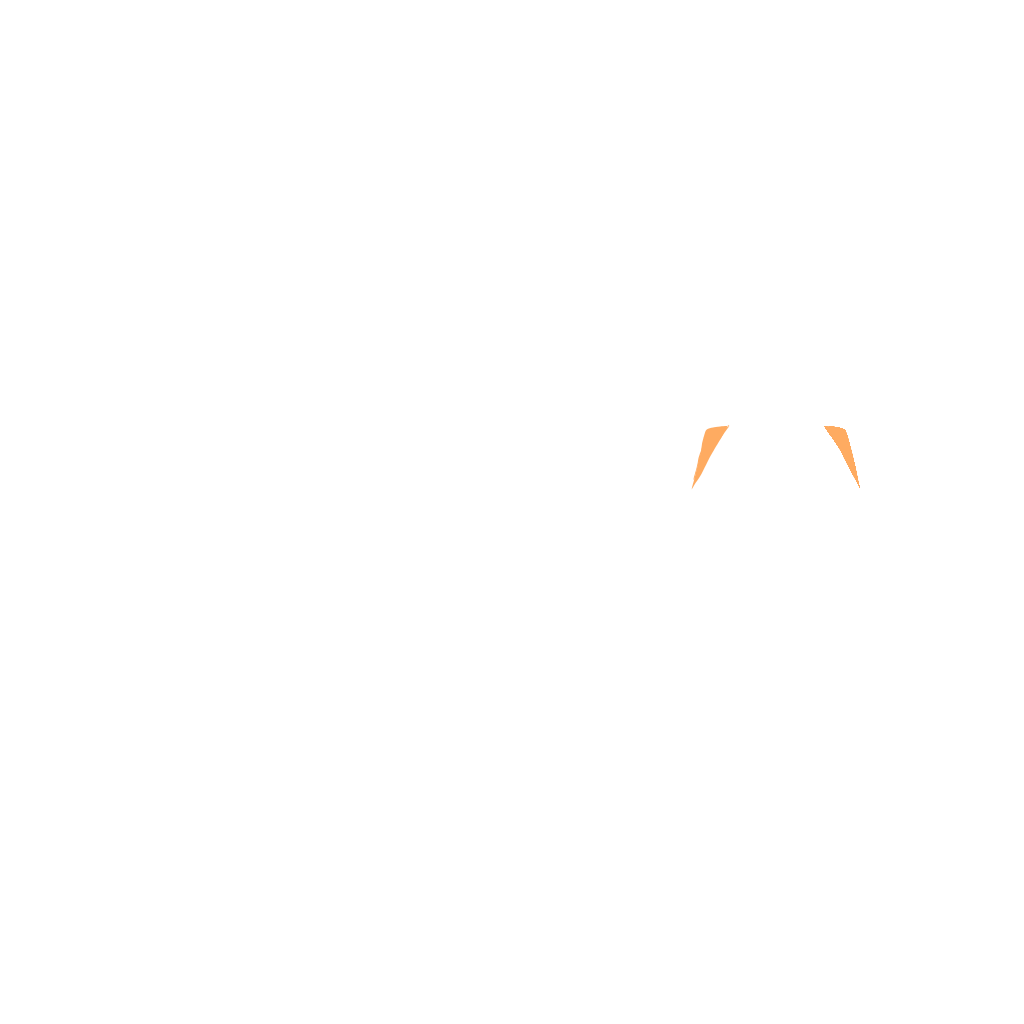
- Gluteus Medius, Erector Spinae
- Tertiary
- Adductor Magnus, Trapezius Upper
How to do it
- 1
Hold a dumbbell in each hand and stagger one foot back onto its toes as a kickstand.
- 2
Keep about eighty percent of your weight on the front foot.
- 3
Soften the front knee and set a flat, braced back.
- 4
Push the front hip back and let the weights slide down toward the shin.
- 5
Lower until you feel a strong stretch in the front hamstring.
- 6
Drive the front hip forward to stand tall, then finish the set and switch legs.
Tips
- Use the back leg only for balance, not to share the load.
- Keep the hips square so the front side takes the tension.
- Move slowly and feel the front hamstring lengthen on every rep.
Variations
Common mistakes
- The rear foot ends up a full stride back rather than a few inches, which turns the kickstand into a split stance and shares the load between both legs.
- The rear heel settles down onto the floor and that leg quietly starts pushing; it belongs up on the toes with barely any pressure through it.
- Both feet sit on the same line front to back, so the hips have nowhere to go and you rotate to make room; offset the rear foot a few inches to the outside.
- The front knee bends further as the weights come down, so the rep drifts toward a lunge and the hamstring loses the stretch the stance was set up to create.
- Switching legs without counting lets the stronger side collect more reps across a training block; run the same number on both, starting with the weaker leg.
Frequently asked
- How many sets and reps of the B-stance Romanian deadlift should you do when you are new to the exercise?
- The front leg is doing roughly three quarters of the work, so the numbers stay smaller than they look: three sets of 8 to 10 per leg with a moderate pair of dumbbells, well below your two-legged Romanian deadlift weight and well above what you can balance on one foot. Add reps up to 12 before adding load. Run the weaker leg first and give the stronger one the same reps rather than the same effort.
- What can I do instead of the B-stance Romanian deadlift with no dumbbells?
- A kettlebell in each hand, one bell held in both hands, or a band stood on with the front foot all load the same stance. With nothing to hold, the single-leg Romanian deadlift removes the rear foot entirely and makes bodyweight enough. Going the other way, a standard two-legged Romanian deadlift is the fallback when the kickstand position bothers the front hip.
- What is the B-stance Romanian deadlift good for, and who should skip it?
- It gives one hamstring and glute most of a two-legged load without the balance problem of standing on one foot, which makes it the natural bridge between the two and a practical fix for a side that keeps falling behind. Skip it when you are chasing maximum hamstring load and your balance is fine, since a barbell Romanian deadlift moves more weight, and skip it if the rear foot position irritates your toes or ankle; the single-leg version asks nothing of that foot.
Related exercises
Other movements among FitRay's 2,000+ exercises that load the same target muscle — same equipment and level first.
- IntermediateDumbbell Deadlift to High PullDumbbell · Glutes · Traps
- IntermediateDumbbell SwingDumbbell · Glutes · Hamstring
- IntermediateSingle-Arm Dumbbell Clean and PressDumbbell · Shoulder · Traps
- IntermediateB-Stance Hip ThrustBench · Dumbbell · Glutes
- IntermediateDumbbell CleanDumbbell · Glutes · Hamstring
- IntermediateDumbbell Clean and PressDumbbell · Glutes · Shoulder