Dumbbell Clean
The dumbbell clean trades the fixed bar path of a barbell for two independent implements, which forces each side of your body to produce and control power on its own. It hammers the posterior chain and traps through a violent hip extension, then finishes with a quick turnover into the front rack. Use it to build athletic power, to feed clean-and-press complexes, or as a lower-skill entry into Olympic-style lifting.
- Equipment
- Dumbbell
- Type
- Plyometric, Strength
- Browse by muscle
- Gluteus Maximus, Biceps Femoris, Erector Spinae, Trapezius Upper
- Browse by movement
- Hinge



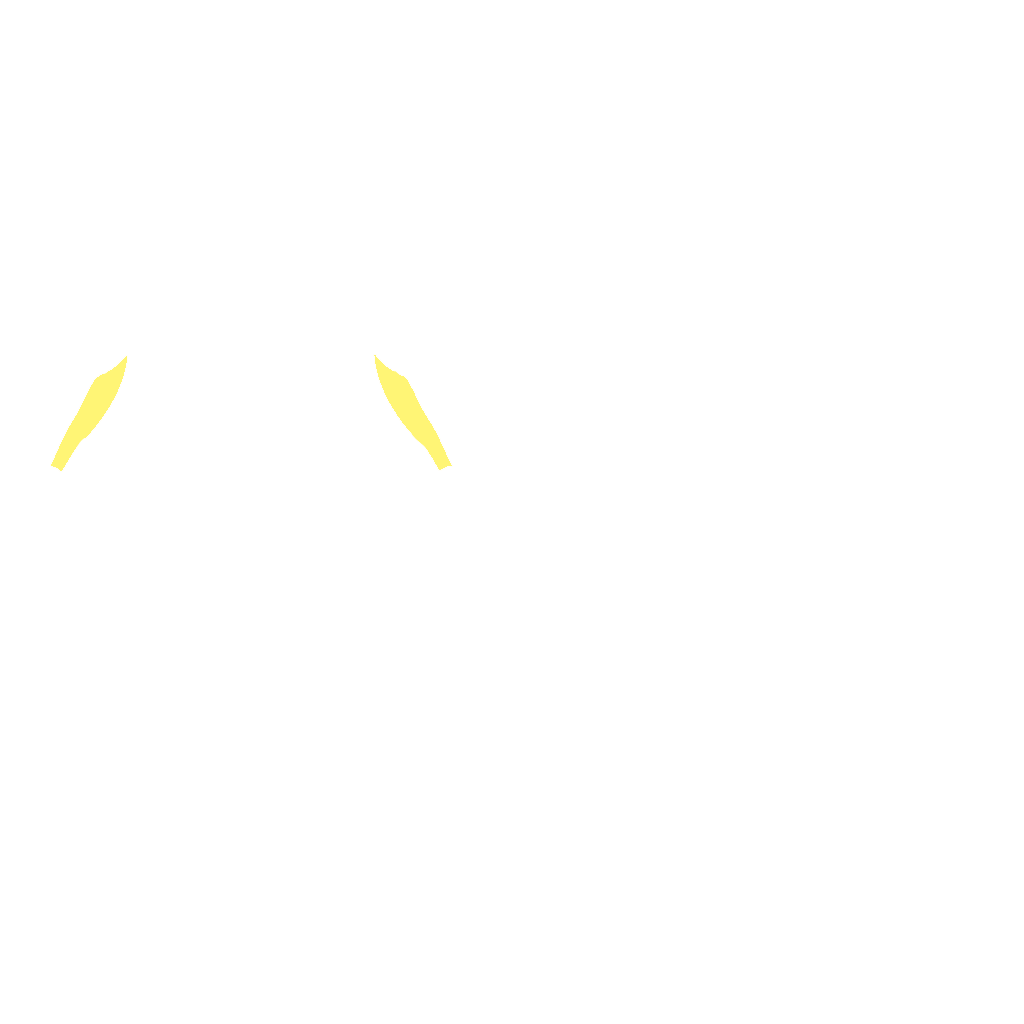
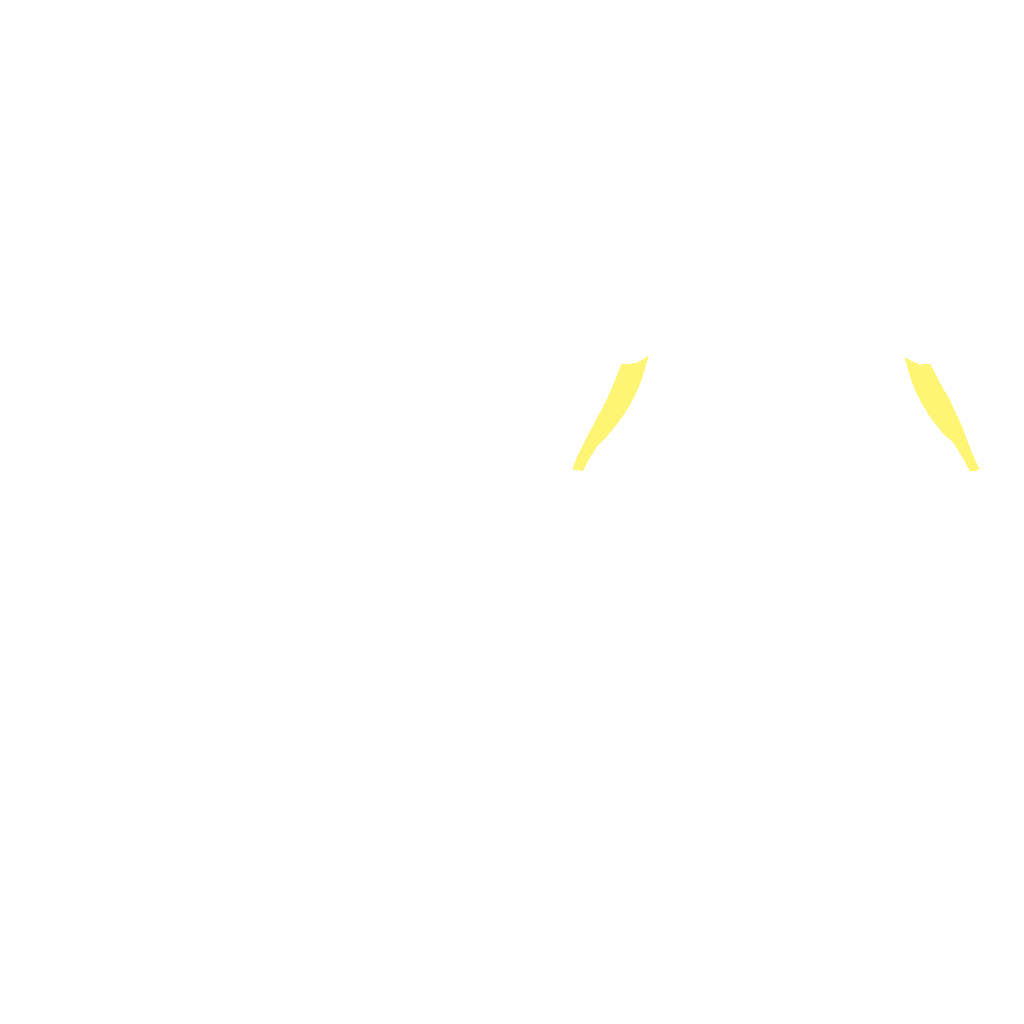



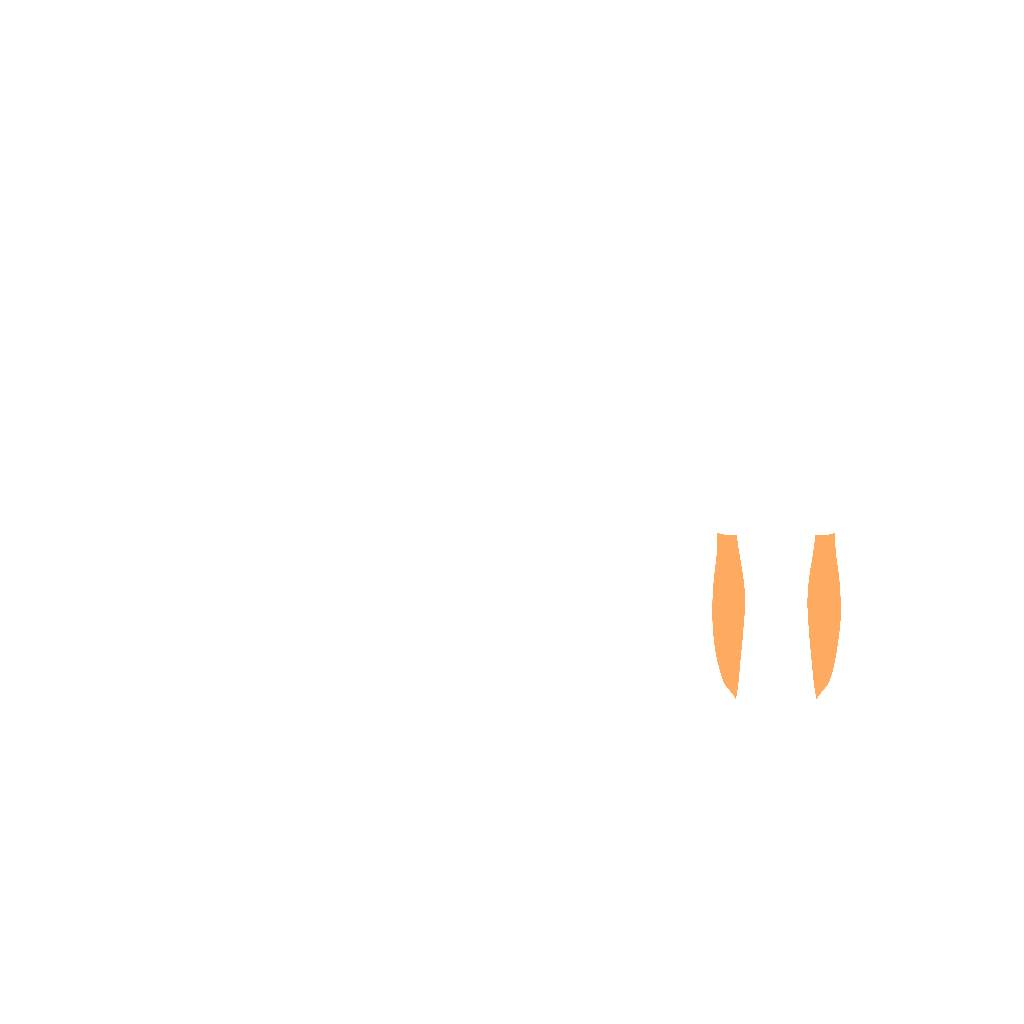






- Target
- Gluteus Maximus, Biceps Femoris, Erector Spinae, Trapezius Upper
- Secondary
- Vastus Lateralis, Rectus Femoris, Semitendinosus, Trapezius Middle
- Tertiary
- Deltoid Anterior, Brachioradialis, Abdominal External Oblique
How to do it
- 1
Set the dumbbells just outside your feet with a hip-width stance and a flat back.
- 2
Grip the handles with a neutral grip, chest up and shoulders slightly ahead of the bells.
- 3
Drive the floor away to bring the dumbbells past the knees, keeping them close to the legs.
- 4
Once they clear the thighs, extend the hips, knees, and ankles violently and shrug tall.
- 5
Whip the elbows down and around to catch the bells on the shoulders in a quarter squat.
- 6
Stand fully upright to finish, then lower the dumbbells under control for the next rep.
Tips
- Keep the dumbbells brushing close to your legs so the pull stays vertical and powerful.
- Finish the hip extension before the arms take over; early pulling robs the bells of speed.
- Turn the elbows over quickly so the bells land softly on the shoulders instead of crashing.
Variations
Common mistakes
- The dumbbells swing out away from the shins on the way up, turning a vertical pull into a looping curl that saps power.
- Shrugging the arms early, before the hips and knees have fully extended, cuts the pull short and leaves most of the power on the floor.
- The shoulders take the catch stiff and square instead of letting a quarter-squat absorb it, so the bells land hard instead of settling.
- Once one arm turns over a beat faster than the other, letting that asymmetry go uncorrected trains two sides at two different speeds.
Frequently asked
- How many reps of the dumbbell clean should you do when you are new to the exercise?
- Start with four sets of four to five reps with a moderate pair of dumbbells, resetting your stance fully between reps rather than stringing them together. Because each arm works independently, match timing side to side before adding weight.
- What can you use instead of dumbbells for the dumbbell clean?
- A pair of kettlebells cleaned to the rack trains nearly the same hip-drive-and-turnover pattern, just with a rounder catch. At home, two sturdy water jugs or filled bags can stand in for light technique reps, though they won't sit as cleanly on the shoulders.
- What is the dumbbell clean good for, and when should you leave it out?
- It builds explosive hip power and a fast turnover for athletes or anyone bridging toward barbell Olympic lifts. Leave it out, or drop the load way down, if you have wrist or shoulder pain at the catch, or if you can't yet keep both sides moving in sync.
Related exercises
Other movements among FitRay's 2,000+ exercises that load the same target muscle — same equipment and level first.
- IntermediateDumbbell Deadlift to High PullDumbbell · Glutes · Traps
- IntermediateDumbbell SwingDumbbell · Glutes · Hamstring
- IntermediateSingle-Arm Dumbbell Clean and PressDumbbell · Shoulder · Traps
- IntermediateB-Stance Hip ThrustBench · Dumbbell · Glutes
- IntermediateB-Stance Romanian DeadliftDumbbell · Glutes · Hamstring
- IntermediateDumbbell Clean and PressDumbbell · Glutes · Shoulder