Banded Bird-Dog Row
Adding a band row turns the bird-dog into a serious anti-rotation drill: the pull tries to twist the torso toward the working arm while you resist. That forces the erectors and obliques to lock the spine as the lats and mid-traps do the rowing. It is an excellent bridge between motor-control work and loaded pulling patterns.
- Equipment
- Band
- Type
- Functional, Strength
- Browse by muscle
- Erector Spinae, Abdominal External Oblique
- Browse by movement
- Anti-Rotation, Horizontal Pull




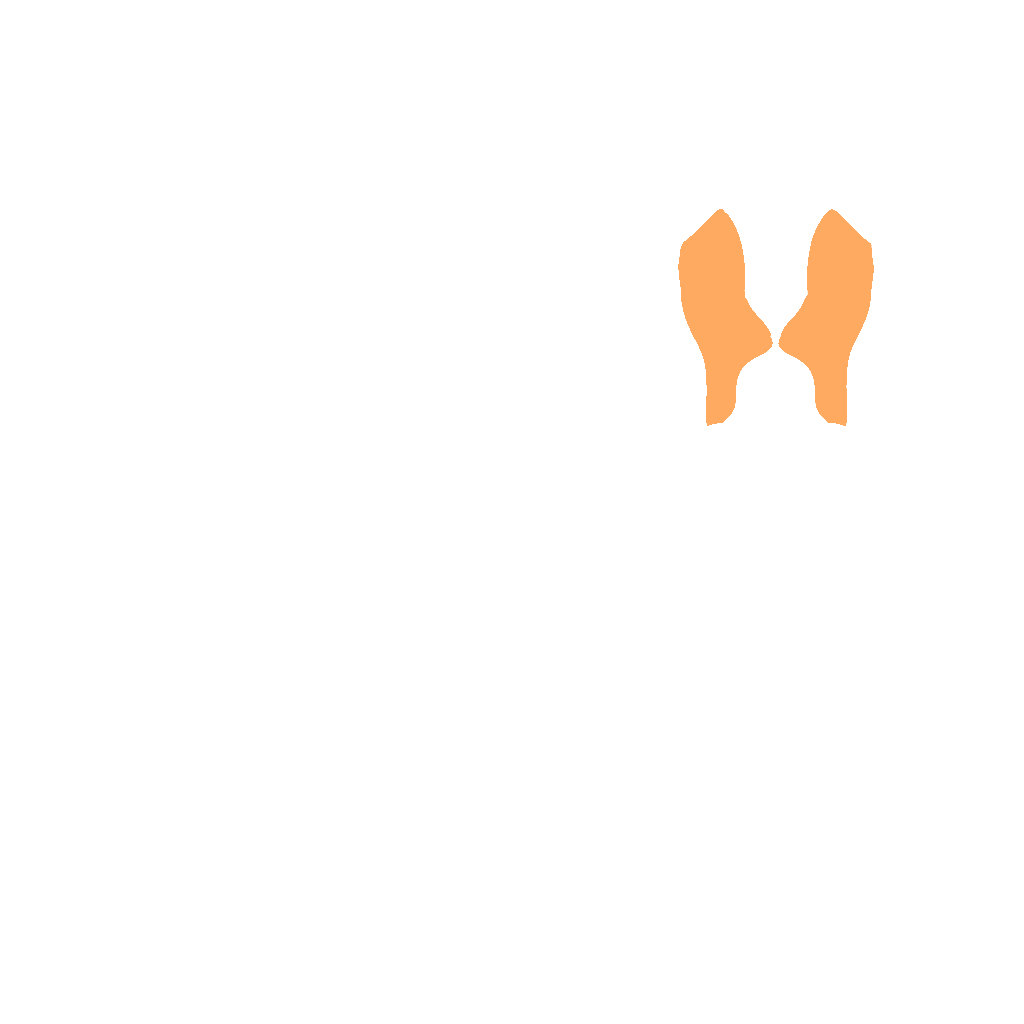



- Target
- Erector Spinae, Abdominal External Oblique
- Secondary
- Latissimus Dorsi, Gluteus Maximus
- Tertiary
- Trapezius Middle, Trapezius Lower
How to do it
- 1
Anchor a band low and in front of you and set up on hands and knees with a neutral spine.
- 2
Extend one leg straight back to hip height and hold the band in the opposite hand, arm reaching forward.
- 3
Brace hard and row the band to your ribs without letting the hips or shoulders rotate.
- 4
Extend the arm back to full reach under control, keeping the extended leg still.
- 5
Complete all reps on one side, then switch the arm, leg, and band hand.
- 6
Exhale as you row and keep the head in line with the spine.
Tips
- Keep the hips square to the floor; a level pelvis is the whole point of the drill.
- Balance a light object on your low back to check that the spine stays quiet during the row.
- Start with a light band so anti-rotation, not the row weight, is the limiting factor.
Variations
Common mistakes
- The hips rotate open toward the working arm right as the row starts, exactly the twist the band is pulling you into and you are supposed to resist.
- The extended leg drops toward the floor as focus shifts to the row, losing the hip extension that is half of what makes this an anti-rotation drill.
- Choosing too heavy a band lets the pull win the anti-rotation fight, so the torso twists a little on every rep even though the row itself still gets completed.
- The elbow flares out to the side during the pull instead of driving straight back past the ribs, turning the row into a lateral raise pattern.
- The head drops to watch the band, rounding the upper back and pulling the spine out of the neutral line the rest of the body is holding.
Frequently asked
- How many reps of the banded bird-dog row should you do when you are new to the exercise?
- Do 2 sets of 6 to 8 rows per side, keeping the band light enough that the hips stay square for every rep. Progress to a slightly heavier band only after you can complete a full set without any hip rotation, since band strength here should follow anti-rotation control, not the other way around.
- What can I do instead of the banded bird-dog row without a resistance band?
- A plain bird-dog hold, pausing for a few seconds in the extended position, trains the same anti-rotation demand without a band, just with less load on the back muscles. If you have a cable machine, a low cable row set up the same way works as a direct substitute.
- What is the banded bird-dog row good for, and who should stick with something simpler?
- It bridges motor-control work and loaded pulling by forcing the spine to stay locked while the lats and mid-back do a rowing motion, which carries over well to any loaded row or carry. Stick with a plain, unloaded bird-dog first if you cannot hold a level pelvis through a basic bird-dog hold, since adding a band row on top of poor control just reinforces the compensation.
Related exercises
Other movements among FitRay's 2,000+ exercises that load the same target muscle — same equipment and level first.