Bear Complex
The bear complex is a classic barbell conditioning sequence in which one rep links five lifts without setting the bar down: power clean, front squat, push press, back squat, and a second push press to lower the bar behind the neck or back to the front. Because the load never rests, it hammers the legs, shoulders, and posterior chain while your grip and lungs fight to keep up. It is an advanced full-body builder best programmed as short, heavy rounds with strict attention to form as fatigue climbs.
- Equipment
- Barbell
- Type
- Cardio, Strength
- Browse by muscle
- Rectus Femoris, Vastus Lateralis, Gluteus Maximus, Deltoid Anterior
- Browse by movement
- Hinge, Squat, Vertical Press













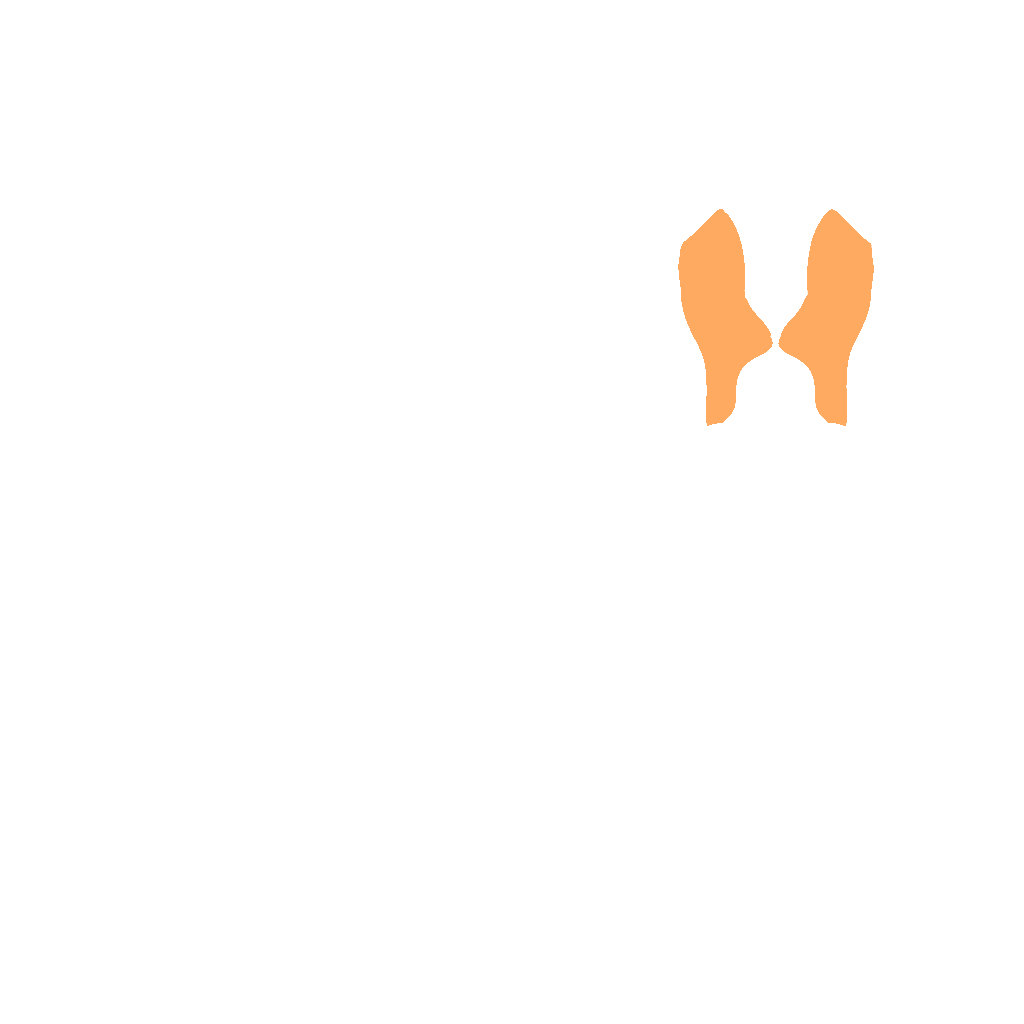




- Target
- Rectus Femoris, Vastus Lateralis, Gluteus Maximus, Deltoid Anterior
- Secondary
- Trapezius Upper, Erector Spinae, Triceps Brachii Long Head, Triceps Brachii Lateral Head, Biceps Femoris, Latissimus Dorsi
- Tertiary
- Deltoid Middle, Gastrocnemius Medial Head, Gastrocnemius Lateral Head, Upper Rectus Abdominals, Semitendinosus
How to do it
- 1
Stand over a loaded barbell with feet hip-width and grip it just outside the knees.
- 2
Power clean the bar to the front rack in one explosive pull.
- 3
Drop into a front squat and drive back up to standing.
- 4
Dip and push press the bar overhead, then lower it behind the neck onto the traps.
- 5
Perform a back squat, then push press the bar back overhead and return it to the front rack or floor.
- 6
Keep the bar moving through all five lifts, then reset and begin the next rep.
Tips
- Keep the bar close and the elbows high through the clean and front rack to save the pull.
- Use leg drive on both push presses so the shoulders are not doing strict work under fatigue.
- Start lighter than you think; the complex is limited by your weakest lift in the chain.
Variations
Common mistakes
- The bar comes down onto the traps with no plan for where it will land, and a bar dropped onto the neck is the injury this complex is known for; guide it down with the elbows onto the meat of the traps.
- From the third round on, the front rack collapses as the grip tires, the elbows drop, and the front squat turns into a good-morning with the bar rolling forward.
- Hands are still at clean width when the bar goes behind the neck, which is far too narrow for a back squat and pins the shoulders into an uncomfortable position.
- Reps get counted rather than watched: the rule is five lifts without the bar touching down, so a round where it rests on the floor mid-rep is a different, easier workout.
- Breath gets locked in for the whole rep because the bar never rests, and by the fourth round the legs are fine but your head is swimming; take air in the front rack between lifts.
Frequently asked
- How much weight and how many rounds should you start with on the bear complex?
- Own a power clean, a front squat and a push press as separate lifts before you chain them. Then start with a bar that is empty or barely loaded, around 20 to 30 kilos for most people, and do five rounds of five reps with two to three minutes of rest. One rep is all five lifts, so five reps is a long round. Add five kilos a session while all 25 reps stay clean, and end the round the moment the bar starts rolling out of the front rack.
- What can I do instead of the bear complex without a barbell?
- A pair of dumbbells or two kettlebells runs the same chain of clean, front squat and press; skip the back rack and use a second front squat in its place, which also keeps the load away from your neck. A sandbag complex of clean, squat and press works the same way with a friendlier object to hold. If you have a barbell but not a comfortable overhead position, drop the behind-the-neck step and keep the bar in front for both push presses.
- What is the bear complex for, and when is it the wrong tool?
- It is a conditioning piece for experienced lifters: continuous time under load builds work capacity, grip and shoulder endurance, and it exposes the weakest link in your lifting chain. It is the wrong tool for maximal strength, since the weight is capped by your worst lift and by fatigue, and the wrong tool for learning technique, because form degrades exactly when you are least able to notice. Skip it entirely if a bar behind the neck bothers your shoulders, and never run it heavy at the end of an already hard session.
Related exercises
Other movements among FitRay's 2,000+ exercises that load the same target muscle — same equipment and level first.