Conventional Deadlift
The deadlift trains the whole hip-hinge pattern under maximal load, driving the glutes, hamstrings, and spinal erectors together. It is the cornerstone of raw strength and carries over to nearly every athletic action. Demanding to load safely, so earn the technique before the plates.
- Equipment
- Barbell
- Type
- Strength
- Browse by muscle
- Gluteus Maximus, Biceps Femoris, Semitendinosus, Erector Spinae
- Browse by movement
- Hinge


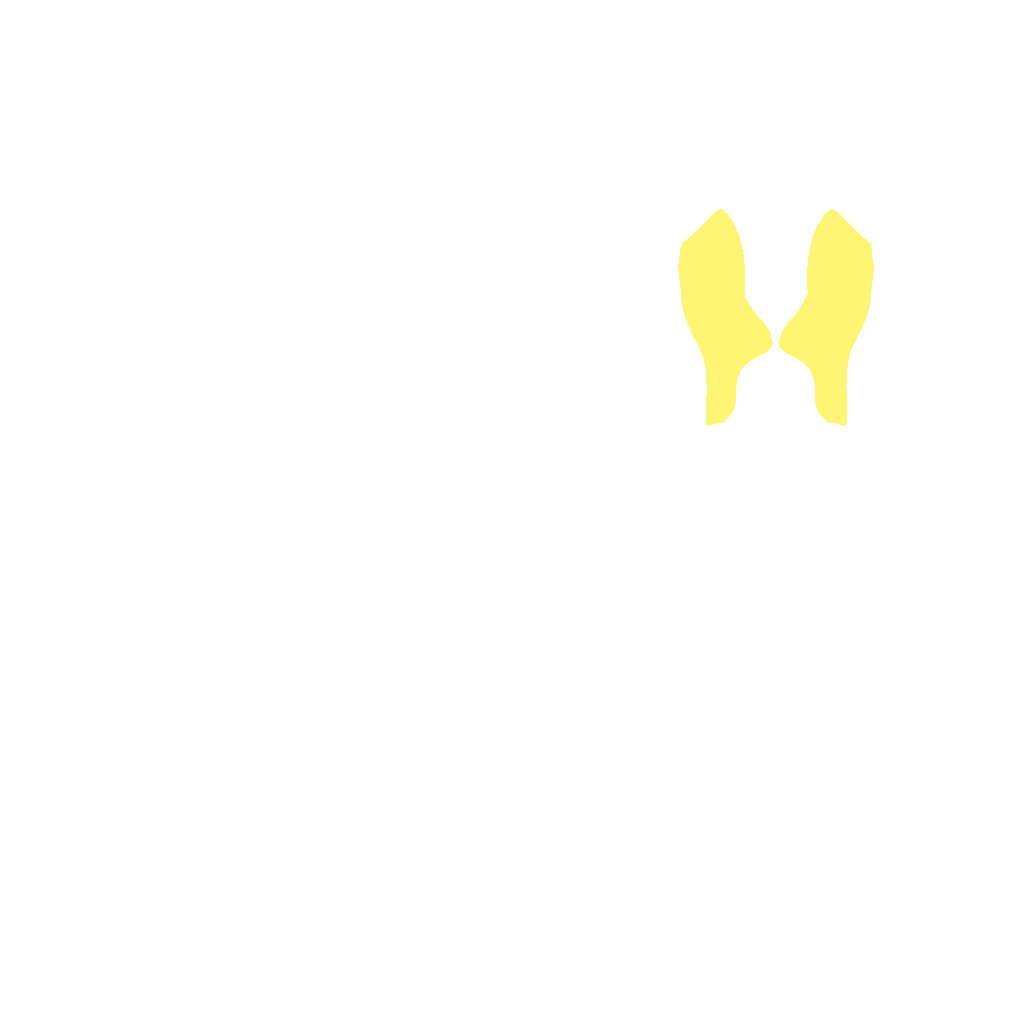










- Target
- Gluteus Maximus, Biceps Femoris, Semitendinosus, Erector Spinae
- Secondary
- Vastus Lateralis, Rectus Femoris, Trapezius Upper
- Tertiary
- Latissimus Dorsi, Adductor Magnus, Trapezius Middle
How to do it
- 1
Stand with mid-foot under the bar, shins about an inch away, feet hip-width.
- 2
Hinge and bend to grip the bar just outside your knees, arms vertical.
- 3
Set a flat back, brace your abs, and pull the slack out of the bar.
- 4
Drive the floor away with your legs while keeping the bar dragging up your shins.
- 5
Stand tall by squeezing the glutes at the top without leaning back.
- 6
Push your hips back and lower the bar along the same path under control.
Tips
- Keep the bar in contact with your legs the entire pull to shorten the lever.
- Think 'push the floor away' rather than 'pull' to engage the legs first.
- Never let the lower back round; stop the set when you lose the flat-back brace.
Variations
Common mistakes
- Yanking the bar off the floor before the slack is out means your back takes a sudden load it was not braced for; pull up until the bar clicks into the plates, then drive.
- Letting the hips shoot up while the bar stays on the floor leaves the pull to the lower back with the legs already straight; hips and shoulders should rise at the same rate.
- Setting up with the bar over your toes puts it in front of your midfoot and drags you forward from the first inch; the bar should start over the middle of the foot.
- Leaning back and hitching the bar at the top adds nothing to the lift and compresses the lower back; stand tall with the glutes squeezed and the ribs down.
- Bouncing the plates off the floor into the next rep starts each pull with a loose back; set the bar down, reset your breath and your flat back, then pull again.
Frequently asked
- How many sets and reps of deadlifts should you do when you are new to the exercise?
- Three sets of 3 to 5 reps, once a week, at a weight you could lift two or three more times. The deadlift taxes the whole body, so most people recover better from one pulling day than two. Add about 5 kg (10 lb) a week while every rep keeps a flat back, then move to smaller jumps. If you cannot reach the bar without rounding, pull from blocks or from a rack set just below the knee until your hinge improves.
- What can I do instead of a deadlift if I have no barbell?
- A dumbbell or kettlebell Romanian deadlift trains the same hinge with far less spinal load and is easier to learn. Single-leg Romanian deadlifts give each side a real challenge with a light weight. A barbell hip thrust or a loaded glute bridge covers the glute side of the lift. A trap bar, if your gym has one, keeps the load beside you and is friendlier on the lower back than a straight bar.
- What is the deadlift good for and when is it a poor choice?
- It builds the glutes, hamstrings, spinal erectors, and grip under heavier loads than any other lift, and it carries over to almost anything you pick up or sprint after. It also puts more demand on the lower back than any common lift, so a spine that rounds under a heavy bar is the injury that ends training blocks. Skip it on days when you are already worn out, leave it alone until your hinge holds up under load, and have a history of back injury looked at by a clinician before you load it heavy.
Related exercises
Other movements among FitRay's 2,000+ exercises that load the same target muscle — same equipment and level first.