Bird of Paradise Pose
Bird of Paradise is a showcase of open hamstrings, mobile hips, and steady single-leg balance. From a bound side-angle base you rise and extend the top leg upward, stretching its hamstring and inner thigh while the standing leg and outer hip hold you tall. It is an advanced pose best approached once hamstring length and balance are well established.
- Equipment
- Body Weight
- Type
- Balance, Stretching, Yoga
- Browse by muscle
- Biceps Femoris, Semitendinosus


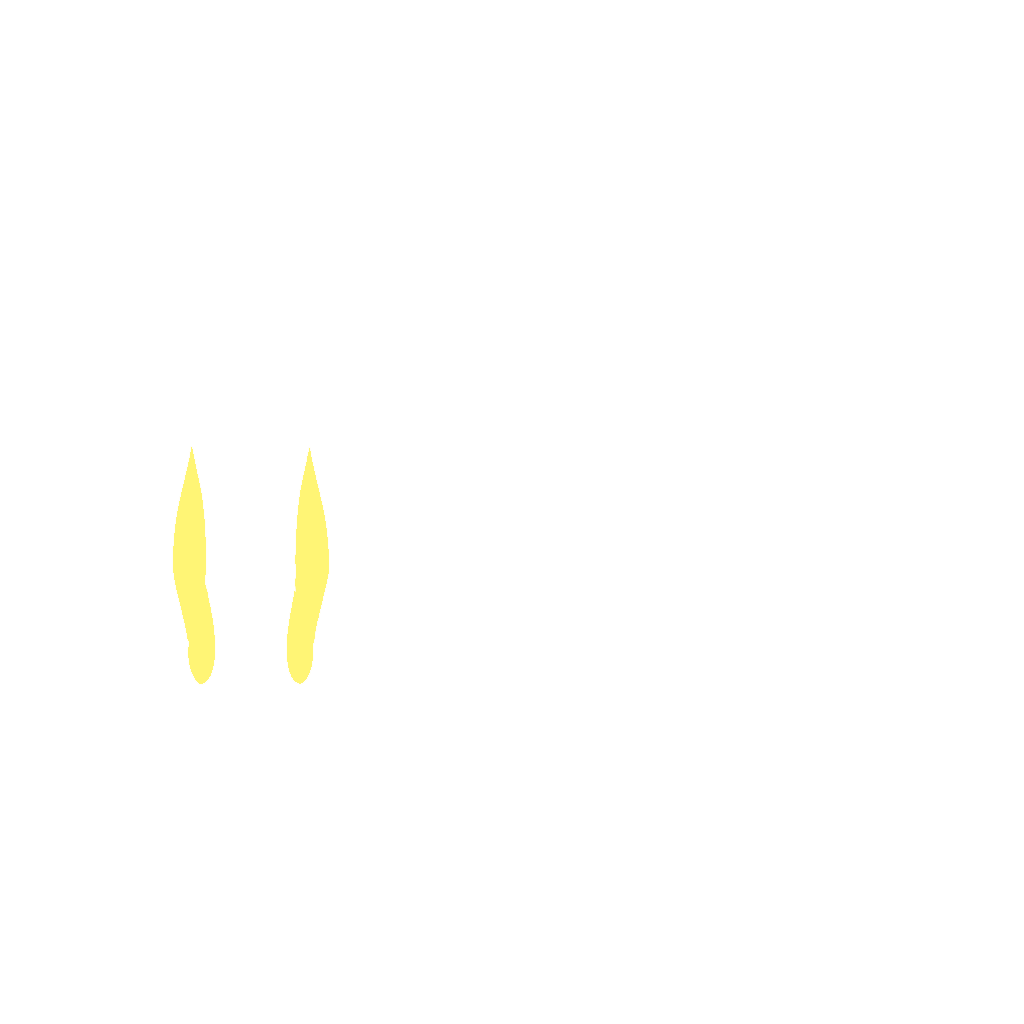

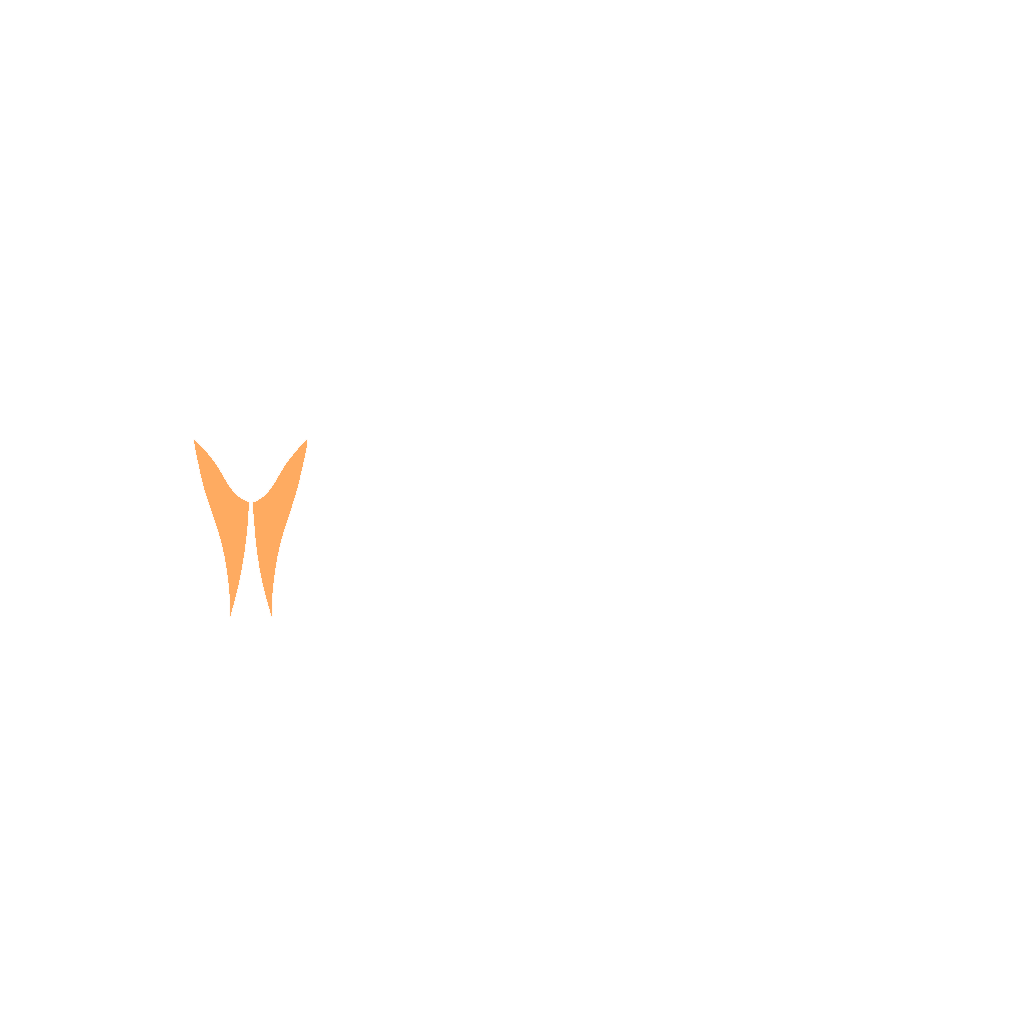
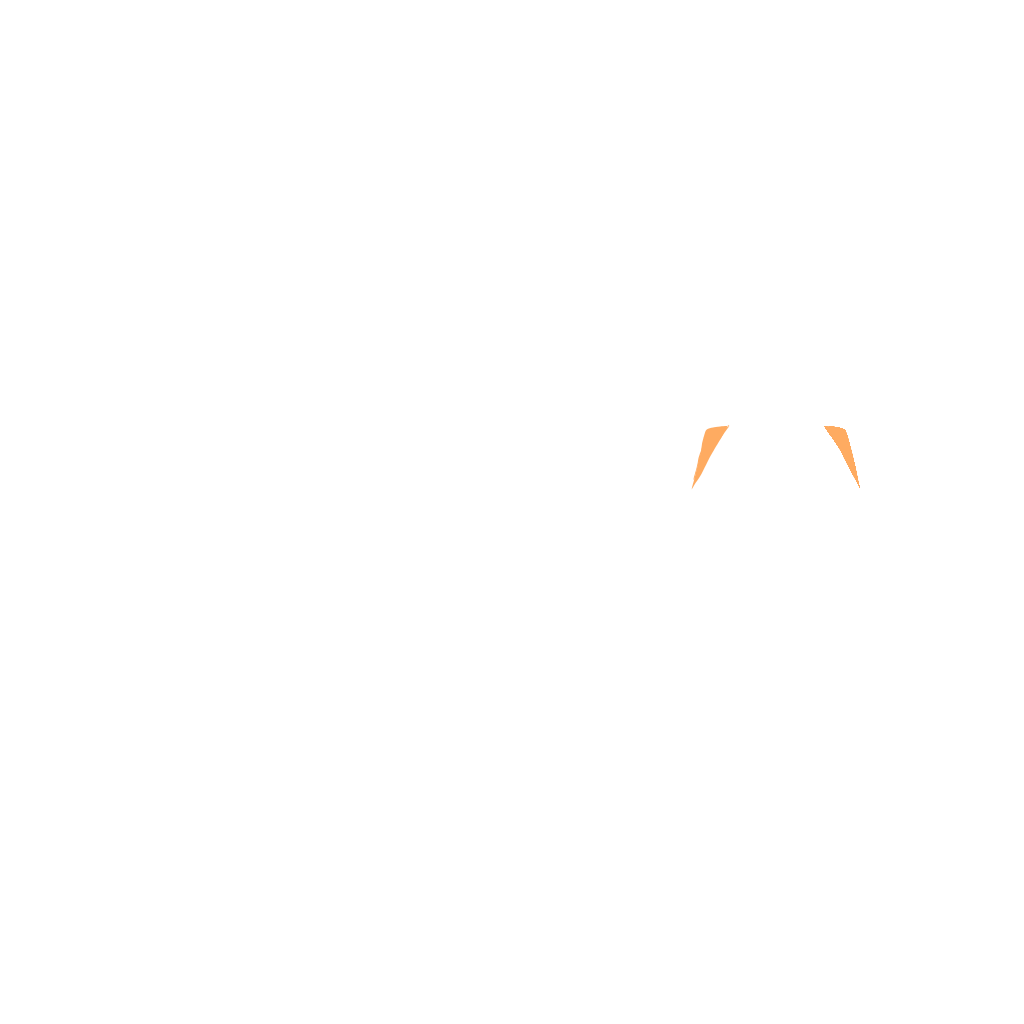


- Target
- Biceps Femoris, Semitendinosus
- Secondary
- Adductor Longus, Gluteus Medius
- Tertiary
- Rectus Femoris, Erector Spinae
How to do it
- 1
From a bound Extended Side Angle, walk the back foot in toward the front and set the feet close together.
- 2
Shift weight onto the standing leg and hug the bound leg in toward the chest.
- 3
Slowly rise to standing while keeping the bind around the lifted leg.
- 4
Once stable, extend the bound leg upward, straightening it as much as the hamstring allows.
- 5
Lengthen the spine tall, open the chest, and steady the gaze forward.
- 6
Rebend the lifted leg, lower with control, and release the bind before switching sides.
Tips
- Establish the balance on a bent lifted leg first, then straighten only as far as your hamstring allows.
- Keep the standing leg firm with a lifted kneecap so the base stays solid.
- Grow tall through the spine rather than leaning back as the leg extends.
Variations
Common mistakes
- The bind gets clamped around the thigh rather than high in the hip crease, so the arm slides down the leg the moment you stand and the whole shape unravels.
- The standing knee stays deeply bent to help you rise, leaving you in a half-squat with a leg in the air rather than standing tall over one foot.
- Rising out of the bound side angle with a lurch and a bounce is how a bound shoulder gets yanked; walk the back foot in close and come up slowly.
- Both hip points drift around to face the lifted leg, so you end up twisted rather than open; keep the chest square to the front as the leg comes up.
- The bind gets forced with the fingers barely hooked and the shoulder rolled hard forward, which is how the front of that shoulder stays sore for a week.
Frequently asked
- What is a sensible dose for Bird of Paradise, and what should I own first?
- Own a bound extended side angle held comfortably for five breaths, a standing hand-to-big-toe pose with a reasonably straight leg, and steady one-legged balance before you try it. Then two or three attempts per side, three to five breaths each, once or twice a week, late in a standing sequence when the hips and hamstrings are warm. End an attempt when the breath turns ragged. Depth comes from the lifted leg straightening over months, not from more attempts in one session.
- I cannot reach the bind in Bird of Paradise. What can I use instead?
- A strap, a belt or a rolled towel between the hands closes the gap, and you rise the same way holding it. If the bind is fine but the leg will not straighten, stand up with the knee bent and leave it bent, which is the same pose at your current range. An unbound version, holding the lifted shin with both hands, teaches the balance without asking anything of the shoulder. Practice it next to a wall so a wobble is a lean rather than a fall.
- What is Bird of Paradise good for, and who should skip it?
- It asks for hamstring and adductor length, hip mobility and single-leg balance at the same time, which makes it a capstone for an advanced standing sequence and a satisfying test of all three. Nothing in it is irreplaceable: supine hand-to-big-toe builds the hamstring length more safely, and tree or airplane build the balance. Skip it when a shoulder dislikes reaching behind the back, while a hamstring is strained, or if your balance is not yet reliable, since you come down from a bound position with one arm unavailable.
Related exercises
Other movements among FitRay's 2,000+ exercises that load the same target muscle — same equipment and level first.
- AdvancedCompass PoseBody Weight · Hamstring · Thighs
- AdvancedControl BalanceBody Weight · Glutes · Hamstring
- AdvancedHalf-Bound Lotus Seated Forward BendBody Weight · Back · Hamstring
- AdvancedIns and OutsBody Weight · Glutes · Quads
- AdvancedLeg Pull BackBody Weight · Glutes · Hamstring
- AdvancedNordic Curl Isometric HoldBody Weight · Hamstring